TRENDING

Saturday, 24 October 2026
----------------------
13 Jumada Al-Awwal 1448 AH
Recent Russian attacks in Ukraine's southern Kherson region have resulted in multiple civilian casualties, underscoring the persistent humanitarian cost and strategic contestation over annexed territories. These incidents highlight the ongoing war of attrition along critical frontlines and the reciprocal nature of cross-border hostilities.
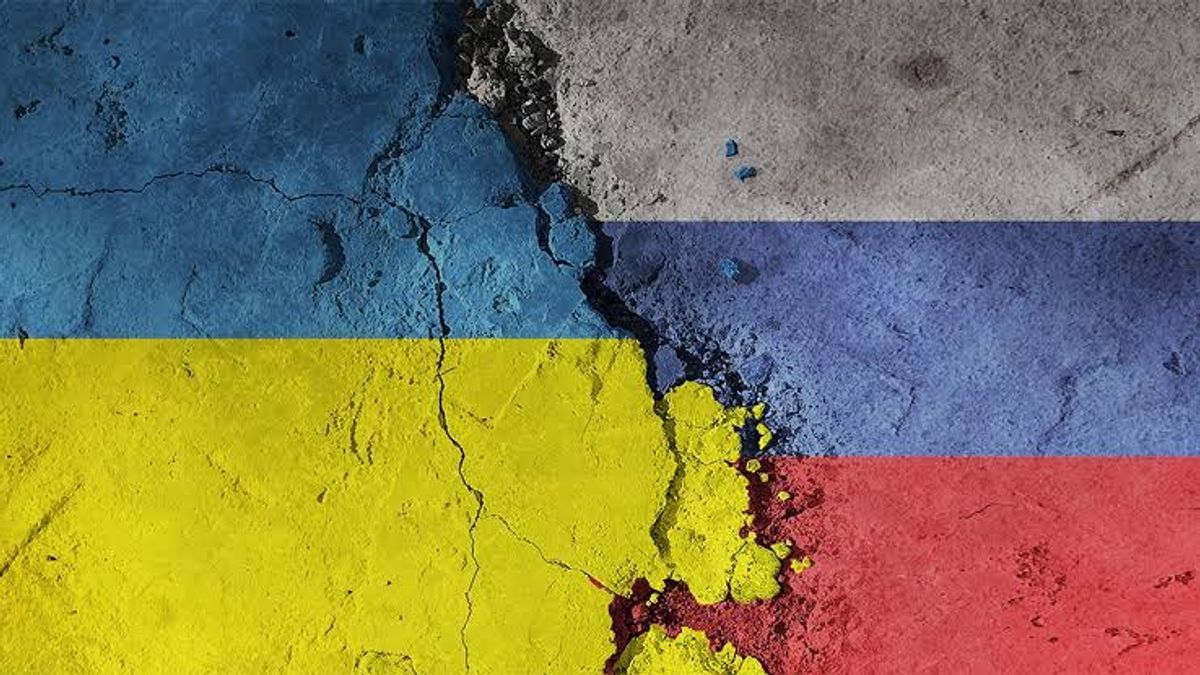
On June 5, 2026, Russian forces launched a series of attacks across Ukraine's southern Kherson region, resulting in the deaths of five civilians and injuring seven others. The regional governor, Oleksandr Prokudin, reported these incidents via Telegram, detailing three separate strikes that underscore the relentless nature of the conflict in this strategically vital area. These events not only highlight the immediate humanitarian crisis but also offer a stark reminder of the enduring geopolitical struggle for control over Ukrainian territories.
The reported attacks targeted various locations within the Kherson region. In the main city of Kherson, a district strike claimed the lives of three individuals, all in their 70s and 80s, whose bodies were discovered amidst damaged homes. This particular incident points to the indiscriminate impact of urban warfare, where civilian infrastructure and non-combatants often bear the brunt of hostilities. Further north of the city, an attack on a petrol station resulted in one fatality and seven injuries, suggesting a potential targeting of civilian services or infrastructure that could also serve logistical purposes. Concluding the day's violence, an evening drone strike in a village, also north of Kherson, killed one man. The use of drones in such attacks reflects a broader trend in modern warfare, enabling precision strikes but also contributing to the pervasive threat faced by civilians in contested zones.
While Russia consistently denies deliberately targeting civilians, the pattern of strikes on residential areas and civilian facilities frequently leads to non-combatant casualties. Such incidents raise serious concerns regarding adherence to international humanitarian law and the protection of civilians in armed conflict. The immediate consequence is a tragic loss of life and severe disruption to daily existence for residents already living under immense duress.
The Kherson region holds significant strategic importance in the broader Russia-Ukraine conflict. It was one of four Ukrainian regions that Russia unilaterally annexed in September 2022, following its full-scale invasion earlier that year. In the initial stages of the invasion, Russian forces rapidly overran much of the region, including its administrative center, Kherson city. However, a significant Ukrainian counteroffensive in late 2022 led to the liberation of Kherson city and substantial areas on the west bank of the Dnipro River. This recapture marked a major strategic victory for Ukraine, demonstrating its capacity to reclaim occupied territories and inflicting a notable setback on Russia's war aims.
Since its liberation, Ukrainian-held areas of the Kherson region, particularly those on the west bank of the Dnipro, have remained under frequent and intense Russian attack from positions on the east bank. The Dnipro River effectively serves as a dynamic frontline, with both sides engaging in artillery duels, drone attacks, and probing actions. Russia's continued pressure on Kherson reflects its desire to reassert control over a region it claims as its own and to disrupt Ukrainian military and civilian life, potentially aiming to degrade morale and infrastructure.
The attacks in Kherson are not isolated incidents but rather symptomatic of the protracted war of attrition that characterizes the current phase of the Russia-Ukraine conflict. The constant exchange of fire along contested frontlines, coupled with deeper strikes into each other's territories, underscores the entrenched nature of the hostilities. The article also notes a reciprocal Ukrainian drone strike in Russia's western Belgorod Region, which killed a driver near the border. This detail highlights the cross-border dimension of the conflict, where both nations engage in retaliatory or preemptive strikes against targets perceived as relevant to the war effort, further escalating regional tensions.
From a geopolitical perspective, the ongoing violence in Kherson reinforces the challenges to regional stability and international security. The continued targeting of civilian areas, regardless of intent, contributes to a severe humanitarian crisis, necessitating sustained international aid and attention. Furthermore, these incidents complicate any prospects for de-escalation or diplomatic resolution, as they deepen mistrust and entrench positions. The international community continues to grapple with the implications of Russia's annexation claims and its military actions, which violate international law and undermine the principle of territorial integrity.
Looking ahead, the situation in Kherson is likely to remain highly volatile. As long as the region remains a contested frontline, its civilian population will continue to face immense risks. The strategic objectives of both sides—Russia's aim to solidify its control over annexed territories and Ukraine's determination to reclaim all its land—suggest that the conflict will persist, with significant humanitarian and geopolitical consequences for the foreseeable future. The international community's response, including sanctions, military aid, and diplomatic efforts, will continue to play a crucial role in shaping the trajectory of this enduring conflict.
Source referenced: STRAITSTIMES
This brief was synthesized by our Editorial Engine and reviewed by The Ground Narrative team.


