TRENDING

Monday, 2 November 2026
----------------------
22 Jumada Al-Awwal 1448 AH
A gunmen’s assault on a church in Karak killed nine and wounded dozens, prompting King Abdullah II to vow an iron‑fisted response. The king framed the attack as part of a broader terrorism surge tied to regional instability and looming water scarcity.
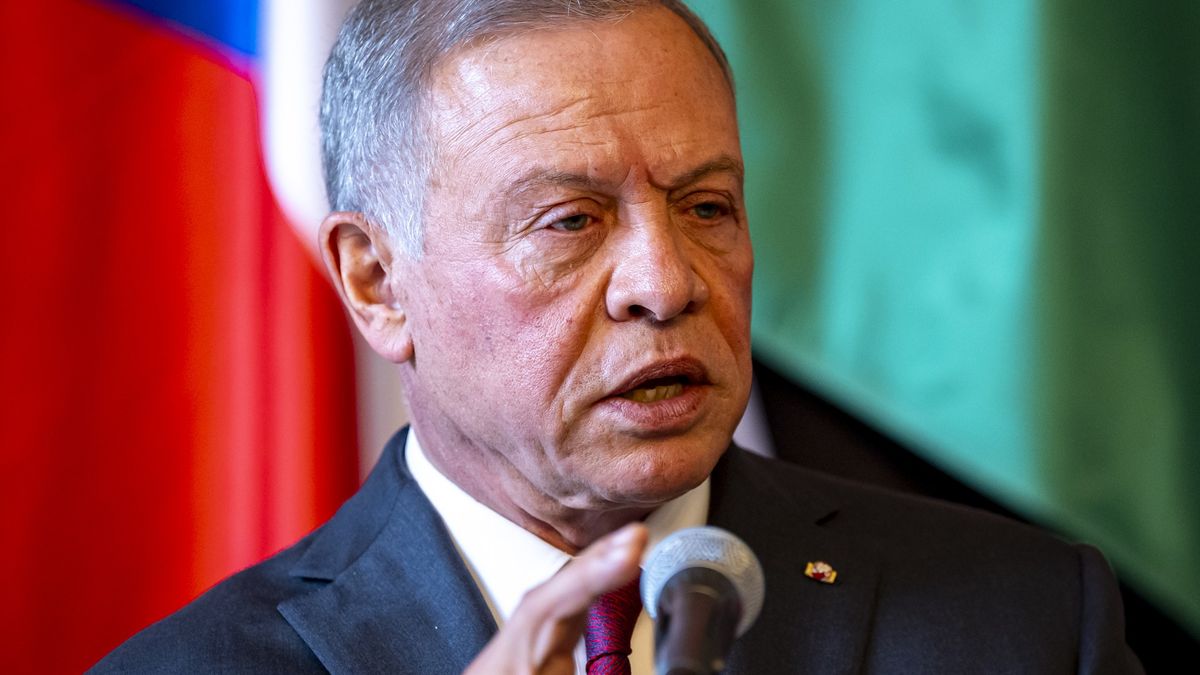
The early‑November assault on a Karak church left nine dead and dozens injured, shocking a nation that rarely sees large‑scale sectarian violence. King Abdullah II opened a new parliamentary session in Amman, called for a minute of silence, and declared that the “treacherous hand of terrorism” would be met with an iron fist.
Jordan’s political calculus rests on three intersecting pillars. First, the monarchy’s legitimacy hinges on projecting stability in a volatile neighborhood; a swift, hard‑line response reassures both domestic constituencies and external patrons. Second, Jordan’s long‑standing security partnership with the United States obliges it to demonstrate a zero‑tolerance stance toward groups that could threaten American interests in the region. Third, the king’s reference to water underscores a strategic resource competition: Israeli water projects and climate‑driven scarcity threaten Jordan’s already limited supplies, turning a domestic issue into a diplomatic lever.
The parliamentary address also served an internal power‑balancing act. By urging lawmakers to view debate as a strength, Abdullah signaled tolerance for dissent, yet he warned that any abuse of office would be punished, reinforcing the monarchy’s role as the ultimate arbiter of political survival.
Jordan’s Christian community, though small, has historically enjoyed relative safety. The Karak attack shattered that perception, leaving families grieving and congregations fearing further targeting. The loss of nine lives reverberates through churches across the kingdom, prompting a surge in attendance at memorial services and a spike in requests for security at religious sites.
Karak’s surrounding villages rely on agriculture fed by dwindling aquifers. The attack disrupted market days, delayed harvests, and heightened anxiety over water allocation, especially as the king warned that “the thirst of Jordanians” could be weaponised by external actors. For farmers, each lost hour translates into lower yields and tighter household budgets.
The incident has also intensified a narrative among disaffected youth that the state is either too weak or too repressive. While the king’s promise of an “iron fist” aims to deter extremist recruitment, it may inadvertently push some marginalised individuals toward clandestine networks that view state violence as justification.
Official statements praised Jordan’s commitment to water security, yet they omitted detailed discussion of Israeli desalination and pipeline initiatives that siphon water from shared aquifers. By framing water as a sovereign right without naming the cross‑border projects, the government sidesteps a contentious diplomatic flashpoint that could inflame public anger.
Washington’s aid packages and intelligence sharing are tied to Jordan’s ability to prevent the Gaza conflict from spilling over its borders. The king’s condemnation of “Israeli expansionism” subtly signals a willingness to criticize a key ally, but the public narrative downplays the extent of U.S. expectations for Jordan to act as a security buffer.
Authorities have labeled the perpetrators as “terrorists” without releasing concrete evidence about their affiliations. This vagueness allows the state to attribute blame to a broad spectrum of groups—whether local Salafi cells, foreign jihadist networks, or politically motivated fringe factions—while avoiding scrutiny of any possible intelligence failures.
The next parliamentary session will reveal whether new anti‑terror legislation passes, potentially expanding surveillance powers and curbing civil liberties. Watch for any bilateral talks between Jordan and Israel on water sharing, as concessions could trigger domestic backlash. Finally, monitor U.S. diplomatic cables for shifts in aid tied to Jordan’s handling of border security and refugee flows, which will indicate how external patronage shapes the kingdom’s long‑term stability strategy.
Authorities have not released a definitive claim of responsibility, but security officials suggest the assailants were linked to extremist networks seeking to destabilise Jordan’s religious minorities and provoke a heavy security response.
A hard‑line crackdown aligns Jordan with U.S. expectations for counter‑terrorism cooperation, while its public criticism of Israeli water projects could strain the peace treaty relationship, prompting delicate diplomatic negotiations.
Source referenced: ALJAZEERA
This brief was synthesized by our Editorial Engine and reviewed by The Ground Narrative team.


