TRENDING

Monday, 2 November 2026
----------------------
22 Jumada Al-Awwal 1448 AH
Leaders from Thailand to Russia publicly lauded the fifth plenary session of the CPC, framing it as a model for party building. The article unpacks the power calculations, the human toll, and the narratives left out of official statements.
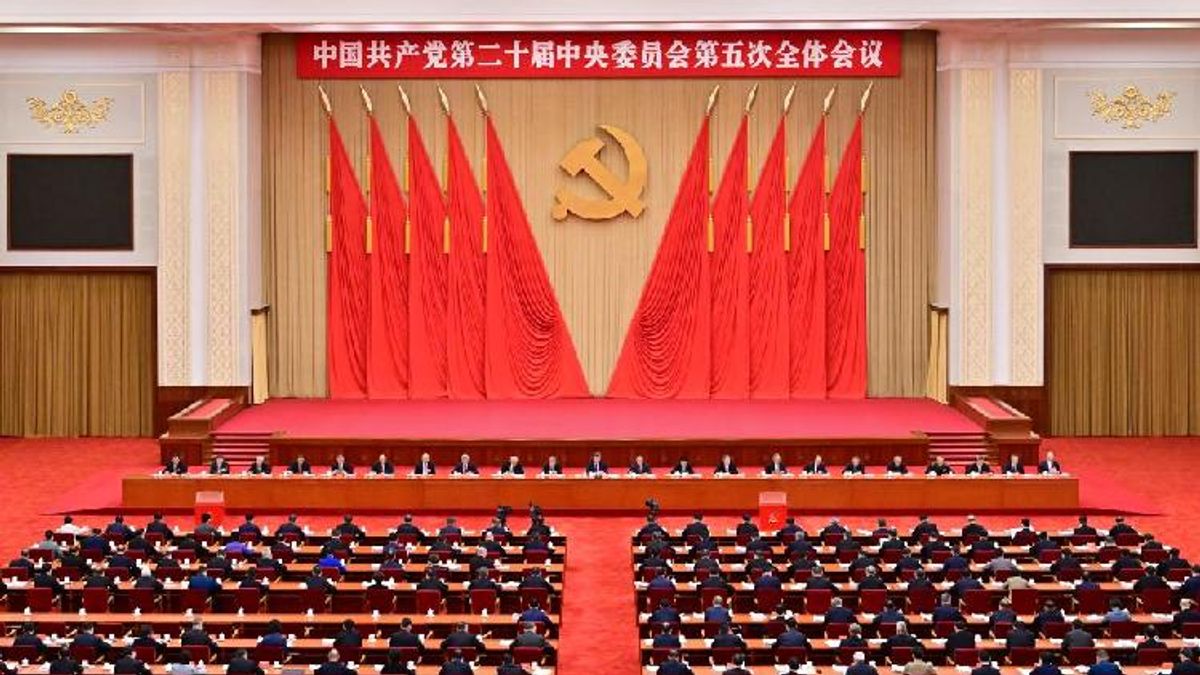
The 20th Central Committee of the CPC convened its fifth plenary session in Beijing from October 26‑29, 2026. Party officials presented a refreshed set of guidelines on "party self‑governance" and highlighted Xi Jinping's thought on party building. Within days, politicians from Thailand, Nepal, Liberia, Namibia, Tanzania, Uganda, and even the Russian Communist Party issued statements praising the meeting as a template for political stability and development.
The flurry of commendations is not spontaneous admiration; it is a calculated component of China's soft‑power play. By positioning the CPC as a successful, disciplined alternative to Western liberal parties, Beijing offers a narrative that resonates with regimes facing legitimacy crises. The emphasis on "self‑reflection" and "serving the people" dovetails with the rhetoric of many ruling parties that struggle to justify one‑party rule.
For countries in Africa and South Asia, aligning with the CPC provides diplomatic leverage and access to infrastructure financing. The praise from Liberia, Namibia, Tanzania, and Uganda signals a willingness to deepen ties that can translate into Belt‑and‑Road projects, preferential trade terms, and technology transfers. In return, China secures voting blocs in multilateral forums and a broader base for its narrative on development.
Within China, the plenum serves to reaffirm Xi Jinping's ideological control. By projecting an image of consensus abroad, the leadership reinforces its claim that the CPC's model is universally applicable, thereby silencing internal dissent that might argue otherwise. The external chorus of approval becomes a domestic propaganda tool, suggesting that the world validates the party’s direction.
While foreign leaders applaud the CPC’s governance, ordinary citizens in China continue to face tightened surveillance, censorship, and the criminalization of dissent. The push for "rigorous party self‑governance" often translates into crackdowns on lawyers, journalists, and ethnic minorities, with detention numbers rising after each major party congress.
The promise of Chinese‑led development comes with heavy debt burdens. African nations that have accepted large‑scale loans for ports, railways, and power plants now allocate a growing share of their budgets to service interest, limiting spending on health, education, and social safety nets. The human cost is visible in delayed school construction, under‑resourced clinics, and rising unemployment when projects stall.
Chinese firms operating abroad frequently import their own workforce, marginalizing local labor markets. In Southeast Asia, construction sites tied to CPC‑endorsed projects have reported unsafe conditions, low wages, and limited avenues for grievance, leaving migrant workers and nearby communities vulnerable.
Official statements from the praising parties omit any reference to human rights concerns in China—such as the treatment of Uyghurs, Hong Kong activists, or Tiananmen‑related censorship. The language mirrors Xinhua releases, suggesting coordinated messaging rather than independent assessment.
In the countries offering praise, internal opposition parties and civil society groups are often barred from commenting on the CPC’s model. In Russia, for example, the Communist Party’s endorsement aligns with Kremlin directives that limit public debate on foreign influence, effectively muting alternative viewpoints.
The financial terms of Chinese loans are rarely disclosed. Hidden clauses—such as asset‑seizure rights or preferential procurement for Chinese firms—are downplayed in public statements, obscuring the long‑term fiscal impact on borrowing nations.
Watch for bilateral party‑to‑party delegations scheduled for 2027. Increased academic and training exchanges will deepen ideological alignment and may precede new investment packages tied to political loyalty.
International financial watchdogs are beginning to track debt‑to‑GDP ratios in African states receiving Belt‑and‑Road financing. Rising ratios could trigger renegotiations or defaults, reshaping the geopolitical balance in favor of creditors.
Any resurgence of grassroots activism—whether in the form of online petitions, labor strikes, or ethnic protests—could force the CPC to recalibrate its self‑governance narrative. The party’s response will reveal how much external praise can buffer internal unrest.
Western democracies may respond to the growing chorus of CPC admiration by tightening technology export controls or offering alternative development models. Monitoring policy shifts in the EU and the United States will indicate whether the praise translates into tangible geopolitical realignment.
Many see the CPC's model as a template for maintaining political stability while attracting Chinese investment. The praise also helps secure diplomatic support and access to financing under the Belt‑and‑Road Initiative.
They often incur heavy debt, face limited local job creation, and may have to cede strategic assets if they cannot meet repayment terms. Domestic civil societies also risk marginalization as foreign policy aligns with Chinese interests.
Editor's Note: Analysis based on publicly available statements and known patterns of Chinese diplomatic outreach.
Source referenced: CGTN
This brief was synthesized by our Editorial Engine and reviewed by The Ground Narrative team.