TRENDING

Monday, 9 November 2026
----------------------
29 Jumada Al-Awwal 1448 AH
Japan's ruling Liberal Democratic Party is grappling with internal dissent after former Prime Minister Shigeru Ishiba and other lawmakers walked out on a consumption tax cut vote. The move signals a deep division over the nation's fiscal health and the government's economic priorities.
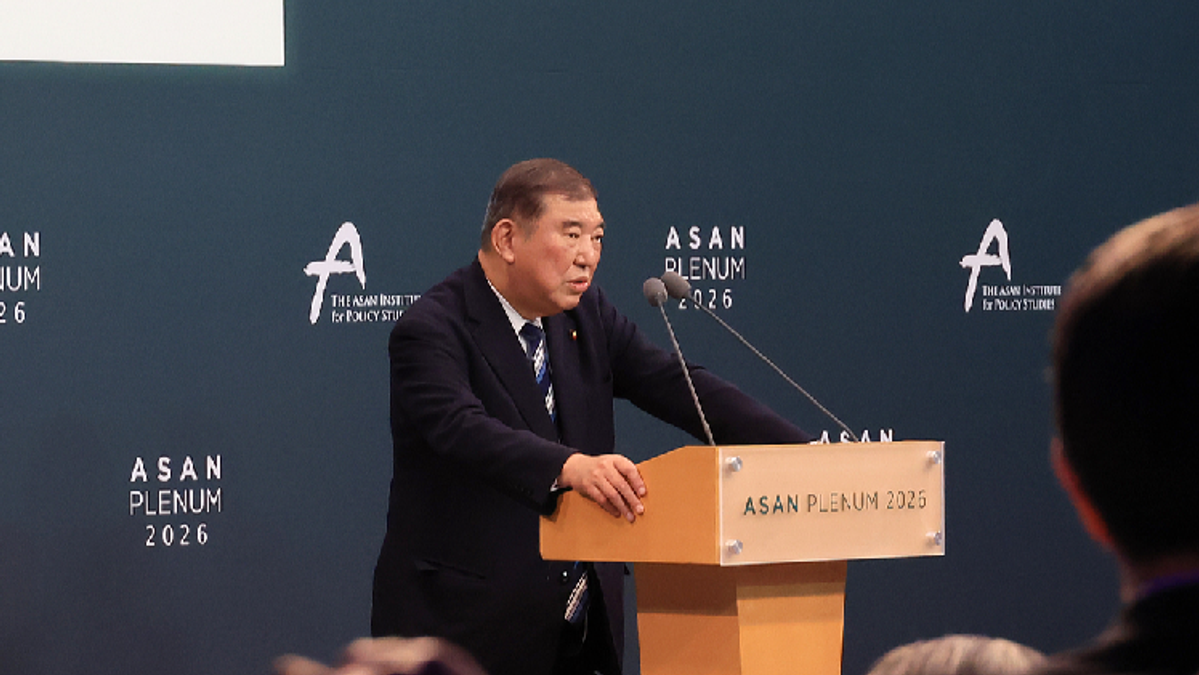
Japan's ruling Liberal Democratic Party (LDP) is currently considering disciplinary action against former Prime Minister Shigeru Ishiba and three other prominent lawmakers. Their offense stems from a highly unusual act of dissent: walking out of the House of Representatives before a crucial vote on a government-backed consumption tax cuts bill, effectively abstaining in protest. The bill, championed by Prime Minister Sanae Takaichi's government, managed to pass the lower house despite significant opposition, including from within the LDP's own ranks, primarily due to concerns over its unclear funding sources and potential negative impact on Japan's fiscal health. This rare public display of defiance by senior party members signals a deep-seated division within the typically disciplined LDP, particularly regarding a core economic policy that directly affects every citizen.
This internal LDP struggle is far more than a simple policy disagreement; it's a profound demonstration of the structural forces at play within Japanese politics. The LDP has maintained a near-hegemonic grip on power for most of the post-war era, fostering an image of internal cohesion and unwavering party loyalty. However, beneath this veneer, the party is a complex ecosystem of factions, each vying for influence and often representing distinct ideological viewpoints. Disciplinary action against a former Prime Minister, a figure of considerable stature like Shigeru Ishiba, is an extraordinary step, signaling a forceful assertion of authority by the current leadership and a clear message to potential dissidents.
Prime Minister Sanae Takaichi finds herself in a critical test of leadership. Pushing through a contentious bill, especially one that directly impacts the national budget and public finances, requires a strong, unified front. Allowing prominent dissent to go unpunished could be perceived as weakness, potentially emboldening other lawmakers to challenge her agenda, particularly as the bill moves to the House of Councillors. In the upper chamber, the ruling coalition does not hold a majority, making every vote, and every sign of internal division, critically important. Takaichi's response to Ishiba's rebellion will define her capacity to control her party's narrative and legislative priorities, setting a precedent for future internal challenges.
At the heart of this dispute is the consumption tax, a perennial political hot potato in Japan. It is a deeply sensitive issue because it directly impacts the daily lives and purchasing power of every Japanese citizen. Over decades, the consumption tax has been incrementally raised, often reluctantly, as a primary mechanism to address Japan's staggering public debt—the highest among developed nations—and to fund its increasingly strained social security system, which supports one of the world's most rapidly aging populations. Cutting this tax, while potentially popular in the short term, carries significant fiscal risks. Ishiba's explicit concerns about
The consumption tax directly impacts all citizens and is seen as a primary tool to address Japan's massive public debt and fund its aging population's social security. Any changes spark intense debate over economic fairness and fiscal stability.
Ishiba's protest is a rare public display of dissent from a senior figure within the LDP, challenging the current Prime Minister's authority and highlighting deep internal divisions over economic policy and the nation's fiscal health.
The conflict could weaken the government's ability to pass legislation, especially in the House of Councillors where the LDP lacks a majority. It also signals potential instability within the ruling party, which could impact future leadership and election outcomes.
Source referenced: CGTN
This brief was synthesized by our Editorial Engine and reviewed by The Ground Narrative team.


