TRENDING

Monday, 9 November 2026
----------------------
29 Jumada Al-Awwal 1448 AH
US Defense Secretary Pete Hegseth is facing potential impeachment by a Democratic-controlled House, becoming the public face of an unpopular war in Iran. This political battle highlights the deep public dissatisfaction with the administration's foreign policy and the high stakes of accountability.
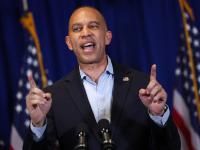
US Defense Secretary Pete Hegseth is confronting a significant political challenge, with Speaker-elect Hakeem Jeffries announcing support for a resolution to impeach him. This development follows recent midterm elections where voters across the United States, including in traditionally conservative states, expressed widespread disapproval of the current administration's foreign policy, particularly its involvement in the War in Iran. Hegseth, a controversial figure within President Donald Trump's cabinet, has been identified as the public face of this unpopular conflict, having consistently defended the administration's pledge to dismantle Iran's nuclear program and expand the US regional footprint, even as public opinion turned against the military operations. His tenure has also been marked by the purging of numerous high-ranking Pentagon officials and a series of provocative culture-war comments that critics argue are unrelated to national security.
The move to impeach Defense Secretary Hegseth is a potent demonstration of the shifting balance of power between the executive and legislative branches, heavily influenced by the raw force of public opinion. At its core, this is a political maneuver by a newly empowered Democratic House to assert accountability over an administration whose foreign policy has lost popular support. For Democrats, targeting Hegseth allows them to visibly challenge the Trump administration's war efforts without directly initiating impeachment proceedings against the President himself, a strategy that has historically proven politically beneficial for President Trump. By focusing on a cabinet secretary, Democrats can signal their seriousness about oversight and responsiveness to voter sentiment, potentially drawing bipartisan support from Republicans who might privately wish for a change in Pentagon leadership to de-escalate the War in Iran or present a more palatable exit strategy.
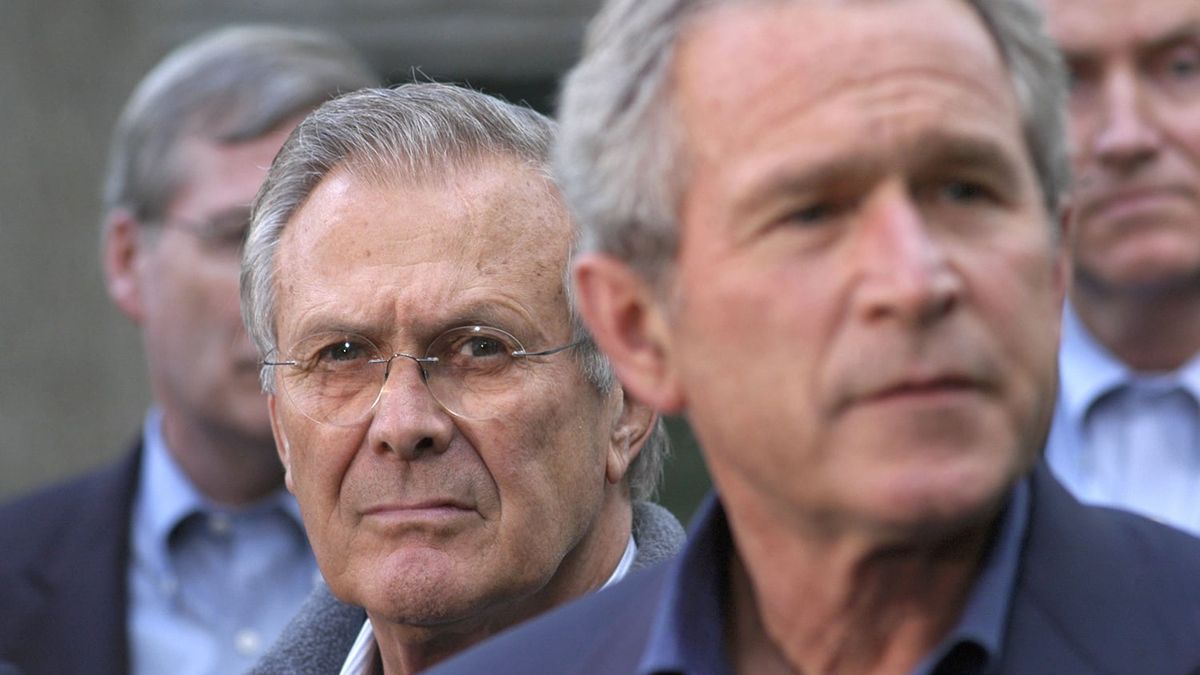
President Trump's unwavering support for Hegseth, despite the plummeting approval ratings and congressional pressure, underscores the dynamics of loyalty within the executive branch. Cabinet secretaries often serve as extensions of the President's will, and their public defense of policy, however unpopular, is a key aspect of their role. However, this loyalty also positions them as convenient political lightning rods when a policy fails to deliver or loses public favor. The historical parallel to Donald Rumsfeld's departure during the Iraq War is instructive. Rumsfeld, initially lauded for his strategic prowess, eventually became synonymous with the war's failures—the lack of post-invasion planning, the absence of weapons of mass destruction, the Abu Ghraib scandal, and the escalating sectarian violence. His eventual resignation, while initially resisted by President George W. Bush, ultimately served as a political valve, releasing pressure on the administration and signaling a potential shift in war strategy, even if only symbolically.
The
Defense Secretary Pete Hegseth is facing impeachment primarily because he has become the public face of an unpopular War in Iran. His controversial tenure, including purging Pentagon officials and making culture-war comments, combined with widespread public disapproval of the administration's foreign policy, has led to calls for his accountability from a Democratic-controlled House.
The War in Iran, as described in the intelligence, involves US military operations aimed at eliminating Iran's nuclear program and establishing a stronger US foothold in the region. The exact nature and scope of these operations are subject to political debate and public scrutiny, particularly regarding their effectiveness and human cost.
Public opinion plays a crucial role in shaping US foreign policy, especially during election cycles. Widespread disapproval of a conflict, as seen with the War in Iran, can empower Congress to challenge the executive branch, influence the fate of cabinet members, and potentially force a re-evaluation of military strategies or international engagements. Voters' sentiments can act as a powerful check on presidential power.
Editor's Note: The analysis infers details about the 'War in Iran's' direct impact on Iranian civilians and regional stability based on the general understanding of modern warfare, as the raw intelligence primarily focuses on US domestic politics.
Source referenced: FOREIGNPOLICY
This brief was synthesized by our Editorial Engine and reviewed by The Ground Narrative team.