TRENDING

Monday, 9 November 2026
----------------------
29 Jumada Al-Awwal 1448 AH
Nearly 90 million forced migrants now live in climate‑high‑risk zones, and the aid system is failing them. The UN agency warns that without a shift in financing and policy, their plight will deepen.
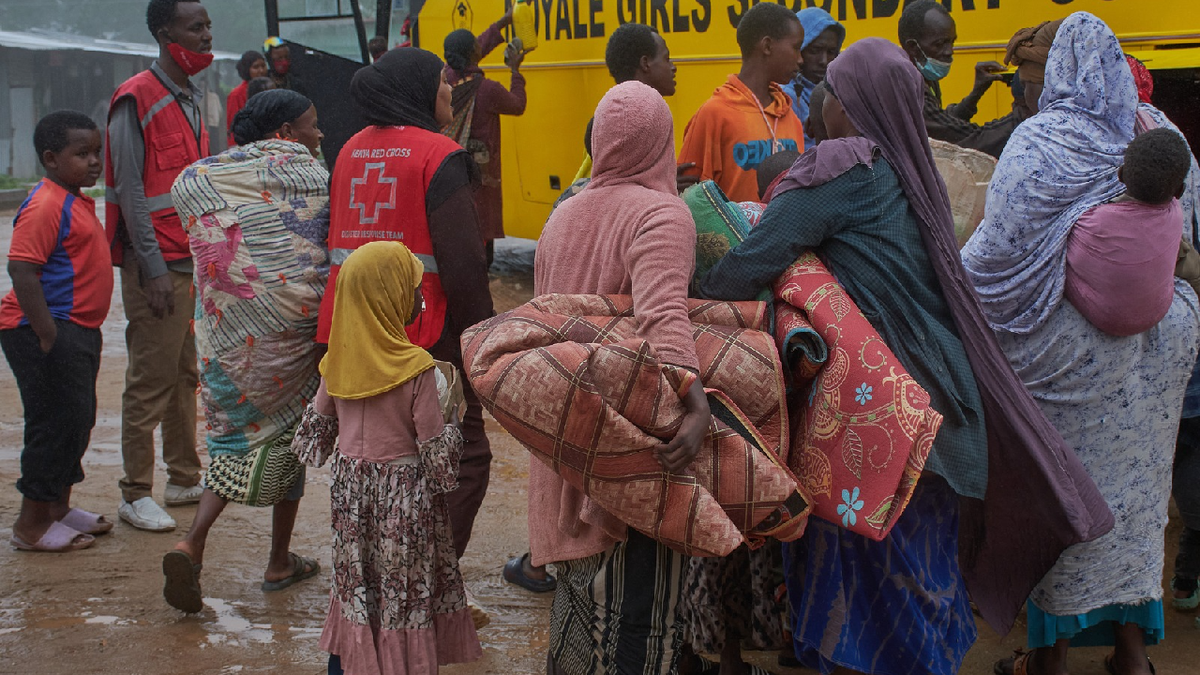
The UNHCR released a report ahead of COP31 in Antalya, Türkiye, documenting that almost 90 million forcibly displaced individuals live in countries exposed to severe climate hazards. The study, titled *No Escape III*, combines statistical analysis with eight first‑hand testimonies, showing that drought, floods, and extreme heat now shape refugee flows as much as conflict. In the first half of 2026, more than two‑thirds of returning refugees headed back to nations where climate stress is already critical, such as Syria and Ethiopia. The agency also highlighted that internal displacement from weather‑related disasters has averaged 70,000 moves per day over the past decade, with East Africa poised for up to three million new displacements by year‑end due to a strong El Niño.
- Funding gaps and political calculus – Global climate finance streams, largely controlled by wealthy donor nations, allocate less than 10 % of their total to fragile, conflict‑affected states that host the bulk of climate‑displaced populations. This reflects a risk‑averse budgeting approach: donors prioritize projects with clear, short‑term returns, while the needs of displaced communities require long‑term, location‑specific adaptation.
- Host‑country capacity constraints – Nations like Kenya, Uganda, and Ethiopia already stretch thin on health, education, and water services. Adding climate‑driven influxes forces governments to divert scarce resources from existing development plans, often triggering political backlash from local constituencies who see refugees as competitors for jobs and aid.
- Security‑development feedback loop – Climate stress can exacerbate existing tensions, turning resource scarcity into violence. In the Sahel, for example, competition over dwindling water points fuels clashes between pastoralists and settled farmers, creating new displacement cycles that feed back into the same funding shortfalls.
- International climate governance – The UN framework treats climate change as a collective problem, but the displacement dimension remains peripheral. The lack of a binding legal definition for "climate refugees" allows states to sidestep responsibility, keeping the issue within humanitarian, rather than climate, budgets.
- Corporate interests – Multinational agribusinesses and extractive firms benefit from weakened land rights in climate‑stressed regions. By supporting policies that label affected populations as temporary "displaced" rather than permanent residents, they can continue land acquisitions with minimal compensation.
Extreme heat days in sub‑Saharan settlements, such as Ethiopia’s Helaweyn camp, are projected to exceed 200 days per year by 2050. Heat‑related illnesses, dehydration, and vector‑borne diseases surge, overwhelming clinics that were never designed for such loads.
Agricultural plots in the Sahel are losing productivity as rainfall becomes erratic. Families that once relied on subsistence farming now depend on cash‑for‑work programs that pay far below market rates, deepening poverty cycles.
Children in overcrowded camps face chronic school shortages. When families are forced to move repeatedly due to flooding, continuity of education collapses, limiting future earning potential.
Women and girls shoulder the brunt of water collection and caregiving under harsher climate conditions, exposing them to gender‑based violence and limiting their participation in community decision‑making.
Repeated displacement, loss of home, and uncertainty about the future generate chronic stress and PTSD, especially among children who have never known stability.
- Donor narratives downplay systemic risk – Official statements often frame climate displacement as an "emergency" requiring short‑term aid, sidestepping the structural under‑investment in adaptation infrastructure that would prevent future crises.
- Host‑state rhetoric masks internal inequities – Governments highlight their hospitality while neglecting to disclose how climate‑related aid is siphoned into security apparatuses, reinforcing militarized border controls that restrict movement and limit access to services.
- Corporate lobbying hidden from public view – Extractive and agribusiness lobbies quietly influence climate‑finance negotiations, ensuring that funds flow to mitigation projects that safeguard their assets rather than to community‑led resilience.
- Data gaps conceal scale – The UN admits that many displaced persons are not captured in official statistics, especially those moving within informal settlements. This undercounting weakens advocacy and reduces the perceived urgency among policymakers.
- Legal vacuum on climate migration – By avoiding a formal definition, states evade obligations under international refugee law, leaving displaced people in a legal limbo where they cannot claim protection or compensation.
- COP31 outcomes – Watch for any language that explicitly integrates displaced populations into national climate‑adaptation plans, and for the allocation of a dedicated climate‑finance tranche to fragile states.
- Funding shifts – Monitor donor budgets for a rise in multiyear, location‑specific adaptation grants that target refugee-hosting regions rather than generic projects.
- Legal developments – Emerging proposals at the UN Human Rights Council to recognize "climate‑displaced persons" could reshape liability and aid flows.
- Corporate transparency – New reporting requirements on climate‑risk exposure for extractive firms may reveal how private interests intersect with displacement patterns.
- Grassroots innovation – Community‑led solutions, such as solar‑powered water pumps in the Sahel, could scale if they receive international backing, offering a model for resilient settlement design.
By tracing the interplay of finance, politics, and on‑the‑ground survival, the story of 90 million climate‑displaced people becomes a lens on how power structures decide who gets to stay, who must move, and whose lives are counted in the climate debate.
The UNHCR estimates nearly 90 million forcibly displaced individuals now live in countries highly exposed to climate hazards, making up three‑quarters of the global displaced population.
Donor nations allocate a small share of climate funds to fragile, conflict‑affected states that host most displaced people, preferring projects with quick, measurable returns and keeping climate‑displacement out of formal climate‑finance mechanisms.
Source referenced: CGTN
This brief was synthesized by our Editorial Engine and reviewed by The Ground Narrative team.


