TRENDING

Monday, 9 November 2026
----------------------
29 Jumada Al-Awwal 1448 AH
With a new Democratic majority, House leaders are pushing an impeachment resolution against Pete Hegseth and promising probes into former Trump officials. The fight pits congressional oversight against entrenched executive power, with ordinary Americans caught in the crossfire.
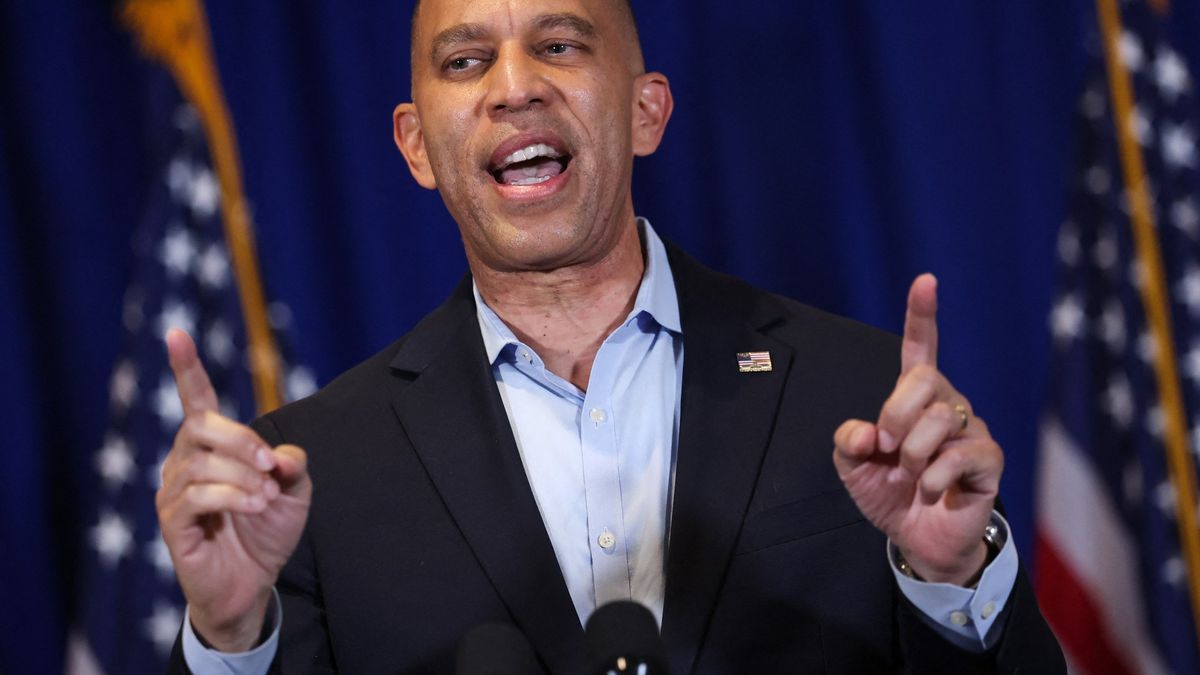
House Minority Leader Hakeem Jeffries announced a firm "hard yes" to impeaching Defense Secretary Pete Hegseth during a televised interview on *This Week*. The move follows the Democrats' sweeping victory in the November 2026 midterms, which handed them control of both chambers for the first time in decades. Within days, the party signaled a broader agenda: investigations into former Trump officials, including White House chief of staff Stephen Miller and tech magnate Elon Musk for his role in the now‑defunct Department of Government Efficiency.
The impeachment push is less about a single policy slip and more about re‑asserting legislative authority after years of a Republican‑dominated trifecta. With Democratic control of the House and Senate, the party can set the investigative agenda, issue subpoenas, and, if a simple majority votes, bring formal articles of impeachment. The Senate, however, still requires a two‑thirds vote to convict, meaning the resolution is as much a political statement as a legal maneuver.
- Congressional survival: Jeffries and other Democratic leaders face pressure to deliver on promises of accountability, especially after a historic voter turnout that emphasized anti‑corruption.
- Executive pushback: Attorney General Todd Blanche, a longtime Trump ally, has already warned of counter‑investigations, framing Democratic actions as "threatening rhetoric" that could trigger DOJ reviews.
- Party calculus: By targeting Hegseth, who is linked to the costly Iran conflict, Democrats aim to tie the Republican‑led war policy to broader narratives of waste and mismanagement, appealing to both progressive voters and war‑weary moderates.
The impeachment also serves as a signal to the Republican base that the new Congress will not shy away from confronting the previous administration's legacy. By anchoring the resolution in a specific alleged abuse of power—namely, the decision to launch a "war of choice" in Iran—Democrats create a concrete narrative that can be sold in district offices and town halls.
The war in Iran, which Hegseth helped orchestrate, has already begun to strain U.S. military families. Service members stationed in the region face extended deployments, heightened combat risk, and limited family reunification. The Department of Defense estimates that each additional month of overseas duty costs families an average of $2,300 in lost wages and childcare expenses.
- Federal workers: The earlier DOGE program, championed by Elon Musk, resulted in the loss of roughly 15,000 civilian jobs across the federal bureaucracy. Those displaced workers now contend with reduced benefits and uncertain re‑employment prospects.
- Immigrant communities: The investigation into Stephen Miller highlights policies that separate families at the border, leaving children in detention centers for months. Advocacy groups report a 27% rise in mental‑health referrals among affected minors over the past year.
- Taxpayers: The Iran operation is projected to add $12 billion to the federal deficit over the next five years, a burden that will be shouldered by ordinary Americans through higher taxes or reduced services.
These costs are rarely foregrounded in the political theater. While lawmakers trade accusations, the people who bear the brunt—soldiers, federal employees, immigrant families, and taxpayers—remain largely invisible in mainstream coverage.
Official statements from the White House and the Department of Defense emphasize national security imperatives, downplaying the fiscal and human toll of the Iran engagement. Press releases frame Hegseth's actions as "preventive" and argue that the conflict deters regional adversaries, sidestepping the question of whether diplomatic alternatives were exhausted.
Defense contractors stand to profit from any escalation. Companies like Lockheed Martin and Raytheon have already secured multi‑billion‑dollar contracts for missile systems that could be deployed in the Persian Gulf. Their lobbying arms have quietly funded think‑tanks that produce pro‑war analyses, shaping the narrative that a strong military response is inevitable.
Mainstream outlets often echo the administration's language, describing the Iran operation as a "strategic necessity" while relegating dissenting voices to op‑eds or late‑night segments. This framing marginalizes grassroots opposition and creates a perception that the conflict enjoys broad public support.
The Constitution grants the Senate the sole power to try impeachments, yet the current Democratic majority may use the House impeachment vote as a political lever, even if conviction is unlikely. This tactic can be interpreted as a way to pressure the Senate into future concessions, a nuance rarely explained in public briefings.
In the coming weeks, the House Oversight Committee, now likely to be chaired by Robert Garcia, will schedule hearings on the Iran war, DOGE layoffs, and Miller's immigration policies. Watch for:
- Subpoena battles: Whether the DOJ will honor or block congressional subpoenas will test the limits of executive privilege.
- Senate response: A Democratic Senate may choose to delay or soften any impeachment trial, using the House vote as a bargaining chip for other legislative priorities.
- Public mobilization: Grassroots groups representing veterans, federal workers, and immigrant families are organizing rallies in Washington and across the country. Their ability to sustain pressure could influence how aggressively Democrats pursue the impeachment.
Finally, keep an eye on the 2028 election cycle. The outcomes of these investigations will shape campaign narratives for both parties, potentially redefining voter expectations about accountability and the role of the military in foreign policy.
Democrats allege Hegseth abused his authority by initiating a costly, unilateral war in Iran and undermining national security, which they frame as a breach of constitutional duty.
The House can pass articles of impeachment with a simple majority, but removal requires a two‑thirds Senate vote, making conviction difficult unless the Senate aligns politically.
Source referenced: ALJAZEERA
This brief was synthesized by our Editorial Engine and reviewed by The Ground Narrative team.


