TRENDING

Sunday, 6 September 2026
----------------------
24 Rabi' Al-Awwal 1448 AH
A magnitude 6.8 earthquake struck Japan's Kumamoto prefecture, causing widespread damage, collapsing buildings, and sparking fires. The disaster highlights Japan's vulnerability to seismic activity and its impact on regional stability.
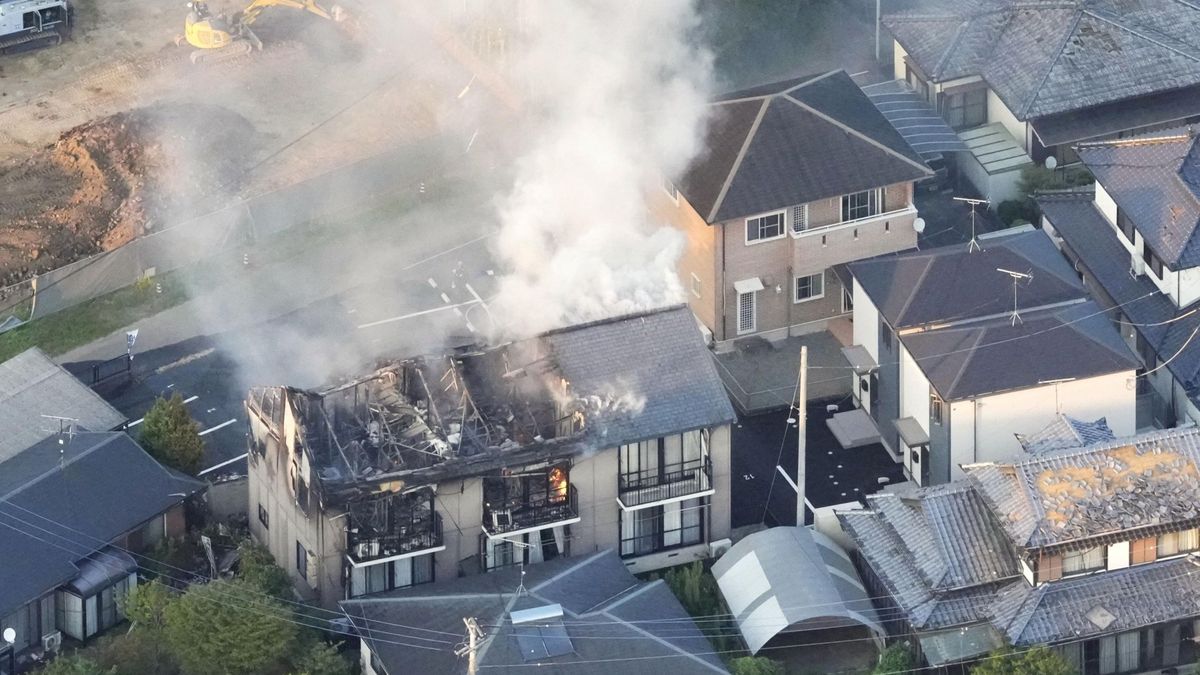
The recent magnitude 6.8 earthquake that struck Japan's Kumamoto prefecture on July 28, 2026, has left a trail of destruction and raised concerns about the country's resilience to seismic activity. The disaster has also highlighted the importance of regional stability in the face of natural disasters.
The earthquake, which was initially reported as magnitude 7.1 but later revised to 6.8 by the US Geological Survey (USGS), struck the Kumamoto prefecture on Kyushu island at 4:30 pm (07:30 GMT) on Tuesday. The epicentre was near the coastal city of Uto, about 48km (30 miles) southwest of Kumamoto City. The earthquake caused widespread damage, collapsing buildings, sparking fires, and cutting power to thousands of homes.
Japan's vulnerability to seismic activity is well-documented, and the country experiences thousands of earthquakes every year. The Pacific Ring of Fire, where several major tectonic plates meet, makes Japan a hotspot for seismic activity. The country's strict building codes and regular earthquake drills have helped reduce casualties, but powerful earthquakes can still cause widespread destruction.
The Kumamoto earthquake has significant regional implications, particularly in the context of Japan's relations with its neighbors. The disaster has highlighted the importance of regional stability and cooperation in the face of natural disasters. Japan's proximity to the Pacific Ring of Fire and its history of devastating earthquakes make it a critical player in regional disaster response and mitigation efforts.
The Kumamoto earthquake has also raised concerns about the long-term consequences of seismic activity in the region. The disaster has highlighted the need for improved disaster preparedness and response measures, as well as the importance of investing in infrastructure that can withstand seismic activity.
The Kumamoto earthquake is a stark reminder of Japan's vulnerability to seismic activity and the importance of regional stability in the face of natural disasters. As the country continues to rebuild and recover, it is essential to prioritize disaster preparedness and response measures, as well as invest in infrastructure that can withstand seismic activity. The international community must also recognize the importance of regional cooperation and support in the face of natural disasters.
Source referenced: ALJAZEERA
This brief was synthesized by our Editorial Engine and reviewed by The Ground Narrative team.


