TRENDING

Tuesday, 27 October 2026
----------------------
16 Jumada Al-Awwal 1448 AH
A 7.1-magnitude earthquake struck southern Japan, causing widespread destruction, injuries, and fears of trapped people in a stricken shopping mall. The disaster highlights Japan's vulnerability to seismic activity and its implications for regional stability.
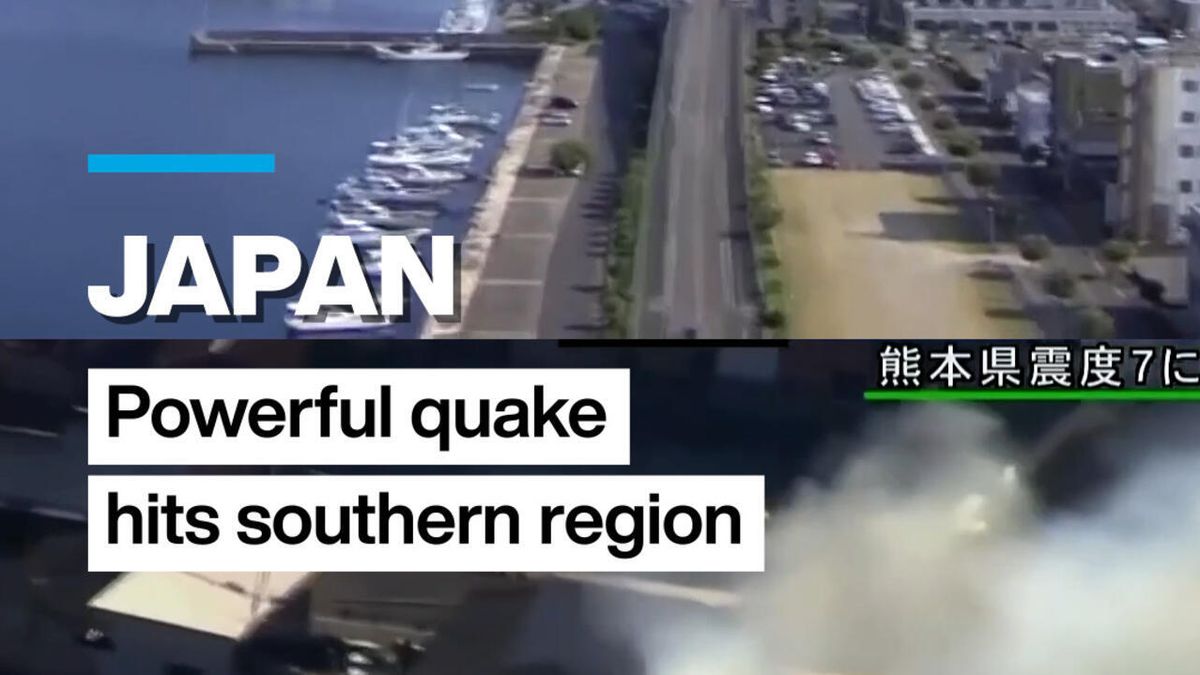
On July 28, 2026, a 7.1-magnitude earthquake struck southern Japan, leaving a trail of destruction and chaos in its wake. The quake, which occurred at 17:35 local time, toppled buildings, sparked fires, and reportedly injured over 100 people. The most pressing concern, however, is the fear of many people being trapped in a stricken shopping mall.
Japan is a seismically active country, located on the Pacific Ring of Fire, where several tectonic plates converge. This makes the country prone to earthquakes, tsunamis, and volcanic eruptions. The Japanese government has invested heavily in disaster preparedness and mitigation measures, including early warning systems and evacuation drills. However, the recent earthquake serves as a reminder of the country's vulnerability to seismic activity.
The earthquake's impact extends beyond Japan's borders, as it has implications for regional stability. Japan's proximity to major shipping lanes and its strategic location in East Asia make it a critical player in regional geopolitics. The country's ability to respond to natural disasters and maintain economic stability will be closely watched by its neighbors and global powers.
The Japanese government's response to the earthquake will be closely monitored, particularly in terms of its ability to provide aid to affected areas and maintain public order. The disaster may also prompt a review of Japan's disaster preparedness measures and its investment in infrastructure resilience.
In the long term, the earthquake may have significant consequences for Japan's economy and regional influence. The country's ability to recover from the disaster and maintain its economic stability will be crucial in maintaining its position as a major player in East Asia.
The 7.1-magnitude earthquake that struck southern Japan on July 28, 2026, serves as a reminder of the country's vulnerability to seismic activity and its implications for regional stability. The disaster highlights the need for Japan to continue investing in disaster preparedness and mitigation measures, as well as its ability to respond to natural disasters and maintain economic stability. The earthquake's impact will be closely watched by its neighbors and global powers, and its consequences will be felt for years to come.
Editor's Note: The analysis is based on available information and may be subject to revision as more data becomes available.
Source referenced: FRANCE24
This brief was synthesized by our Editorial Engine and reviewed by The Ground Narrative team.