TRENDING

Monday, 26 October 2026
----------------------
15 Jumada Al-Awwal 1448 AH
A powerful 7.1-magnitude earthquake has caused significant damage and multiple fatalities in Japan's Kumamoto region, underscoring the nation's persistent seismic vulnerability and its advanced disaster response mechanisms. The incident prompts a review of infrastructure resilience and the broader implications for a key global economy.
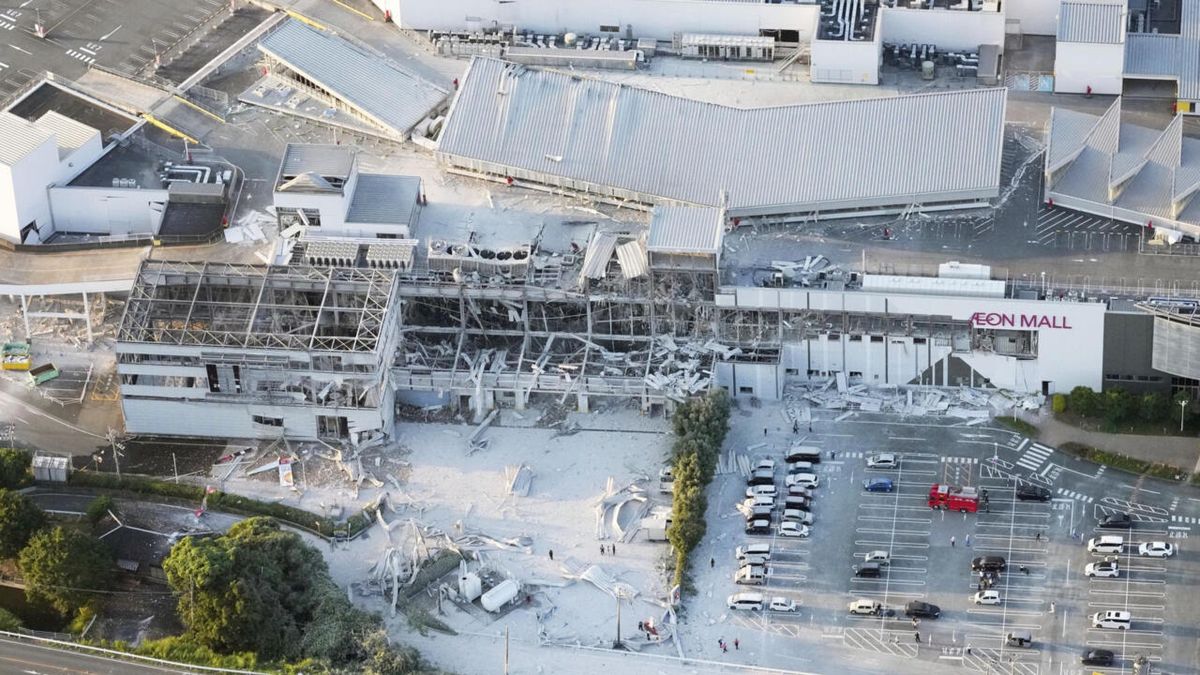
On Tuesday, July 28, 2026, a powerful earthquake, registering a preliminary magnitude of 7.1, struck southwestern Japan. The tremor originated at a shallow depth of 10 kilometers (6 miles) below the sea surface, off the coast of Japan's southern main island of Kyushu. The impact was particularly severe in the Kumamoto region, specifically in Kashima town, where a significant floor collapse occurred at the Aeon shopping mall. Local broadcasters reported a "considerable number" of fatalities and many individuals trapped within the damaged structure. Emergency services confirmed numerous injuries, with at least 50 people hospitalized, and several houses collapsing across the affected area.
Following the earthquake, the Japan Meteorological Agency (JMA) issued a tsunami advisory, though the US Pacific Tsunami Warning Center quickly assessed no risk beyond local coasts, and the alert was subsequently lifted. Critical infrastructure, including the Sendai and Genkai nuclear power stations operated by Kyushu Electric Power, reported no irregularities, a crucial detail for public safety and energy security. However, train operator JR Kyushu suspended services, including its high-speed Shinkansen lines, to ensure safety and allow for infrastructure checks.
Japan's geographical location along the Pacific "Ring of Fire" makes it one of the world's most seismically active countries, experiencing approximately 20% of global earthquakes with a magnitude of 6.0 or higher. This inherent vulnerability necessitates a robust and continuously evolving disaster preparedness and response framework, which Japan has cultivated over decades. The swift assessment of nuclear facilities and the organized suspension of high-speed rail services demonstrate the nation's advanced protocols designed to mitigate widespread catastrophe and maintain public order.
The immediate economic impact, while localized to the Kumamoto region, includes significant property damage, business disruption, and the costs associated with emergency response and reconstruction. For a global economic powerhouse like Japan, even regional disruptions can have ripple effects, particularly on supply chains for high-tech components and automotive parts, though the full extent of such an impact remains to be assessed. The resilience of Japan's infrastructure and its capacity for rapid recovery are critical factors in minimizing long-term economic consequences and maintaining investor confidence.
This recent earthquake in Kumamoto carries a poignant historical resonance, as the region was devastated by a deadly quake in 2016. That event resulted in over 50 fatalities, 1,800 injuries, and tens of thousands of homes damaged or destroyed. The recurring nature of such disasters in the same region highlights the ongoing challenges of building and maintaining infrastructure capable of withstanding extreme seismic activity. Lessons learned from the 2016 event have undoubtedly informed current building codes, emergency response training, and public awareness campaigns, contributing to the nation's overall resilience.
The absence of reported issues at nuclear power plants is particularly significant, given the profound impact of the 2011 Tohoku earthquake and tsunami, which triggered the Fukushima Daiichi nuclear disaster. Japan's subsequent enhancements in nuclear safety regulations and emergency protocols are continually tested by these natural events, and their successful performance is vital for public trust and the future of its energy policy. The nation's ability to manage these recurrent natural threats without broader systemic collapse serves as a critical case study for other earthquake-prone regions globally, demonstrating the importance of sustained investment in scientific research, engineering, and public safety infrastructure.
The 7.1-magnitude earthquake in southwestern Japan is a stark reminder of the country's constant battle against natural forces. While tragic in its immediate human cost and localized destruction, the incident also underscores Japan's formidable capacity for disaster preparedness, rapid response, and infrastructure resilience. The quick assessment of critical facilities, the organized emergency response, and the lessons drawn from past events collectively contribute to a national strategy aimed at minimizing the broader geopolitical and economic fallout of such powerful seismic events. As recovery efforts commence, the focus will remain on supporting affected communities and reinforcing the nation's commitment to building a more resilient future against the inevitable forces of nature.
Source referenced: FRANCE24
This brief was synthesized by our Editorial Engine and reviewed by The Ground Narrative team.


