TRENDING

Sunday, 25 October 2026
----------------------
14 Jumada Al-Awwal 1448 AH
As Israel's latest war on Lebanon marks 100 days, the conflict has resulted in thousands of casualties, widespread destruction, and a deepening humanitarian crisis. The war's strategic implications and future consequences are far-reaching, with regional and global powers entangled in the conflict.
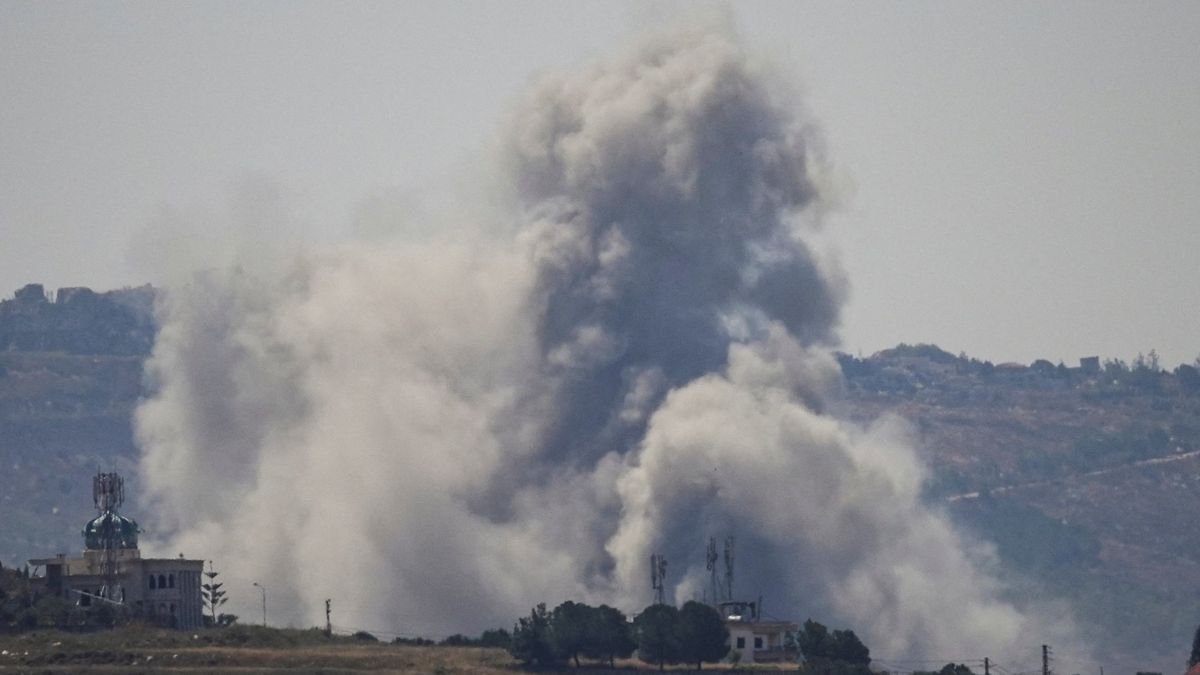
Israel's latest war on Lebanon has entered its 100th day, with the conflict showing no signs of abating. The war has resulted in thousands of casualties, widespread destruction, and a deepening humanitarian crisis. The conflict's strategic implications and future consequences are far-reaching, with regional and global powers entangled in the conflict.
The current conflict is the latest installment in a long-standing dispute between Israel and Lebanon. The two countries have been at odds since the 1970s, with Israel's occupation of southern Lebanon in 1982 being a major flashpoint. The 2000 withdrawal of Israeli troops from Lebanon marked a temporary ceasefire, but tensions have continued to simmer.
Hezbollah, a Shia Islamist group backed by Iran, has been a key player in the conflict. The group has been accused of launching rocket attacks on Israel, while Israel has responded with airstrikes and ground incursions. Hezbollah's leader, Hassan Nasrallah, has vowed to continue fighting against Israel, despite the risks to civilians.
The conflict has had a devastating impact on Lebanon, with thousands of civilians killed or injured. The country's infrastructure has been severely damaged, with many homes and businesses destroyed. The humanitarian crisis is deepening, with many Lebanese struggling to access basic necessities like food and water.
The conflict has significant regional implications, with Iran and the United States playing key roles. Iran has pledged to support Hezbollah, while the US has called for a ceasefire and the disarmament of the group. The conflict has also drawn in other regional players, including Saudi Arabia and Egypt.
The conflict's future consequences are uncertain, but several scenarios are possible. One possibility is a prolonged conflict, with both sides dug in and unwilling to compromise. Another possibility is a negotiated ceasefire, with both sides agreeing to a temporary truce. A third possibility is a wider regional conflict, with the conflict spilling over into other countries.
Israel's ongoing war on Lebanon is a complex and multifaceted conflict, with deep historical and regional roots. The conflict's future consequences are uncertain, but several scenarios are possible. The humanitarian crisis in Lebanon is deepening, and a negotiated ceasefire is the only way to bring an end to the suffering.
Source referenced: ALJAZEERA
This brief was synthesized by our Editorial Engine and reviewed by The Ground Narrative team.