TRENDING

Friday, 16 October 2026
----------------------
5 Jumada Al-Awwal 1448 AH
Despite US backing for a ceasefire, Israel's political establishment is reportedly eager to restart hostilities with Iran, but its options may be limited due to US reluctance and Iran's deterrence strategy.
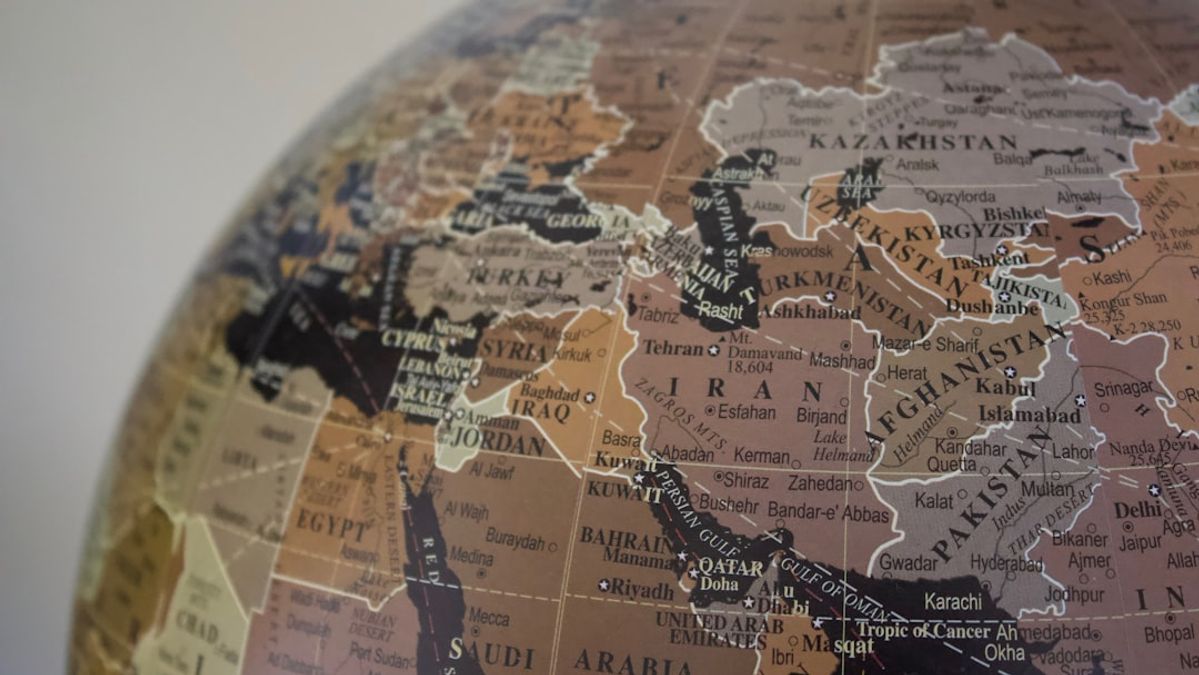
Israel's political establishment is reportedly itching for war with Iran, despite the US backing away from threats to resume bombing Iran if it does not agree to a peace deal. However, Israel's options may be limited due to US reluctance and Iran's deterrence strategy.
Israel's fixation on Iran dates back to the 1979 Islamic Revolution, which led to the country's nuclear program. The 2005 withdrawal from Gaza and the 2015 nuclear deal with Iran further fueled Israel's concerns. The US withdrawal from the deal in 2018 and the subsequent reimposition of sanctions created an environment conducive to conflict.
The war on Iran has had significant regional implications. The closure of the Strait of Hormuz, a critical waterway for global oil trade, has thrown global markets into turmoil. Iran's strikes on its neighbors have also raised concerns about regional stability.
Israeli Prime Minister Benjamin Netanyahu's motivations for restarting the war are multifaceted. Firstly, he seeks to distance himself from the security failures of the Hamas-led attack on southern Israel in October 2023. Secondly, he aims to achieve a strategic victory to boost his popularity ahead of the upcoming election. Lastly, he wants to demonstrate his ability to lead the country in a time of crisis.
Despite broad political support for a renewed war with Iran, there are still limits to what Netanyahu can do. The US has made it clear that it will not support Israeli military action without a clear strategy and a plan to minimize civilian casualties. Iran's deterrence strategy, which includes striking regional states and closing the Strait of Hormuz, has also dented the US's appetite for renewing a costly and perhaps unremitting war against Tehran.
The consequences of a renewed war with Iran will be far-reaching. The closure of the Strait of Hormuz will continue to disrupt global oil trade, leading to economic instability. Iran's strikes on its neighbors will also raise concerns about regional stability. Furthermore, the war will likely lead to a significant increase in civilian casualties, which will further erode public support for Netanyahu's government.
Israel's war drive is a complex issue with far-reaching implications. While Netanyahu's motivations are clear, his options are limited due to US reluctance and Iran's deterrence strategy. The consequences of a renewed war with Iran will be severe, and it is essential to explore alternative solutions to address the region's security concerns.
Source referenced: ALJAZEERA
This brief was synthesized by our Editorial Engine and reviewed by The Ground Narrative team.