TRENDING

Monday, 5 October 2026
----------------------
24 Rabi' Al-Thani 1448 AH
Israeli Prime Minister Benjamin Netanyahu's vow to maintain a military presence in Lebanon has sparked concerns about the stability of the US-Iran Memorandum of Understanding (MoU). As tensions rise, analysts weigh in on the strategic implications of Israel's stance and its potential impact on the fragile peace deal.
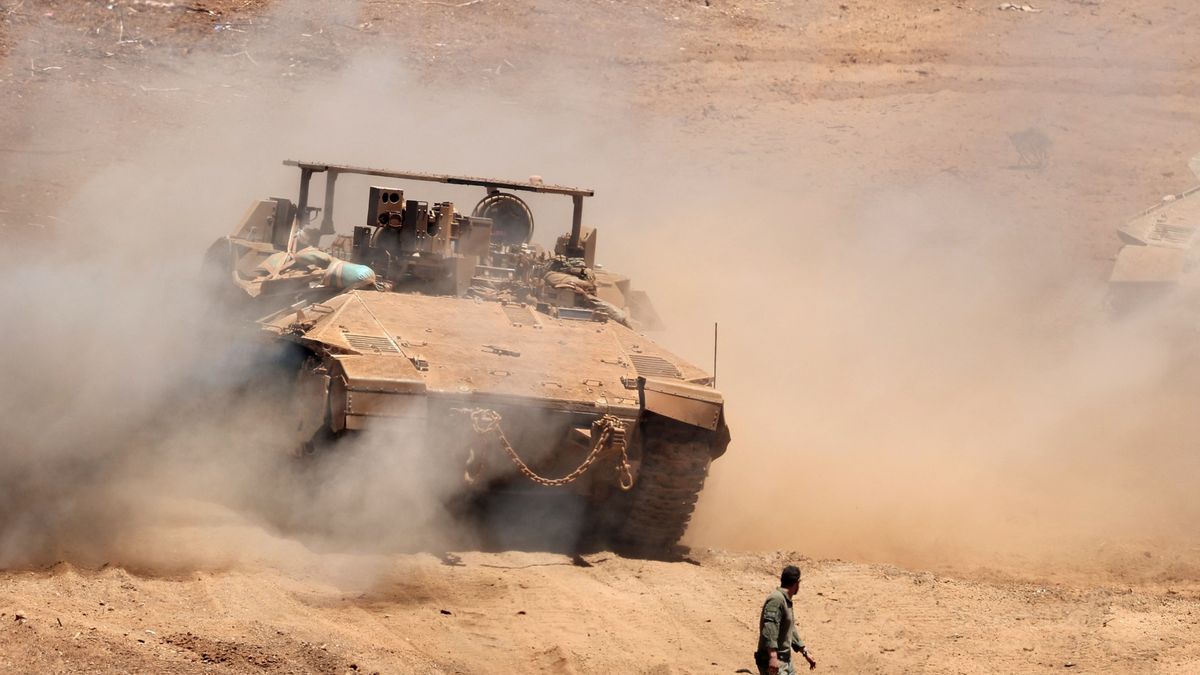
Israeli Prime Minister Benjamin Netanyahu's recent declaration that his country's military will not leave Lebanon as long as Hezbollah remains a threat has sent shockwaves through the region. This stance is at odds with the first clause of the US-Iran Memorandum of Understanding (MoU), which calls for an immediate and permanent halt to fighting on all fronts, including in Lebanon.
Behind Netanyahu's combative language is an embattled prime minister managing a difficult balancing act. Domestic politics has made Netanyahu reluctant to be seen as backing down from the war with Hezbollah, which began firing rockets into northern Israel soon after the first US-Israeli strikes on Tehran on February 28. A hasty withdrawal from Lebanon could look like capitulation – and worse, an implicit admission that he only fell into line because of pressure from US President Donald Trump.
Tehran has explicitly stated that Israel must fully withdraw from all occupied Lebanese territories before it will entertain signing any sort of peace deal with the US. This reflects Iran's deep commitment to Hezbollah's survival, which has proven itself a vital strategic partner over the years. The ties between Hezbollah's leadership and the Iranian regime run deeper than pure strategy, reaching into socio-cultural and even family bonds.
Hezbollah is a major issue for Iran, particularly the Islamic Revolutionary Guard Corps (IRGC), and it has shown this by its willingness to strike northern Israel and block the Strait of Hormuz over the issue before. The armed group also remains a very valuable asset for security leverage across the region, even after being hit hard, degrading its capabilities.
Israel's refusal to back down on the disarmament and removal of Hezbollah could trigger further conflict and make it difficult to implement the deal. Without Hezbollah's buy-in, the agreement will be hard to implement, and could lead to a wave of attacks, including on international peacekeepers and the US embassy.
The US has much riding on the outcome, and the balance of leverage between the two sides is tilted more towards Iran than before. If Washington and Tehran can make progress on the bilateral nuclear talks in the coming weeks, the US is likely to show more flexibility on the Lebanon issue as a result. However, avoiding a return to escalation with Iran matters more than pressing hard on Lebanon – meaning the US doesn't want Hezbollah 'under complete pressure' either.
The current situation is unlikely to derail the MoU altogether, but it could slow a permanent deal with Washington unless there's added pressure on Israel to at least appear to be withdrawing. Iran holding on to the Lebanon issue 'as much as it could' was reportedly a sticking point that delayed the MoU in the first place. Still, without Hezbollah's buy-in, the deal will be difficult to implement, and could trigger further conflict.
Israel's Lebanon stance is a strategic gamble that could have far-reaching consequences for the US-Iran MoU. As tensions rise, analysts weigh in on the delicate balance between Israel's hardline stance and the fragile peace deal. The outcome will depend on the ability of the parties to navigate the complex web of interests and leverage at play in the region.
Editor's Note: While the outcome is uncertain, it is clear that Israel's stance has significant implications for the US-Iran MoU and the stability of the region.
Source referenced: ALJAZEERA
This brief was synthesized by our Editorial Engine and reviewed by The Ground Narrative team.


