TRENDING

Sunday, 25 October 2026
----------------------
14 Jumada Al-Awwal 1448 AH
The Gulf states' response to Iranian strikes has been marked by arrests, denials, and missing images, raising concerns about freedom of expression and the impact of the conflict on regional stability.
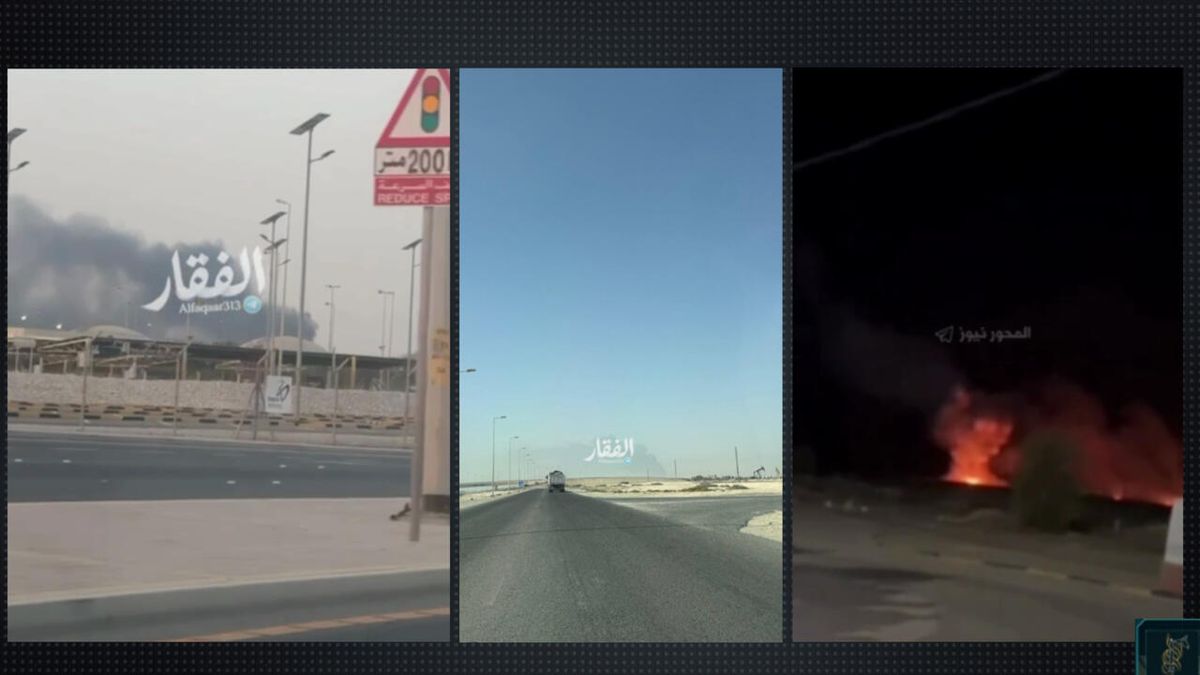
The ongoing conflict between Iran and the United States has led to a series of Iranian strikes on US military sites in allied states across the Persian Gulf region. While these strikes have been documented through rare and fleeting videos, the Gulf states have responded with a severe crackdown on freedom of expression, resulting in the arrest of over 1,000 people.
The Gulf states, including Bahrain, Kuwait, the UAE, Qatar, and Jordan, have imposed blanket bans on documenting Iranian attacks, instructing citizens and residents not to film or share images of the strikes. This has led to a severe crackdown on freedom of expression, with many people facing arrest, detention, and even stripping of citizenship.
According to Amnesty International, more than 1,000 people have been arrested across these US-allied states, with many facing prison terms ranging from three to 10 years for sharing a photograph or video on Instagram. The Gulf states have also used the war as a pretext to expand restrictions on freedom of expression that were already in place before the conflict.
The motivations behind the crackdown on freedom of expression are complex and multifaceted. One reason is to counter the argument that the presence of US military bases in these countries is a consequence of the attacks. By concealing the impact of the attacks, the Gulf states aim to protect their image as safe havens and destinations for foreign investment and tourism.
Another reason is to maintain control over the narrative and prevent the spread of information that could undermine their authority. The Gulf states have a history of suppressing dissent and opposition, and the current conflict has provided them with an opportunity to further restrict freedom of expression.
The crackdown on freedom of expression has significant regional implications. It undermines the ability of media and researchers to document the attacks, making it difficult to hold the Gulf states accountable for their actions. It also creates a culture of fear and self-censorship, where people are reluctant to speak out against the government or share information that could be perceived as critical.
Furthermore, the crackdown on freedom of expression is part of a broader trend of authoritarianism in the region. The Gulf states have a history of suppressing dissent and opposition, and the current conflict has provided them with an opportunity to further restrict freedom of expression.
The Gulf states' response to Iranian strikes has been marked by arrests, denials, and missing images, raising concerns about freedom of expression and the impact of the conflict on regional stability. The motivations behind the crackdown on freedom of expression are complex and multifaceted, driven by a desire to maintain control over the narrative and protect their image as safe havens.
The regional implications of the crackdown on freedom of expression are significant, undermining the ability of media and researchers to document the attacks and creating a culture of fear and self-censorship. As the conflict continues, it is essential to monitor the situation closely and hold the Gulf states accountable for their actions.
Editor's Note: The analysis is based on publicly available information and may not reflect the full complexity of the situation.
Source referenced: FRANCE24
This brief was synthesized by our Editorial Engine and reviewed by The Ground Narrative team.


