TRENDING

Monday, 5 October 2026
----------------------
24 Rabi' Al-Thani 1448 AH
Iran is set to hold a massive three-day funeral for Supreme Leader Ayatollah Ali Khamenei, who was killed in US-Israeli strikes, amidst warnings from Tehran against any further attacks.
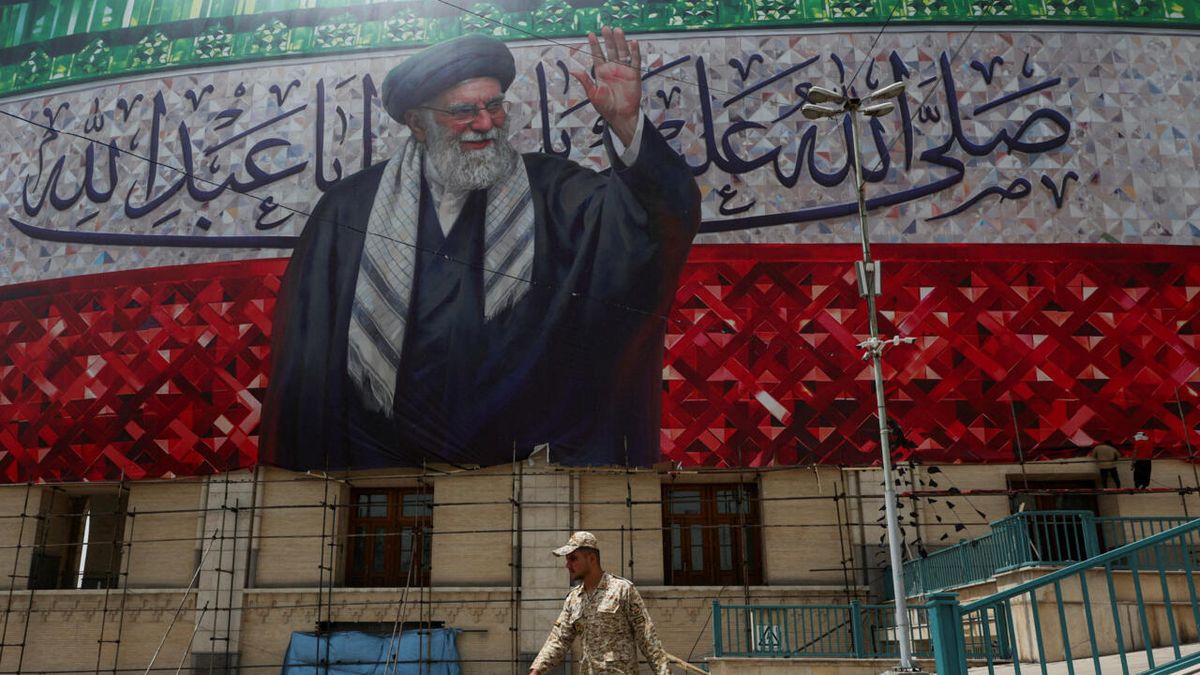
The death of Supreme Leader Ayatollah Ali Khamenei, killed in US-Israeli strikes on the first day of the war, marks a significant turning point in Iran's history. As the country prepares for a historic three-day funeral, Tehran has warned the United States and Israel against any further attacks, underscoring the deepening tensions between the three nations.
The funeral, expected to draw between 15 and 20 million mourners, will be held at the Grand Mosalla complex in Tehran. The massive turnout is a testament to Khamenei's enduring legacy as a spiritual figure for many Shias and a symbol of Iran's resistance against Western powers. The ceremony will also feature the presentation of the bodies of Khamenei's slain relatives, further emphasizing the sense of national unity and outrage.
The funeral comes as Iran and the United States observe a fragile ceasefire, following the signing of a preliminary deal to halt the conflict. However, the ceasefire remains precarious, and the risk of further escalation remains high. The presence of foreign dignitaries, including Pakistan's Prime Minister Shehbaz Sharif and representatives from China, Afghanistan, and the Caucasus region, underscores the international significance of the event.
Tehran's chief negotiator, Mohammad Bagher Ghalibaf, has called for a massive turnout at the funeral as a way to avenge Khamenei's death and demonstrate Iran's resolve to resist Western aggression. The funeral also serves as an opportunity for Iran to showcase its regional influence and secure the support of key allies. The presence of foreign dignitaries and the expected massive turnout will send a powerful message to the international community about Iran's determination to protect its interests.
Ayatollah Ali Khamenei's legacy is complex and multifaceted, reflecting both his role as a spiritual leader and his involvement in Iran's politics. As the country prepares to say goodbye to its supreme leader, it must also confront the challenges of the future. The funeral will be a critical moment in Iran's history, marking a turning point in the country's relations with the West and its regional influence.
The funeral of Supreme Leader Ayatollah Ali Khamenei is a significant event in Iran's history, reflecting the country's deepening tensions with the United States and Israel. As Tehran prepares to say goodbye to its supreme leader, it must also navigate the complex web of regional and international relations. The funeral will be a critical moment in Iran's history, marking a turning point in the country's relations with the West and its regional influence.
Source referenced: FRANCE24
This brief was synthesized by our Editorial Engine and reviewed by The Ground Narrative team.