TRENDING

Wednesday, 21 October 2026
----------------------
10 Jumada Al-Awwal 1448 AH
Iran threatens a total regional oil blockade in response to US warnings of strikes, escalating tensions in the Middle East and impacting global energy markets.
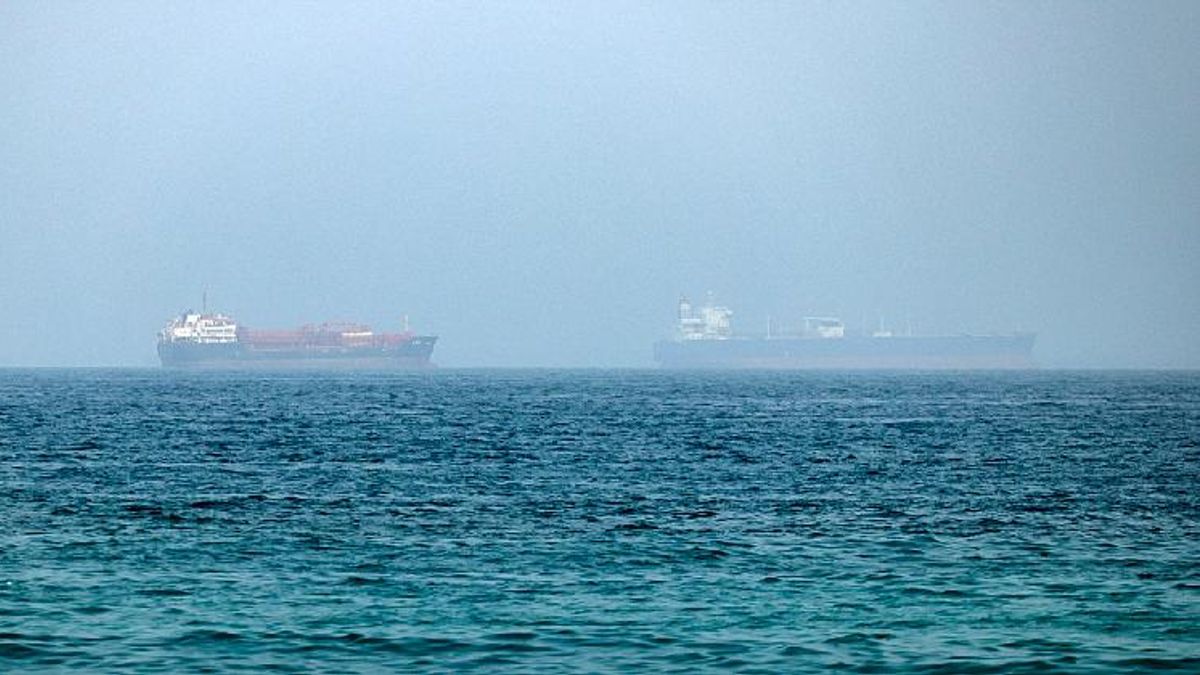
The ongoing conflict between Iran and the United States has taken a dramatic turn, with Iran threatening a total regional oil blockade in response to US warnings of strikes. This development has significant implications for the global energy market, regional stability, and the future of the Middle East.
The current tensions between Iran and the US began in February, with the US launching airstrikes against Iranian targets. Since then, the conflict has escalated, with both sides suffering casualties. The US has launched 12 consecutive nights of strikes against Iran, while Iranian forces have tightened their grip on the Strait of Hormuz and the Bab al-Mandab Strait, leaving commercial vessels without guarantees of safe passage.
Iran's main military command, Khatam al-Anbiya Central Headquarters, has warned that if the US attacks Iranian infrastructure, Iran will block all oil exports from West Asia and target oil, gas, electricity, and economic infrastructure across the region. This threat is not new, as Iran has repeatedly stated that it will not allow the US to dictate its security and economic policies. The current threat is a response to US President Donald Trump's renewed warning of "bombing" Iran's bridges and power plants.
The potential oil blockade has significant implications for the region. The Strait of Hormuz is a critical waterway, through which approximately 20% of the world's oil exports pass. A blockade would disrupt global energy supplies, leading to increased oil prices and economic instability. The Bab al-Mandab Strait, another critical waterway, is also at risk, with traffic declining sharply in recent days.
The potential oil blockade has already had an impact on the global energy market. Oil prices have hit $95 per barrel, climbing to a six-week high. This increase in oil prices will have far-reaching consequences for the global economy, particularly for countries that rely heavily on imported oil.
The current conflict has the potential to escalate into a full-blown war, with significant consequences for regional stability and global energy markets. The US and Iran are locked in a cycle of escalation, with each side refusing to back down. The international community must intervene to prevent a catastrophic conflict that would have far-reaching consequences for the world.
The threat of an oil blockade by Iran is a serious development that has significant implications for the global energy market, regional stability, and the future of the Middle East. The international community must work to prevent a catastrophic conflict that would have far-reaching consequences for the world.
Editor's Note: The analysis is based on publicly available information and may not reflect the full complexity of the situation.
Source referenced: CGTN
This brief was synthesized by our Editorial Engine and reviewed by The Ground Narrative team.