TRENDING

Saturday, 24 October 2026
----------------------
13 Jumada Al-Awwal 1448 AH
Iran's missile strike on Israel marks a significant escalation in the Middle East conflict, complicating mediation efforts and raising concerns about the stability of the region.
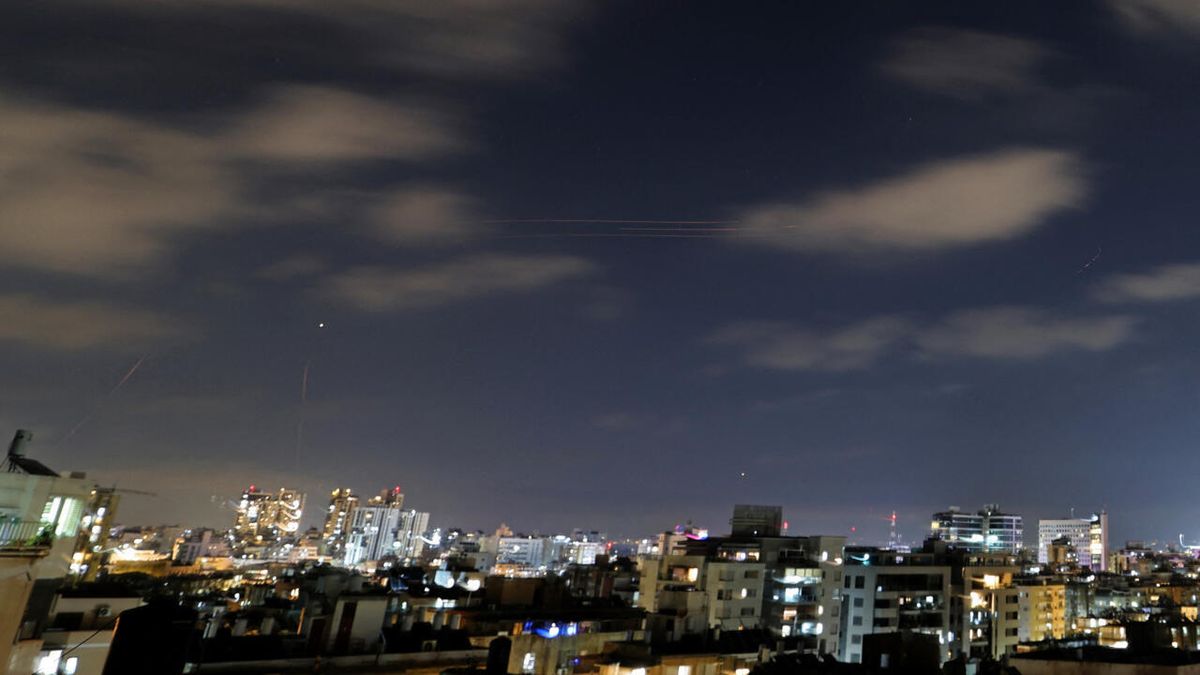
The recent missile strike by Iran on Israel marks a significant escalation in the Middle East conflict, further complicating mediation efforts to end the war. The attack, which was in retaliation for Israeli strikes in Beirut's southern suburbs, has raised concerns about the stability of the region and the potential for further conflict.
The conflict between Iran and Israel has been ongoing for decades, with both countries having a long history of tensions and clashes. The current conflict began in early April, when Israel launched a series of strikes against Iranian targets in Syria, leading to a fragile ceasefire. However, the recent missile strike by Iran has marked a significant escalation in the conflict, with both sides engaging in a cycle of retaliation and counter-retaliation.
Iran's strategic motivations for launching the missile strike are complex and multifaceted. On one hand, the attack was a response to Israeli strikes in Beirut's southern suburbs, which killed two people and wounded 20. On the other hand, the attack was also a demonstration of Iran's military capabilities and a warning to Israel and its allies that it will not be intimidated.
The missile strike by Iran has significant regional implications, with the potential to destabilize the entire Middle East. The conflict between Iran and Israel has already drawn in other regional players, including Lebanon, Syria, and Turkey. The recent attack has raised concerns about the potential for further conflict and the stability of the region.
The future consequences of the missile strike by Iran are uncertain, but they are likely to be significant. The conflict between Iran and Israel is likely to continue, with both sides engaging in a cycle of retaliation and counter-retaliation. The potential for further conflict and the stability of the region are major concerns, and the international community will need to work to find a solution to the conflict.
The missile strike by Iran on Israel marks a significant escalation in the Middle East conflict, further complicating mediation efforts to end the war. The attack was a response to Israeli strikes in Beirut's southern suburbs, but it was also a demonstration of Iran's military capabilities and a warning to Israel and its allies that it will not be intimidated. The conflict between Iran and Israel is likely to continue, with both sides engaging in a cycle of retaliation and counter-retaliation. The potential for further conflict and the stability of the region are major concerns, and the international community will need to work to find a solution to the conflict.
Editor's Note: While the analysis is based on available information, there are some uncertainties and complexities that are not fully understood.
Source referenced: FRANCE24
This brief was synthesized by our Editorial Engine and reviewed by The Ground Narrative team.