TRENDING

Monday, 5 October 2026
----------------------
24 Rabi' Al-Thani 1448 AH
A recent ceasefire between Iran and the U.S. is under severe strain following renewed military clashes and attacks in the Strait of Hormuz. Meanwhile, Iran's economy faces a dire crisis, exacerbated by sanctions, war damage, and internal mismanagement, fueling public discontent and political divisions over the path to recovery.
The recent memorandum of understanding between Iran and the United States, intended to establish a ceasefire, faces severe tests amidst renewed military hostilities. Just three weeks after its signing, the truce has been jeopardized by a series of incidents, including attacks on three tankers in the Strait of Hormuz and subsequent retaliatory actions. The U.S. military launched significant air attacks on Iran’s southern provinces, prompting the Islamic Revolutionary Guard Corps (IRGC) and Iran’s regular army to respond with missile and drone strikes on U.S. interests in Bahrain and Kuwait. Both nations have accused each other of violating the terms of the agreement, highlighting the deep mistrust and inherent instability that persist despite diplomatic efforts. These escalations occur as mediated negotiations to formally end the war are expected to resume next week, following the funeral of Iran’s Supreme Leader Ayatollah Ali Khamenei, underscoring the complex interplay between military actions, diplomatic overtures, and internal political transitions.
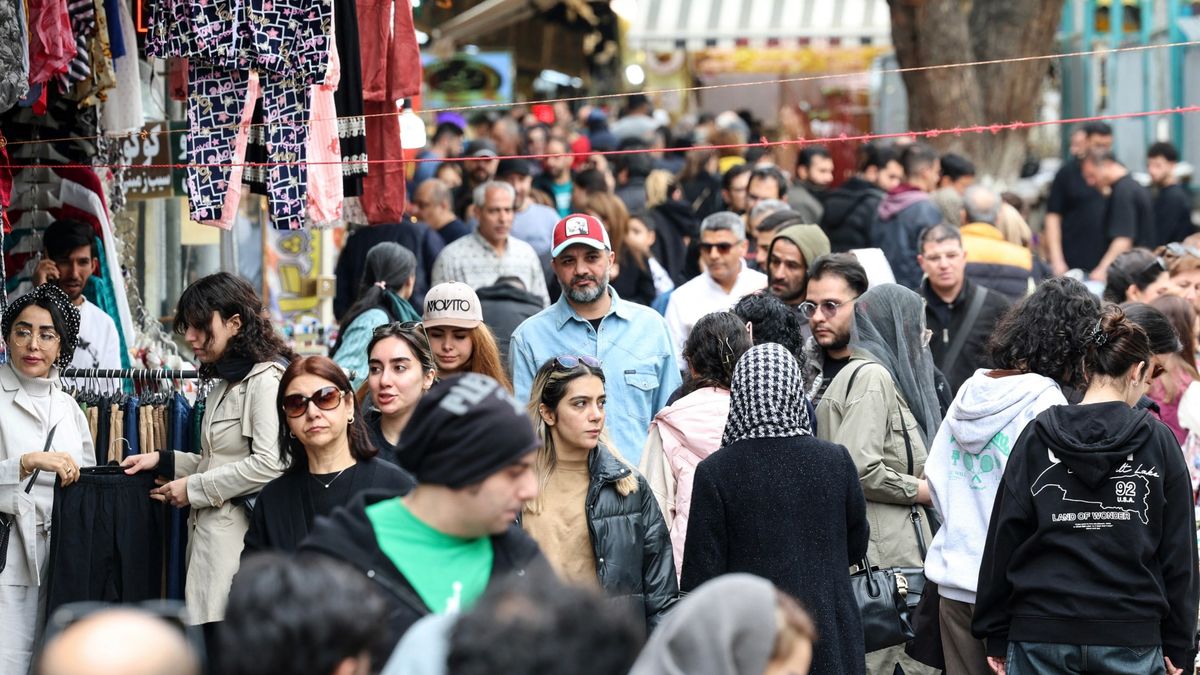
Beneath the surface of military and diplomatic tensions, Iran's economy is grappling with a profound crisis, the severity of which poses significant challenges to both its domestic stability and its international posture. Years of stringent Western and United Nations sanctions, coupled with local mismanagement and corruption, have severely strained the nation's financial health. The situation has been further exacerbated by the damage sustained from two recent wars with the U.S. and Israel, deadly nationwide protests in January, and extensive internet shutdowns.
Economic indicators paint a grim picture. Inflation has soared to levels not witnessed since World War II, with the Statistical Center of Iran reporting an 88.6 percent increase in inflation compared to the previous year, and food inflation skyrocketing at almost 134 percent. Specific staples like oils, fats, red meat, poultry, bread, and cereals have seen price surges of 139 percent to over 278 percent. This rampant inflation has drastically eroded purchasing power, pushing millions into poverty. The official unemployment rate stands at 7.5 percent, but a low labor participation rate of 40 percent suggests a vast segment of the working-age population is outside the formal economy. For those employed, job quality is poor, with salaries failing to keep pace with expenses and a base monthly minimum wage equivalent to only about $95.
The Central Bank of Iran reported a negative GDP growth of 0.7 percent for the previous calendar year, with gross fixed capital formation, a key indicator of productive capacity, shrinking by nearly 12 percent. Imports and exports also saw significant declines. The International Monetary Fund projects a further 6.1 percent contraction in Iran’s real GDP for 2026, signaling a prolonged period of economic hardship.
The recent conflicts have inflicted extensive physical damage on Iran's infrastructure and industrial capacity, compounding its economic woes. Nearly 40 days of heavy bombardment, combined with a U.S. naval blockade of southern ports, have targeted a wide array of facilities. Satellite imagery, recently restored by Planet Labs, has revealed massive destruction to sites including Iran Electronics Industries (SAIran), military-linked assets, nuclear facilities, and critical civilian infrastructure. Oil and gas facilities, petrochemical and steel plants, electricity outposts, maritime ports, airports, roads, and bridges have all sustained significant damage.
While some rebuilding efforts have commenced during the period of reduced hostilities, a full recovery remains a distant prospect. Economists like Mahdi Ghodsi of the Vienna Institute for International Economic Studies suggest that some job losses in services, retail, and construction could be reversed relatively quickly if military escalation halts and transport links are restored. However, the destruction of factories, machinery, and supply chains represents a more persistent challenge, requiring substantial long-term investments, potentially including foreign financing, to rebuild. The government's limited fiscal capacity, already struggling to finance regular expenditures, further complicates recovery efforts and contributes to inflationary pressures through monetary financing.
The severe economic conditions have fueled widespread public discontent, raising concerns among Iranian leaders about potential social unrest. President Masoud Pezeshkian publicly voiced fears of another wave of nationwide protests, emphasizing that the nation's unity is its greatest strength, which could collapse if the government fails to serve its people adequately. This internal pressure is a critical factor influencing Iran's approach to the ongoing negotiations with the United States.
Senior officials involved in the mediated talks advocate for a diplomatic resolution as the most viable path to economic relief for the suffering population. However, this pragmatic stance faces strong opposition from hardliners within the Iranian system. These factions, who perceive Iran to have achieved a significant victory against superior military powers during the recent conflicts, vociferously reject any concessions. The depth of this ideological divide was starkly evident during the funeral procession for Supreme Leader Khamenei, where President Pezeshkian was reportedly heckled by anti-deal mourners demanding “blood vengeance” and denouncing “traitors” and “compromisers.”
The interplay between the fragile truce, the devastated economy, and the deep internal political fissures will define Iran's trajectory in the coming months and years. The success or failure of the mediated negotiations will not only determine the immediate future of the conflict but also significantly impact Iran's long-term economic recovery, its internal stability, and its role in regional and global geopolitics. The threat of renewed and potentially more extensive attacks, as previously warned by U.S. President Donald Trump, adds another layer of uncertainty to an already volatile situation.
Source referenced: ALJAZEERA
This brief was synthesized by our Editorial Engine and reviewed by The Ground Narrative team.


