TRENDING

Sunday, 4 October 2026
----------------------
23 Rabi' Al-Thani 1448 AH
Ghana's new National Ethics and Anti-Corruption Action Plan aims to strengthen accountability, ethical leadership, and public participation in the fight against corruption. However, its success will depend on consistent enforcement and the willingness of political leaders to apply the law.
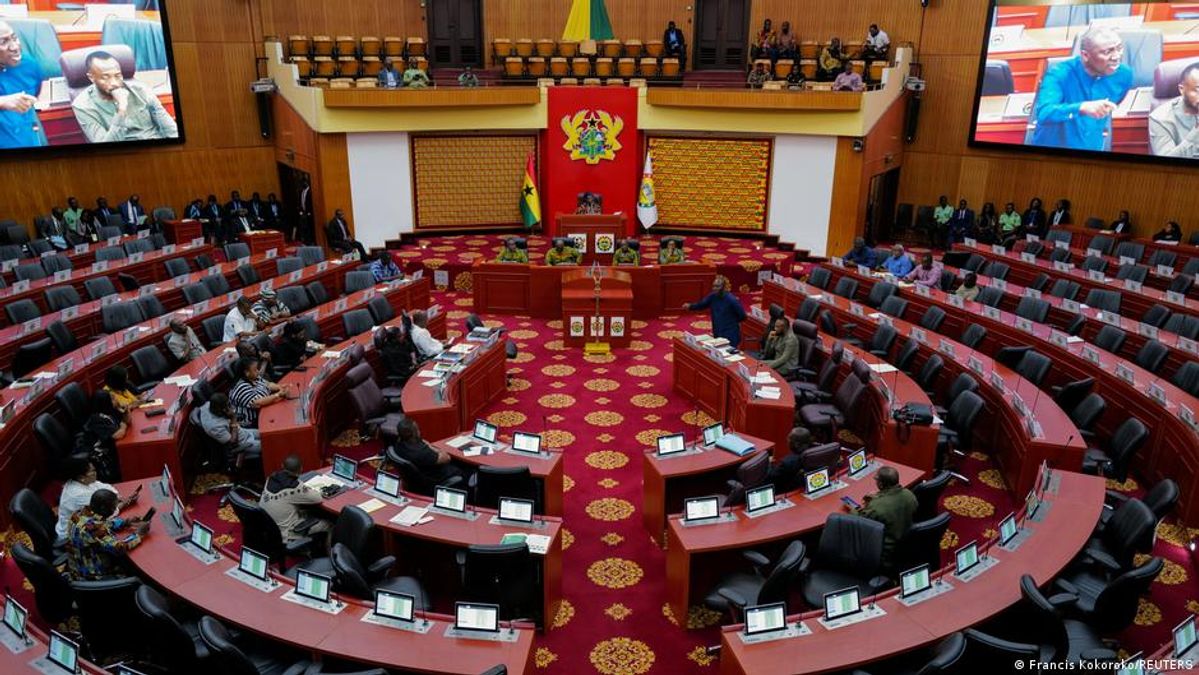
Ghana, often regarded as one of West Africa's most stable democracies, has long struggled with corruption. Despite decades of peaceful elections and democratic transfers of power, corruption continues to undermine public confidence, weaken public service delivery, and discourage investment. The country's latest Corruption Perceptions Index (CPI) score, 43 out of 100, ranking 76th globally, highlights the need for a more effective approach to combating corruption.
In response to these challenges, Ghana's President John Dramani Mahama has launched the National Ethics and Anti-Corruption Action Plan (NEACAP), a five-year strategy aimed at strengthening accountability, ethical leadership, and public participation in the fight against corruption. The plan seeks to improve coordination among anti-corruption institutions, strengthen oversight, promote ethical leadership across the public sector, and increase citizen participation in accountability efforts.
Ghana's previous National Anti-Corruption Action Plan was widely criticized for falling short of its objectives due to inconsistent implementation and weak enforcement. The new plan acknowledges these shortcomings and seeks to address them by placing greater emphasis on ethics, measurable targets, independent monitoring, and public reporting.
While the new plan offers a promising approach, its success will depend on consistent enforcement and the willingness of political leaders to apply the law. Analysts, such as Mary Awelana Addah, executive director of Transparency International Ghana, emphasize the need for independent monitoring and public reporting to ensure that the plan is implemented effectively. Addah also warns that the plan's success will largely depend on whether political leaders can demonstrate the will to apply the law consistently.
Civil society organizations, such as the Media Foundation for West Africa, have played a crucial role in highlighting the need for a more effective approach to combating corruption. They emphasize the importance of investigative reporting and the need for sanctions to be applied consistently to hold public officials accountable.
Ghana's new anti-corruption plan offers a crucial test of the country's commitment to combating corruption. While the plan offers a promising approach, its success will depend on consistent enforcement and the willingness of political leaders to apply the law. The international community will be watching closely to see whether Ghana can translate its commitment into meaningful accountability and a reduction in corruption.
Source referenced: DW
This brief was synthesized by our Editorial Engine and reviewed by The Ground Narrative team.


