TRENDING

Tuesday, 6 October 2026
----------------------
25 Rabi' Al-Thani 1448 AH
The FIFA World Cup, a global spectacle, has once again served as a microcosm for broader geopolitical tensions, with incidents on and off the pitch reflecting deep-seated regional conflicts and international power dynamics. Simultaneously, significant developments unfolded in the Middle East concerning Iran's leadership and US actions, alongside shifts in global sports diplomacy regarding Russian athletes.
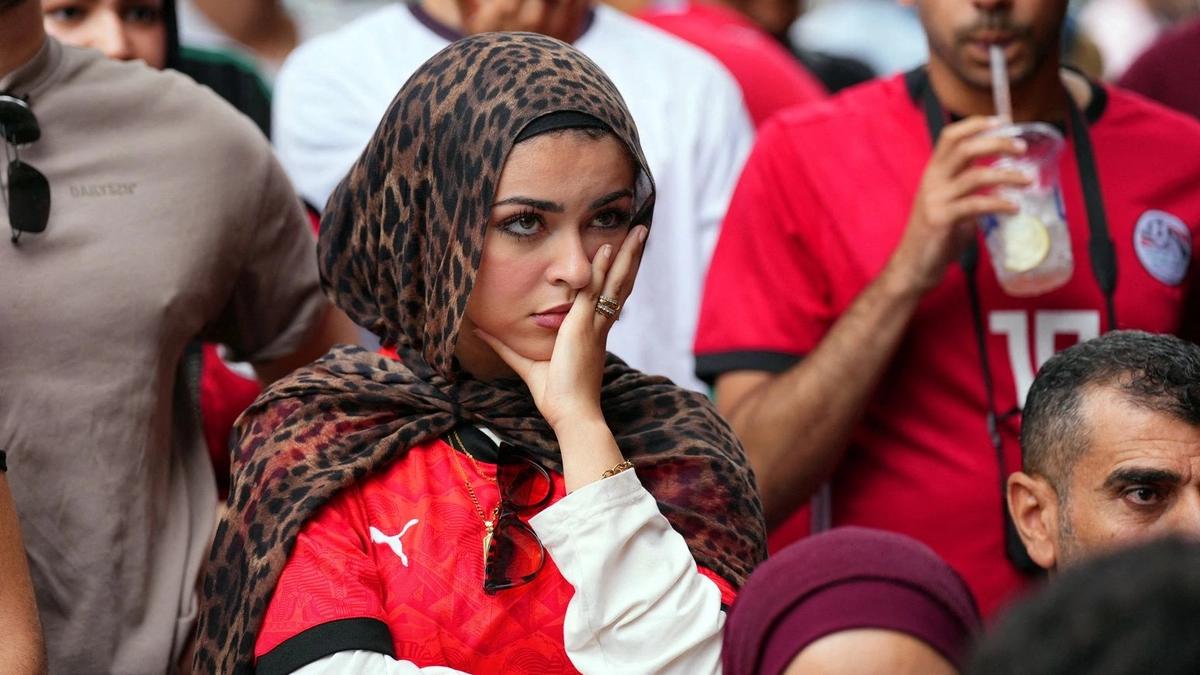
The recent FIFA World Cup campaign, culminating in Egypt's emotional exit from the Round of 16 after a match against Argentina, transcended mere sporting competition to become a significant platform for geopolitical expression and regional sentiment. While thousands of Egyptian fans gathered in Obour City to witness their team's "unforgettable run," the tournament's global spotlight illuminated deeper political currents, particularly concerning the enduring Israeli-Palestinian conflict.
The Egyptian coach's public condemnation of the international community's "silence on the killing of Palestinian children" underscored the profound connection between sports figures and pressing geopolitical issues in the Arab world. This statement, made on a global stage, reflects widespread public sentiment across the Middle East and North Africa, where the Palestinian cause remains a potent symbol of regional solidarity and a source of diplomatic friction. Such pronouncements by prominent national figures leverage the immense visibility of international sporting events to amplify political messages, effectively transforming athletic platforms into arenas for advocacy.
Further illustrating this intersection was the incident involving an Argentina fan waving an Israeli flag during the match against Egypt. This act, whether intentional provocation or a display of national identity, immediately injected a layer of political tension into the sporting event. In a region marked by historical conflict and ongoing diplomatic challenges, such symbols carry significant weight and can be perceived as highly provocative, especially when juxtaposed against the backdrop of the coach's earlier statement. These incidents highlight how global sporting events, intended to foster unity, often become unexpected venues where national identities, political grievances, and regional rivalries are openly displayed.
Beyond the sporting arena, the broader geopolitical landscape witnessed critical developments, particularly in the Middle East. The arrival of Ayatollah Ali Khamenei’s coffin in Iraq amidst reports of US strikes hitting Iran signals a period of heightened regional instability and potential leadership transition in Tehran. While the specific circumstances of Khamenei's passing and the US strikes require further clarification, the confluence of these events carries profound implications for regional power dynamics.
Khamenei's long tenure as Iran's Supreme Leader has been a defining feature of the Islamic Republic's foreign and domestic policy. His succession is a pivotal moment that could reshape Iran's trajectory, its regional alliances, and its approach to international relations, including its nuclear program and its posture towards the West. The timing of reported US strikes, if confirmed, adds a layer of complexity, potentially indicating a response to perceived Iranian actions or an attempt to influence the succession process. This situation underscores the volatile nature of the Middle East, where internal political shifts often intersect with external military pressures, creating a delicate balance of power that impacts global energy markets and security.
On a different international front, the International Olympic Committee (IOC)'s decision to ease restrictions on Russian athletes ahead of the 2028 games represents a significant development in the ongoing debate about the role of sports in international politics and sanctions regimes. Following widespread bans and restrictions imposed after geopolitical events, the IOC's move reflects a complex interplay of diplomatic pressures, athlete welfare considerations, and the principle of political neutrality in sports.
This decision will likely be met with mixed reactions. While proponents may argue for the separation of sports and politics, allowing individual athletes to compete regardless of their government's actions, critics will view it as a premature normalization that undermines the effectiveness of international sanctions. The move could also set a precedent for how international bodies navigate future conflicts involving major sporting nations, highlighting the challenges of maintaining a unified front in global governance when faced with competing political and ethical considerations.
Finally, concerns raised by experts warning that former President Trump is "playing politics with US intelligence" underscore the critical link between domestic political stability and international security. The politicization of intelligence agencies can erode trust in crucial information-gathering processes, potentially compromising national security assessments and the reliability of intelligence shared with allies. In an increasingly complex global environment, the integrity and independence of intelligence services are paramount for informed decision-making and maintaining strategic advantage. Such domestic political maneuvers can have far-reaching international consequences, affecting alliances, diplomatic strategies, and the global perception of US leadership.
The events unfolding across the globe, from the emotional highs and political undertones of the World Cup to the critical developments in the Middle East and shifts in international sports policy, collectively paint a picture of a highly interconnected and volatile world. These incidents demonstrate how seemingly disparate events—a football match, a leader's passing, an athletic committee's decision, or domestic political maneuvering—are often deeply intertwined, reflecting the complex interplay of geopolitics, national identity, and global power dynamics. Understanding these connections is crucial for navigating the evolving international landscape and anticipating future challenges.
Source referenced: ALJAZEERA
This brief was synthesized by our Editorial Engine and reviewed by The Ground Narrative team.