TRENDING

Sunday, 27 September 2026
----------------------
16 Rabi' Al-Thani 1448 AH
Hungary's new Prime Minister Peter Magyar is dismantling the 'mafia system' left behind by his predecessor Viktor Orban, with a series of reforms aimed at rooting out corruption and restoring transparency.
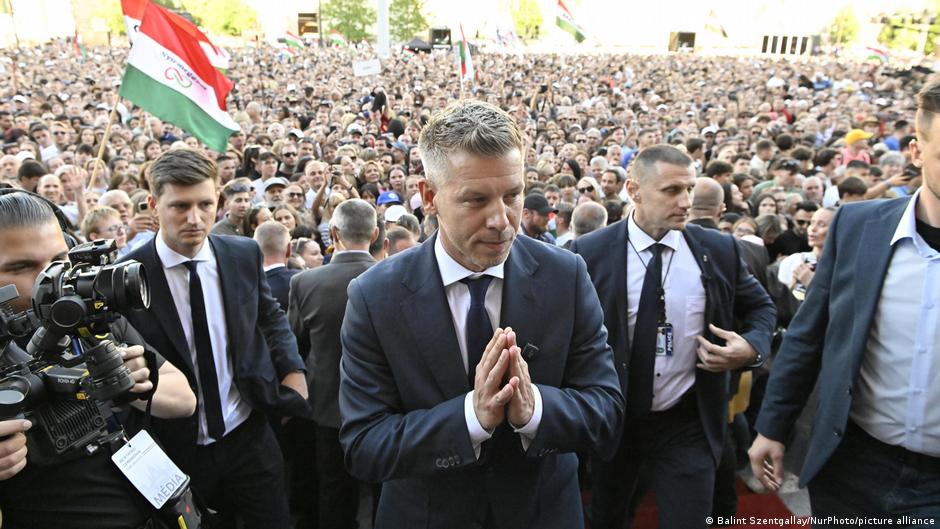
Hungary's new Prime Minister Peter Magyar is making swift moves to dismantle the 'mafia system' left behind by his predecessor Viktor Orban. Magyar's government has introduced a series of reforms aimed at rooting out corruption and restoring transparency in the country.
Orban's 16-year rule was marked by widespread corruption and cronyism. The former Prime Minister and his allies used their power to accumulate wealth and influence, often through opaque and unlawful means. Magyar has vowed to put an end to this system, promising to root out corruption and bring those responsible to justice.
Magyar's plan to dismantle the 'mafia system' is being implemented through a series of laws and reforms. The first package of laws passed by parliament includes anti-corruption measures aimed at ensuring the European Union releases €17 billion in frozen funding for Hungary. The laws also abolish public interest asset management foundations (KEKVA), which were used to shift huge amounts of public assets into private hands.
Magyar's government has also introduced reforms aimed at increasing transparency and accountability in public tenders and the media. The parliament has approved a reorganization of public service media, introducing a sweeping restriction of political hate campaigns. Magyar has also promised to establish the National Asset Recovery and Protection Office (NVVH), which will be responsible for recovering billions of euros in assets that went into the pockets of Orban's allies during his time in office.
However, Magyar's government faces significant challenges in implementing these reforms. The new Prime Minister must navigate the 'post-illiberal trilemma' of swiftly reversing the damage of illiberal rule, preventing a populist resurgence, and strictly observing constitutional norms. Balancing speed, efficiency, and legality is essential to Hungary's re-democratisation.
The implications of Magyar's reforms are significant not only for Hungary but also for the wider region. The country's shift towards a more pro-EU course is likely to have a positive impact on its relations with the European Union. However, the partial shift on support for Ukraine may raise concerns about Hungary's commitment to regional stability.
Hungary's new Prime Minister Peter Magyar is taking bold steps to dismantle the 'mafia system' left behind by his predecessor Viktor Orban. While the challenges ahead are significant, Magyar's reforms have the potential to restore transparency and accountability in Hungary and promote regional stability. The success of these reforms will depend on the government's ability to balance speed, efficiency, and legality in implementing its plans.