TRENDING

Friday, 16 October 2026
----------------------
5 Jumada Al-Awwal 1448 AH
The election of Peter Magyar as Hungary's new leader marks a significant shift in European populism, as far-right parties increasingly adopt moderate conservatism and distance themselves from authoritarianism.
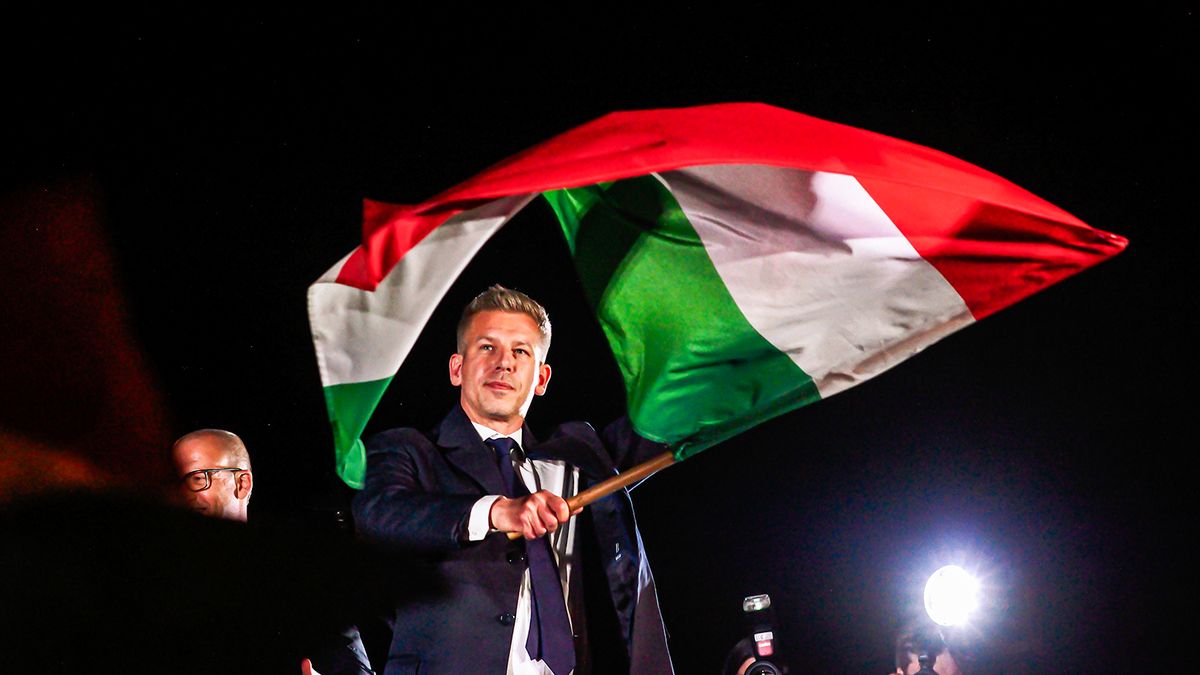
The recent election of Peter Magyar as Hungary's new leader has been interpreted as a setback for the European right. However, this narrative overlooks a deeper trend in the democratic West: the transformation of the far right into a populist-inflected conservatism.
Magyar's electoral approach reflects an evolving populist conservatism that is taking root in Britain, France, Italy, and elsewhere. This new conservatism is characterized by a mellowing of far-right populist parties, which are policing overt expression of racist rhetoric in their ranks. In recent months, Britain's Reform Party has expelled antisemitic and racist officials and activists, while opening its doors to mainstream conservatives.
The transformation of the far right into a populist-inflected conservatism is also marked by a shift away from authoritarianism. Magyar's election campaign focused on national sovereignty, national identity, and strict control over immigration, but also emphasized the importance of checks and balances, the rule of law, and an end to government dominance over the media. This approach is a significant departure from the authoritarianism of former Hungarian Prime Minister Viktor Orban, who was known for his centralization of power and cronyism.
The implications of this shift are significant for the European region. As far-right parties increasingly adopt moderate conservatism, they are likely to become more integrated into the European mainstream. This could lead to a reduction in tensions between European countries and a more stable regional environment.
The transformation of the far right into a populist-inflected conservatism also has significant implications for the future of European politics. As far-right parties become more moderate, they are likely to become more electorally competitive, potentially leading to a shift in the European political landscape.
The transformation of the far right into a populist-inflected conservatism is a response to the changing political landscape in Europe. The 2008 financial crisis and the more recent economic shock induced by the COVID-19 pandemic have led to increased public discontent and a growing sense of nationalism. However, unlike the Great Depression, neither crisis resulted in a catastrophic decline in living standards. As a result, voters were not looking to ditch their democratic freedoms, but rather to defend their distinct national identities and place tight limits on immigration.
The strategic motivations behind the transformation of the far right into a populist-inflected conservatism are complex and multifaceted. However, it is clear that far-right parties are seeking to expand their base in a bid for power, while also appealing to more moderate voters. This approach is likely to be successful, as it allows far-right parties to tap into the growing sense of nationalism and discontent with the European Union.
The election of Peter Magyar as Hungary's new leader marks a significant shift in European populism, as far-right parties increasingly adopt moderate conservatism and distance themselves from authoritarianism. This transformation has significant implications for the European region, including a reduction in tensions between European countries and a more stable regional environment. As far-right parties become more moderate, they are likely to become more electorally competitive, potentially leading to a shift in the European political landscape.
Editor's Note: This analysis is based on publicly available information and may not reflect the full complexity of the situation.
Source referenced: FOREIGNPOLICY
This brief was synthesized by our Editorial Engine and reviewed by The Ground Narrative team.