TRENDING

Sunday, 4 October 2026
----------------------
23 Rabi' Al-Thani 1448 AH
Hezbollah's recent release of FPV drone footage reflects a broader context of a media war between the group and Israel, with significant implications for regional stability and global perception.
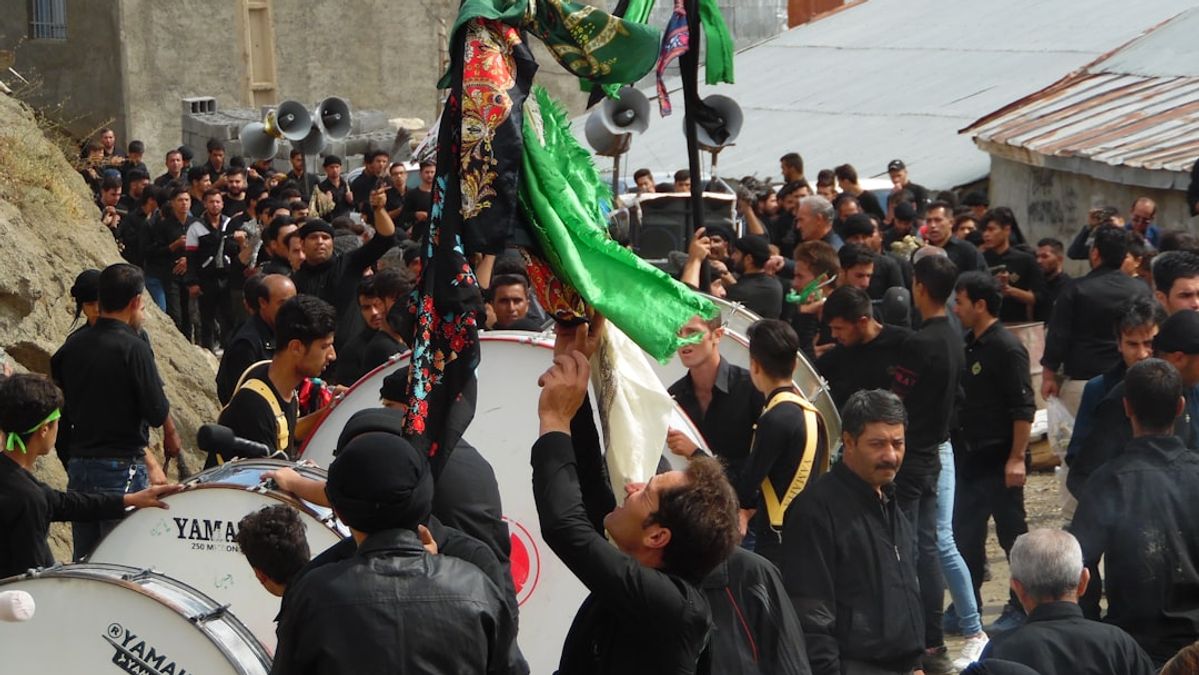
The recent release of FPV drone footage by Hezbollah has sparked a new chapter in the ongoing media war between the group and Israel. This development is not an isolated incident, but rather a symptom of a broader struggle for control of the narrative in the region.
Hezbollah's media strategy has been a key component of its success in shaping public opinion and mobilizing support. In the late 1990s, the group's media machinery, led by Hassan Nasrallah, effectively created a perception in the Arab world that Israel was already withdrawing from Lebanon, paving the way for the eventual Israeli withdrawal in May 2000.
Nasrallah's leadership and media presence were instrumental in shaping Hezbollah's image and narrative. However, his death in 2024 marked a significant turning point for the group. Without Nasrallah's unique ability to reframes events and maintain a strong narrative, Hezbollah's image suffered, and the group struggled to regain its footing.
Israel, on the other hand, has been actively building its media strategy on two tracks: operational and cultural. The Israeli military has invested in producing slick 3D animation videos to justify its actions, while the Netflix series Fauda has been instrumental in shaping global perceptions of Hezbollah and Palestinian fighters.
The recent Lego video campaign by Tehran and Hezbollah has been a significant development in the media war. These videos, aimed at a global audience, have been effective in countering Israel's narrative and shaping public opinion. However, Hezbollah's FPV drone footage represents a new level of sophistication and intimacy, targeting both its supporters and the Israeli military.
The battle for perception is far from over. Hezbollah's FPV footage has the potential to reshape the narrative in the region, while Israel's media strategy continues to evolve. The implications of this media war are significant, with potential consequences for regional stability, global perception, and the future of the conflict.
The battle for perception is a critical component of the ongoing conflict between Hezbollah and Israel. As the media war continues to escalate, it is essential to understand the historical context, strategic motivations, and regional implications of this struggle. The future consequences of this media war will be far-reaching, with significant implications for the region and the world.
Editor's Note: The analysis is based on available information and may be subject to change as new developments emerge.
Source referenced: ALJAZEERA
This brief was synthesized by our Editorial Engine and reviewed by The Ground Narrative team.