TRENDING

Wednesday, 14 October 2026
----------------------
3 Jumada Al-Awwal 1448 AH
A high-level meeting in Beijing signals a deepening bond between China and the United Arab Emirates, reflecting a significant recalibration of power in the Middle East. This alliance models a new 'Global South' dynamic, but with profound implications for regional stability and human lives.
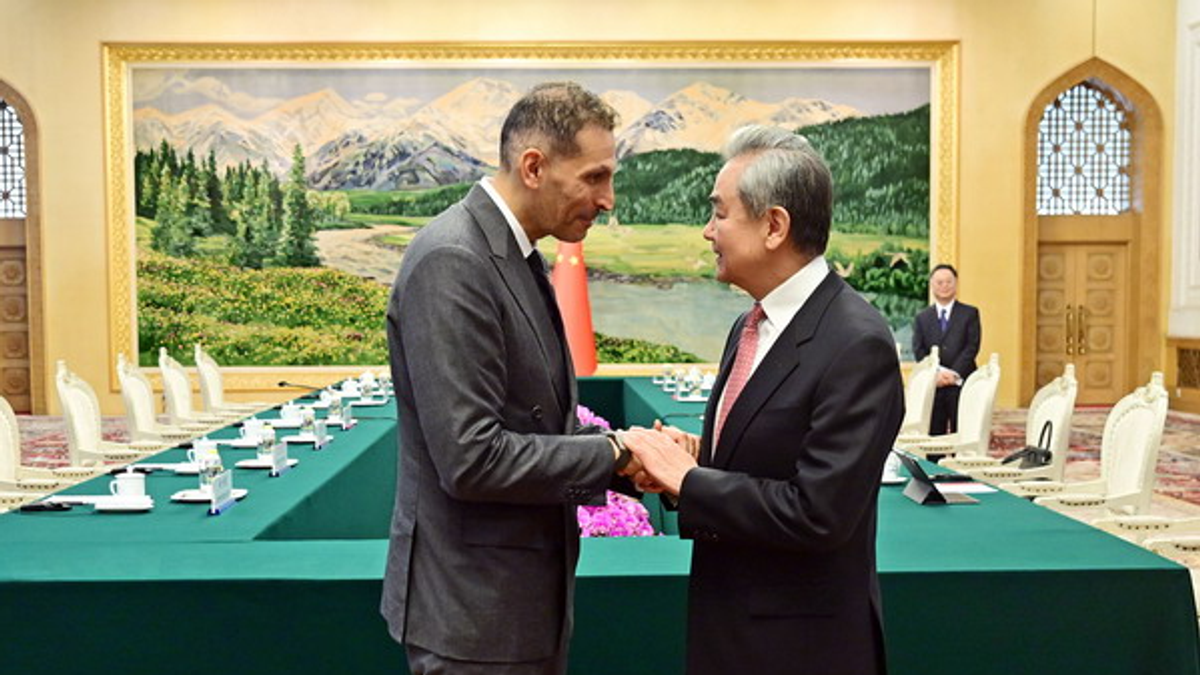
In October 2026, Wang Yi, China's top diplomat and director of the Office of the Central Commission for Foreign Affairs, met with Khaldoon Khalifa Al Mubarak, special envoy of the president of the United Arab Emirates (UAE), in Beijing. The meeting, framed by both sides as a model for
The UAE seeks to diversify its economy and security partnerships beyond traditional Western allies, leveraging China's economic power and non-interference policy to secure its future. This pivot helps the UAE gain greater autonomy and access to new markets and technologies.
China gains energy security, a strategic hub for its Belt and Road Initiative, and increased geopolitical influence in a region traditionally dominated by the US. This partnership also supports China's 'Global South' narrative and its efforts to promote the Yuan in international trade.
This deepening partnership could reshape regional power balances, potentially challenging the existing security architecture and influencing ongoing conflicts. It also raises questions about labor rights, digital control, and environmental impact as large-scale projects proceed.
Source referenced: CGTN
This brief was synthesized by our Editorial Engine and reviewed by The Ground Narrative team.