TRENDING

Tuesday, 22 September 2026
----------------------
11 Rabi' Al-Thani 1448 AH
The continued house arrest of opposition leader Domingos Simoes Pereira has escalated tensions in Guinea-Bissau, raising concerns about the country's democratic future and regional stability.
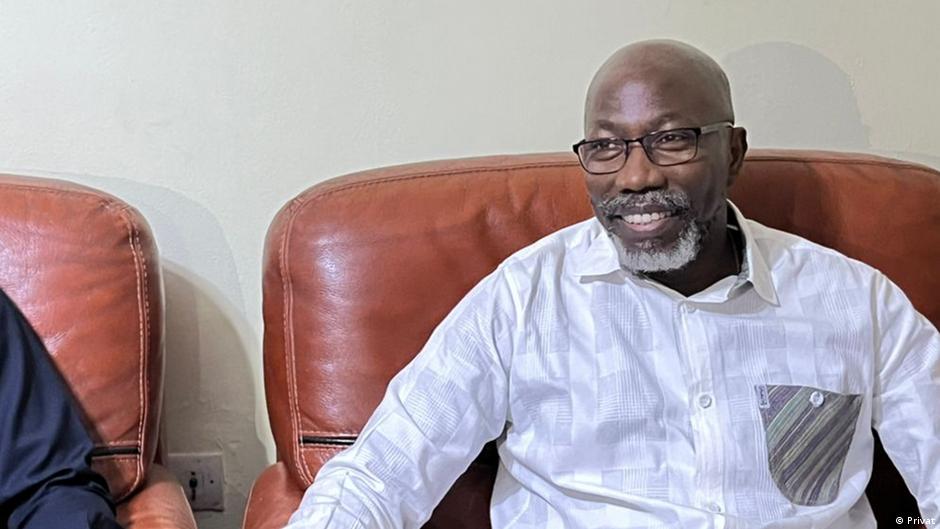
Guinea-Bissau, a small West African nation, has been plagued by political instability since a military coup in November 2025. The coup led to the ousting of President Umaro Sissoco Embalo, and a National Transitional Council took over governance. Domingos Simoes Pereira, the leader of the African Party for the Independence of Guinea and Cape Verde (PAIGC), was among the first people arrested and has been under house arrest since January.
Pereira's house arrest has sparked international concern, with Portugal and other Portuguese-speaking states calling for his release. The military leadership in Bissau dismisses the criticism as interference in national sovereignty. However, the opposition sees Pereira's detention as part of a broader effort to weaken the Bissau-Guinean opposition.
The international community, including ECOWAS and the African Union, has been criticized for its inaction. Portugal's Foreign Minister, Paulo Rangel, has called for Pereira's release and a return to constitutional order. However, the military leadership in Bissau has responded with sharp warnings, stating that they will not be guided by foreign interests.
The credibility of the announced elections is now at stake. Legal expert Nexus Faria argues that African members of the CPLP must take a stronger stance. Civil society representative Luis Vicente echoes this view, stating that the international community must not treat this as merely an internal affair of Guinea-Bissau.
The military leadership in Bissau is likely motivated by a desire to consolidate power and maintain control. The house arrest of Pereira and other opposition leaders is a means to achieve this goal. The historical context of Guinea-Bissau's political instability and the role of external actors, such as Portugal, must be considered when analyzing the situation.
The continued house arrest of Pereira and the lack of international action may lead to further instability in Guinea-Bissau. The country's democratic future is at risk, and regional stability is threatened. The international community must take a stronger stance to support democracy and human rights in Guinea-Bissau.
The house arrest of Domingos Simoes Pereira is a critical issue that requires international attention. The situation in Guinea-Bissau is complex, with multiple actors and motivations at play. A deeper understanding of the historical context and strategic motivations is necessary to address the crisis effectively. The international community must take a stronger stance to support democracy and human rights in Guinea-Bissau.