TRENDING

Saturday, 10 October 2026
----------------------
29 Rabi' Al-Thani 1448 AH
A global surge in diesel prices, doubling in two years, is exposing deep vulnerabilities in energy supply chains, fueled by distant wars and decades of European policy decisions. Ordinary citizens and industries worldwide are now grappling with the escalating costs.
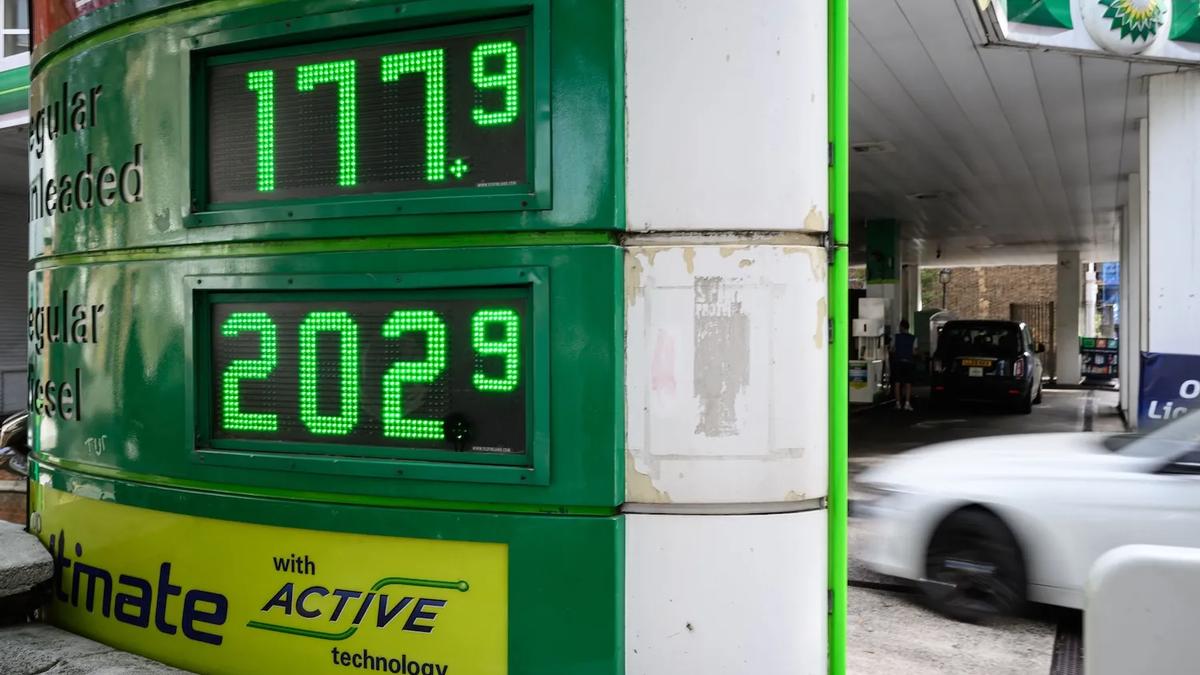
The price of diesel fuel, the lifeblood of global logistics and heavy industry, has surged dramatically, almost doubling in the last two years. This sharp increase is not an isolated market fluctuation but the convergence of several powerful forces: the ongoing war in Ukraine, the escalating conflict in Iran and its impact on the Strait of Hormuz, and long-term policy decisions made by European governments and industries. The crisis is directly impacting anyone who relies on diesel-powered vehicles, from farmers and truckers to shipping companies, and its ripple effects are now beginning to touch the wallets of consumers everywhere through rising transportation costs and inflation.
Diesel, distinct from petrol, is a heavier fraction of refined crude oil, designed to spontaneously ignite under compression rather than a spark. This characteristic allows for the creation of exceptionally large and efficient engines, making it indispensable for heavy-duty applications: powering tractors in agricultural fields, driving trains across continents, and propelling the massive ships that carry the vast majority of global trade. Its foundational role in moving goods and people makes its price volatility a fundamental threat to economic stability and the everyday cost of living.
The current global diesel crisis is a stark illustration of how past policy choices, economic incentives, and geopolitical events intertwine to create systemic vulnerabilities. At its heart lies a deliberate, decades-long energy transition within Europe that has now proven to be a strategic misstep.
From the late 1980s through the early 2010s, Europe embarked on a concerted effort to shift its passenger vehicle fleet towards diesel. This transformation was driven by a powerful combination of interests. The European car industry, particularly major players like Mercedes-Benz and Volkswagen, had invested heavily in developing highly efficient turbo-diesel engines. These engines offered superior fuel economy and performance, becoming a point of technological pride and a competitive advantage in the global automotive market. The European Commission, seeking to reduce carbon emissions and improve fuel efficiency, actively supported this shift through favorable regulations, viewing diesel as the most viable path to greener transport before the widespread emergence of electric vehicles.
Crucially, European refineries also benefited from this push. A barrel of crude oil yields various products, and diesel occupies a significant
Global diesel prices have nearly doubled in two years due to a combination of factors: disruptions from the war in Ukraine, conflicts in the Middle East impacting the Strait of Hormuz, and a long-standing structural dependency on diesel in Europe that outstrips its domestic refining capacity.
From the late 1980s, European car manufacturers and the European Commission promoted diesel engines for their efficiency and lower CO2 emissions. This policy, combined with refinery interests, led to over 50% of European passenger cars being diesel by the early 2010s, creating a significant import dependency.
The crisis primarily impacts industries reliant on heavy machinery and logistics, such as trucking, shipping, and agriculture, leading to higher operational costs. These costs are then passed on to consumers through increased prices for goods and services, contributing to inflation and eroding household purchasing power.
Source referenced: FOREIGNPOLICY
This brief was synthesized by our Editorial Engine and reviewed by The Ground Narrative team.