TRENDING

Tuesday, 27 October 2026
----------------------
16 Jumada Al-Awwal 1448 AH
Ghana's parliament has passed the Community Service Bill, aiming to reduce prison overcrowding and promote rehabilitation. The bill introduces community service as an alternative to custodial sentences for minor offenses, aligning with a growing trend across Africa.
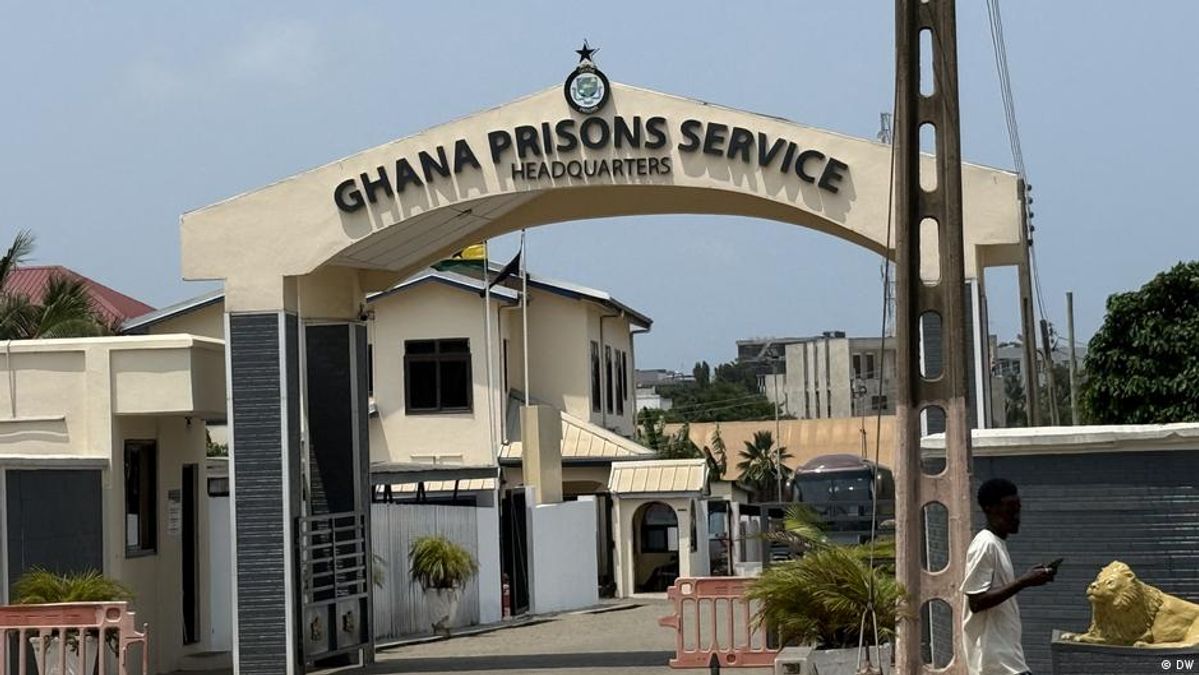
Ghana's parliament has recently passed the Community Service Bill, 2026, marking a significant step towards prison reform and rehabilitation. The legislation introduces community service as an alternative to custodial sentences for minor offenses, aiming to ease prison overcrowding and reduce the financial burden on taxpayers.
Ghana's prison system has long suffered from overcrowding, inadequate budgets, high medical costs, and chronic congestion. The current prison population exceeds 13,000, with overcrowding rates exceeding 37%. The financial strain of maintaining prison facilities is substantial, with feeding alone requiring 10 million cedis (€752,000, $859,000) per quarter. The Community Service Bill seeks to address these issues by providing a structured alternative for misdemeanor offenses that previously defaulted to custodial sentences.
The bill's passage aligns with a growing trend across Africa, where countries such as Nigeria, Kenya, Zimbabwe, Malawi, Tanzania, and Uganda have adopted similar noncustodial sentencing legislation. International bodies, including the United Nations Office on Drugs and Crime, have long encouraged alternatives to incarceration, citing benefits such as reduced recidivism, lower state expenditure, and improved community reintegration. Ghana's policy process, initiated in 2014 by the Ministry of the Interior with support from UNICEF, aims to modernize justice administration and align national laws with global best practices on restorative justice.
The Community Service Bill represents a significant shift towards rehabilitation and community reintegration, rather than solely focusing on punishment. By redirecting minor offenders toward community labor, skills development, and civic responsibility, Ghana joins a broader African effort to rethink punishment beyond incarceration. The bill's effectiveness will depend on proper categorization of offenses, public education, and the creation of a Legislative Instrument (L.I.) to operationalize the new system.
Ghanaians have mixed opinions on the bill, with some hailing it as a step in the right direction and others expressing concerns about its application. Legal practitioners, such as Christian Malm Hesse, emphasize the need for fairness and consistency in the application of the bill. The bill's passage has sparked discussions about the potential benefits of community service, including cleaner cities, reduced waste, and increased nation-building.
Ghana's Community Service Bill marks a significant step towards prison reform and rehabilitation, aligning with a growing trend across Africa. The bill's passage has sparked discussions about the potential benefits of community service, including reduced recidivism, lower state expenditure, and improved community reintegration. However, the bill's effectiveness will depend on proper categorization of offenses, public education, and the creation of a Legislative Instrument (L.I.) to operationalize the new system. As Ghana embarks on this new path, it is essential to monitor the bill's implementation and assess its impact on the country's justice system and society as a whole.
Editor's Note: The bill's effectiveness will depend on proper categorization of offenses, public education, and the creation of a Legislative Instrument (L.I.) to operationalize the new system.
Source referenced: DW
This brief was synthesized by our Editorial Engine and reviewed by The Ground Narrative team.