TRENDING

Friday, 16 October 2026
----------------------
5 Jumada Al-Awwal 1448 AH
The Gulf Cooperation Council (GCC) member states face significant economic risks due to the ongoing Strait of Hormuz crisis. To mitigate these risks, the GCC should establish swap arrangements to ensure stability and unity in the face of future threats.
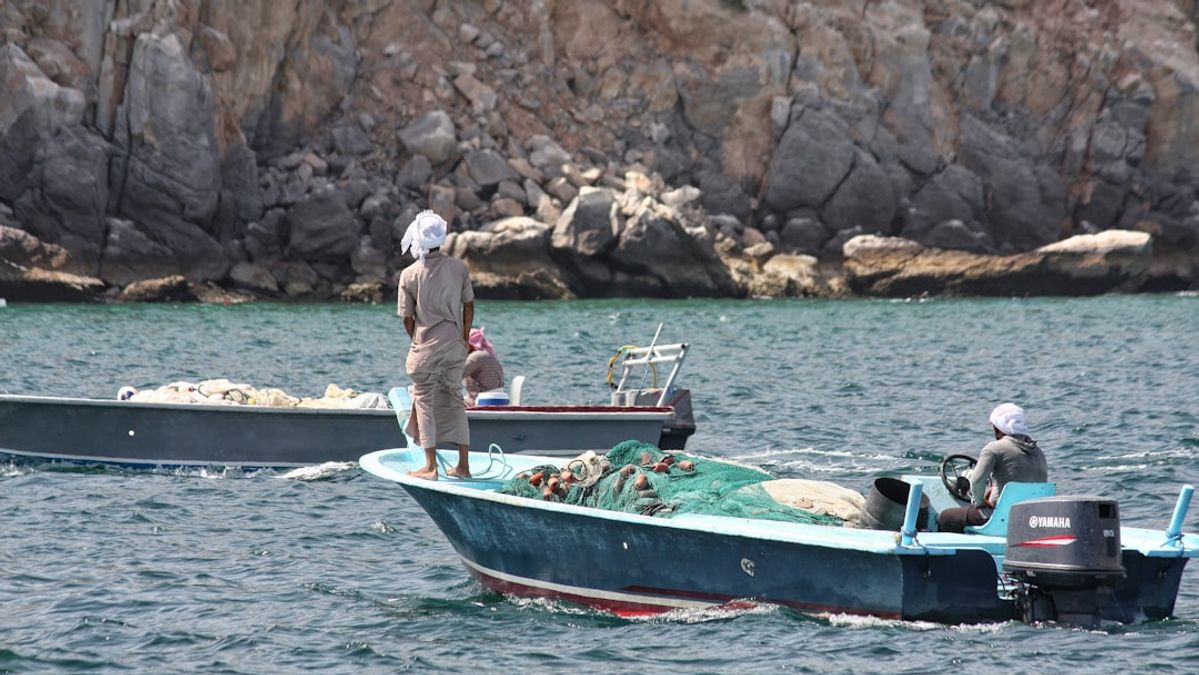
The ongoing US-Israel war on Iran has severely impacted the Gulf Cooperation Council (GCC) member states, with varying degrees of economic shock. Oman has been relatively unaffected, while Saudi Arabia and the United Arab Emirates (UAE) have managed to reroute some oil exports through alternative terminals. In contrast, Kuwait, Bahrain, and Qatar have been largely cut off from the global market, facing the prospect of economic contraction.
In this critical juncture, the GCC states must demonstrate unity and address the crisis through collective action. The issue of solidarity is not merely about showing benevolence to neighbors but about establishing mechanisms to mitigate the consequences of future threats. This collective effort is essential for the survival of the GCC unity and its leverage on the global scene.
If some GCC states continue to pursue self-interested approaches, it would lead to a free fall, with grave economic consequences for the entire GCC. The UAE's exit from OPEC, driven by the perception of an opportunity to grab greater oil market share, is a prime example of this trend. If this continues, it would reduce the GCC's influence as a regional bloc and diminish its ability to sway energy markets.
Swap arrangements can be a practical step towards addressing the present crisis and ensuring stability in the face of future risks. The GCC can consider three types of swap mechanisms: physical, contractual, and quality swap deals. These arrangements would allow one party to deliver an equivalent commodity to fulfill a contract on behalf of another, exchanging one grade or product for another to align the feedstock needs of refineries or optimize transport costs.
The GCC member states have experience with swap deals, as seen in the 2013 Qatar-Egypt LNG swap and the 2021 UAE-ENOC swap. Oman LNG has also conducted swap tenders, demonstrating the required expertise to carry out intra-GCC swaps. Establishing an energy swap facility through a coordinated clearing mechanism among national oil companies, major regional refiners, selected traders, insurers, banks, and key Asian and European buyers would be the most practical way to implement such deals.
Saudi Arabia, Oman, and the UAE have the largest options to bypass the Strait of Hormuz and provide the largest pool of deliverable crude. Their command of customer credibility, global familiarity with Saudi oil grades, Red Sea export infrastructure, and Aramco's trading capacity make them the main pillars of any future swap system. Complementing their role as market regulators within OPEC/OPEC+ with leadership within the GCC, Riyadh can help stabilize the market by covering priority cargoes for strategic buyers.
The GCC should establish swap arrangements to ensure stability and unity in the face of future threats. This collective effort would strengthen the GCC unity, help members avoid internal economic rivalry, and encourage the launch of a larger regional infrastructure drive that would lessen dependence on the Strait of Hormuz and diminish its value as a geopolitical tool. If implemented, swap arrangements would serve as the GCC's insurance against any new turbulence in the region.
Editor's Note: While the GCC has experience with swap deals, the implementation of such arrangements would require a high level of political will, trust, and mutual determination. Additionally, there are physical limitations to consider, as the GCC infrastructure does not have the capacity to reroute export volumes that pass through the Strait of Hormuz completely.
Source referenced: ALJAZEERA
This brief was synthesized by our Editorial Engine and reviewed by The Ground Narrative team.