TRENDING

Wednesday, 7 October 2026
----------------------
26 Rabi' Al-Thani 1448 AH
Recent Israeli military actions in Gaza have resulted in at least nine Palestinian fatalities, including children, despite an existing ceasefire agreement. These incidents highlight the fragility of the nominal truce and further complicate stalled diplomatic efforts towards a lasting resolution in the besieged territory.
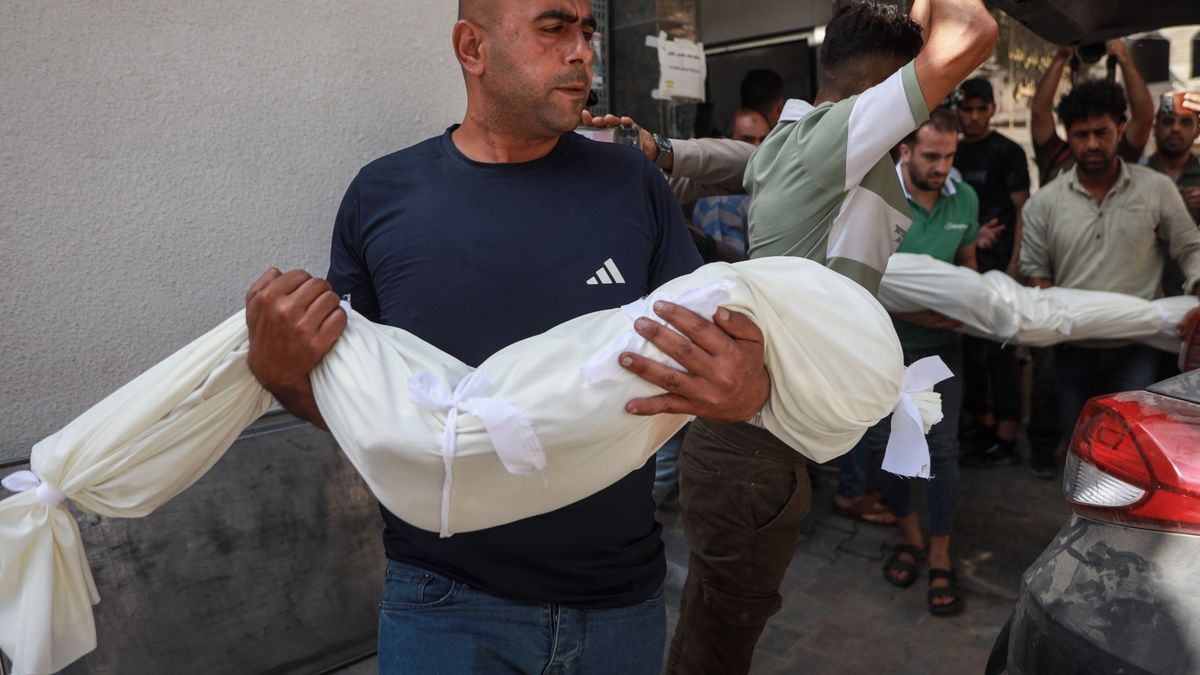
On Wednesday, July 9, 2026, a series of Israeli air attacks and gunfire incidents in the Gaza Strip resulted in the deaths of at least nine Palestinians, including two children, according to reports from health officials in the besieged territory. These events occurred across various locations, specifically targeting areas within Gaza City, such as the Sabra and Zeitoun neighborhoods, and the al-Mawasi area in Khan Younis, located in the southern part of the enclave. The reported casualties include one individual killed near a school in Gaza City, four people, including a 10-year-old child, in an attack on a tent sheltering displaced persons in al-Mawasi, and a six-year-old boy killed by gunfire in Zeitoun. Three additional fatalities were reported in other separate attacks in Gaza City.
These latest incidents are particularly significant as they transpired despite a "ceasefire" that has been nominally in effect since October of the preceding year. The continuation of lethal military operations under such circumstances underscores the profound fragility of the truce and highlights the persistent challenges in de-escalating the intense hostilities that have characterized the region. The reported attacks, which involved both aerial bombardment and ground fire, indicate a sustained level of military engagement that directly contradicts the spirit and intent of any ceasefire agreement.
The humanitarian implications of these attacks are severe and far-reaching. The targeting of civilian infrastructure and areas, including a tent sheltering displaced individuals and the vicinity of a school, exacerbates an already catastrophic humanitarian crisis in Gaza. The enclave, which has been under a prolonged blockade, faces critical shortages of essential resources, and its healthcare system is severely strained. The loss of civilian lives, particularly children, not only represents an immediate tragedy but also deepens the collective trauma experienced by the Palestinian population.
For the hundreds of thousands of displaced persons within Gaza, areas like al-Mawasi, often designated as humanitarian zones, are meant to offer a degree of safety. Attacks on such locations erode any remaining sense of security and further complicate efforts by international aid organizations to provide assistance. The continuous cycle of violence and displacement perpetuates a state of chronic vulnerability, making recovery and reconstruction efforts exceedingly difficult. The reported fatalities, especially among the most vulnerable segments of the population, draw urgent international attention to the imperative of protecting civilians in conflict zones and upholding the principles of international humanitarian law.
The persistence of lethal military actions despite a declared ceasefire fundamentally undermines ongoing diplomatic efforts aimed at achieving a lasting peace. The article explicitly notes that progress towards a final agreement to end the conflict has stalled, a situation only worsened by such violent outbreaks. Each incident of violence erodes trust between the warring parties, making future negotiations more challenging and prolonging the cycle of conflict. International mediators and regional powers face an uphill battle in trying to enforce a truce that appears to be routinely violated, raising questions about the efficacy of current diplomatic frameworks.
Beyond the immediate conflict zone, the continued instability in Gaza carries significant regional implications. The Israeli-Palestinian conflict remains a central flashpoint in the Middle East, with its dynamics influencing broader geopolitical alignments and security concerns. Persistent violence risks fueling regional tensions, potentially drawing in other state and non-state actors, and complicating efforts to foster broader regional stability. The international community's credibility in brokering and enforcing peace agreements is also at stake, as the inability to maintain a ceasefire in Gaza reflects a broader challenge in managing protracted conflicts.
From a geopolitical perspective, these incidents intensify international scrutiny of Israel's military conduct and its adherence to international humanitarian law. Reports of civilian casualties, particularly children, in areas designated for displaced persons, are likely to provoke strong condemnation from human rights organizations and various international bodies. Such events often lead to increased calls for accountability and investigations into potential violations of international law, placing further diplomatic pressure on Israel and its key allies.
While the strategic motivations behind these specific attacks are not detailed in the provided report, the broader context suggests that both sides continue to pursue objectives through military means, even under the umbrella of a nominal ceasefire. For Israel, military operations are often framed as responses to security threats, while for Palestinian factions, resistance is often cited as a response to occupation and ongoing hostilities. The lack of a clear, enforced cessation of hostilities indicates a strategic stalemate where neither side appears willing or able to fully commit to a durable peace without significant external pressure or a fundamental shift in their respective approaches.
The current situation in Gaza, characterized by ongoing violence despite a ceasefire and stalled peace talks, paints a grim picture for the prospects of a lasting resolution. A sustainable peace would require not only a complete cessation of hostilities but also robust mechanisms for monitoring, accountability, and the delivery of humanitarian aid. Furthermore, addressing the underlying political, economic, and social grievances that fuel the conflict is paramount.
The repeated violations of the ceasefire underscore the urgent need for more effective international mediation and enforcement. Without a stronger commitment from all parties and more decisive action from the international community, the cycle of violence is likely to persist, leading to further loss of life and continued instability. The long-term consequences of this protracted conflict include the erosion of hope for future generations, the perpetuation of radicalization, and the continued destabilization of an already volatile region. The path to peace in Gaza remains fraught with challenges, demanding sustained diplomatic engagement and a renewed commitment to international law and humanitarian principles.
Source referenced: ALJAZEERA
This brief was synthesized by our Editorial Engine and reviewed by The Ground Narrative team.


