TRENDING

Wednesday, 21 October 2026
----------------------
10 Jumada Al-Awwal 1448 AH
The International Stabilization Force (ISF) aims to secure the reconstruction of Gaza, but differing expectations and a lack of a political framework hinder its deployment.
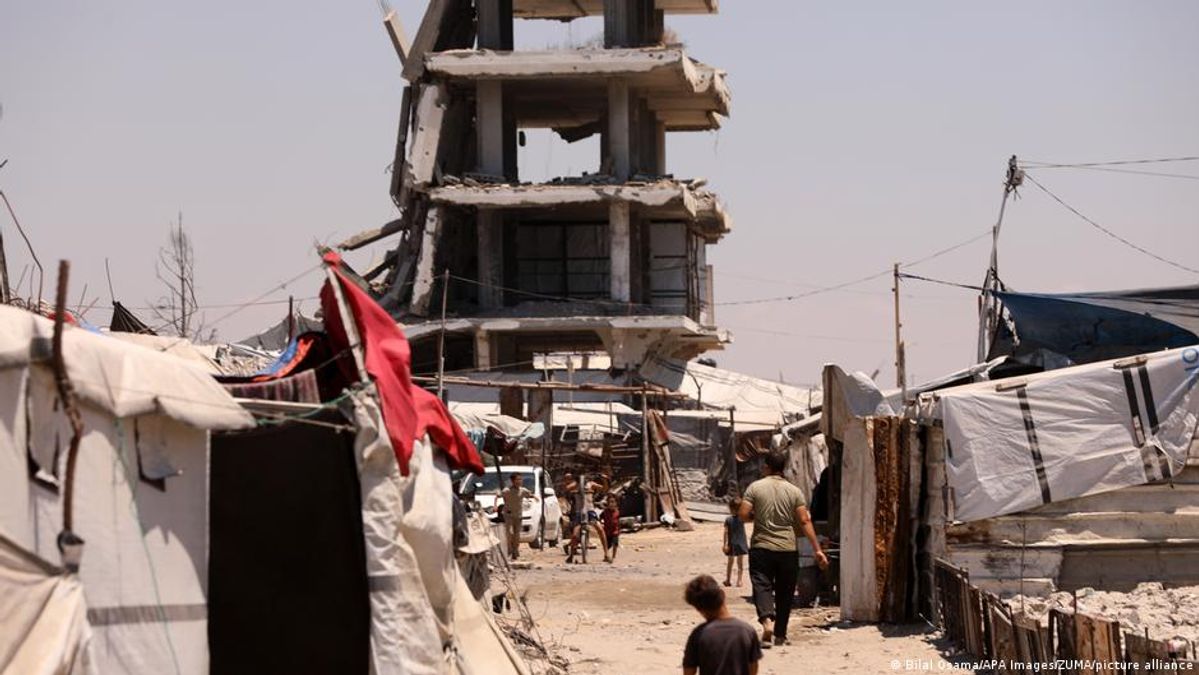
The International Stabilization Force (ISF) is a multinational mission aimed at ensuring the reconstruction of Gaza. However, its deployment is facing significant challenges due to differing expectations and a lack of a political framework.
The ISF is tasked with securing the reconstruction process, protecting humanitarian aid deliveries, and training new Palestinian security forces. In the long term, it is intended to support a political transition. However, unlike traditional United Nations peacekeeping missions, the ISF will be organized outside the usual UN command structures.
The ISF's deployment is hindered by the differing expectations of its key stakeholders. Israel wants to secure military freedom of action, while potential troop-contributing countries are primarily interested in a traditional peacekeeping mission. This mismatch in expectations makes it challenging to reconcile the needs of all parties involved.
A stable, legitimate Palestinian administration is necessary for the ISF's success. Without a clear political framework, the mission risks becoming another international transitional project. The population of Gaza remains in limbo, and reconstruction is tied to a political condition that has not yet been agreed upon.
Arab states play a crucial role in Gaza's future, as they are the most important financial backers for reconstruction. However, many governments want to avoid sending troops and billions in aid to Gaza without a solid political roadmap. Morocco's commitment to the ISF is seen as an important signal, but it does not change the fact that other major regional powers have so far remained cautious.
The real challenge lies in solving the stalemate between Israel, Hamas, and the Arab states. Reconstruction itself is an essential component of security, and anyone who separates the two processes risks further entrenching the political stalemate. Whether the ISF will ever be able to assume its intended role remains uncertain, but it is clear that a concerted effort is needed to address the complex web of interests and create a stable political framework for the mission's success.
The Gaza stabilization mission is a delicate balance of interests, and its deployment is hindered by the differing expectations and a lack of a political framework. A stable, legitimate Palestinian administration is necessary for the ISF's success, and a concerted effort is needed to address the complex web of interests and create a stable political framework for the mission's success.
Editor's Note: The analysis is based on the current information available, but the outcome of the ISF's deployment remains uncertain.
Source referenced: DW
This brief was synthesized by our Editorial Engine and reviewed by The Ground Narrative team.