TRENDING

Wednesday, 21 October 2026
----------------------
10 Jumada Al-Awwal 1448 AH
In Oslo, Ukrainian President Zelensky met a US envoy and Jared Kushner while President Trump signaled a tilt toward Moscow, exposing a fragile alliance and rising costs for Ukrainians.
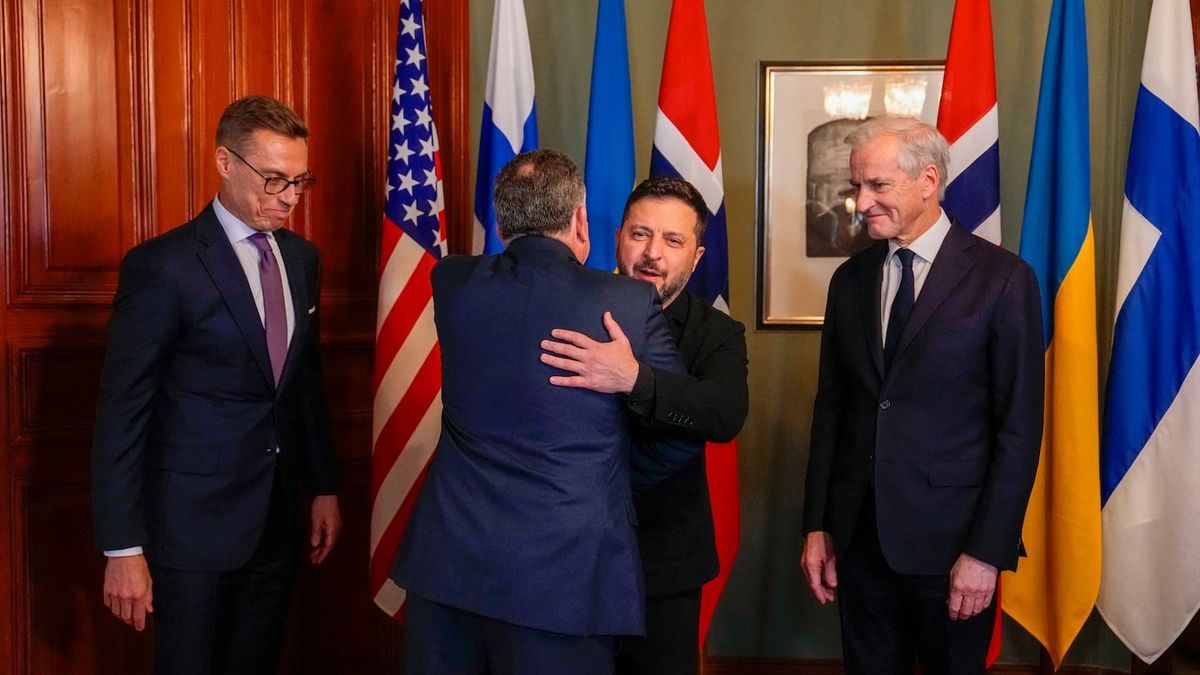
Ukrainian President Volodymyr Zelensky flew to Oslo on Oct. 20, 2026, to meet White House special envoy Steve Witkoff and, virtually, former president’s son‑in‑law Jared Kushner. The talks centered on accusations that the United States had cut off military‑grade Starlink service and was withholding Patriot missile deliveries. At the same time, President Donald Trump publicly downplayed Russia’s advances, suggested a new energy truce, and hinted at opening negotiations with Moscow and Beijing.
- Domestic politics in Washington: Trump’s poll numbers have been buoyed by promises to lower fuel prices. By pressuring Ukraine to concede on energy strikes, he hopes to showcase a “peace‑for‑price” narrative that resonates with voters tired of high gasoline costs. The diesel‑export deal with Lukoil serves as a symbolic win for his base, even as it undermines sanctions policy.
- Alliance calculus: European allies, especially the NATO members, rely on US security guarantees. Trump’s flirtation with Russia forces them to reassess contingency plans, potentially accelerating deeper EU defence integration or prompting a search for alternative partners.
- Economic leverage: The United States controls critical satellite bandwidth through SpaceX and the flow of advanced air‑defence systems. By throttling Starlink and delaying Patriot shipments, Washington can reward compliance or punish dissent, turning military aid into a bargaining chip.
- Russian strategy: Moscow benefits from any US hesitation. By keeping the West divided, Russia can consolidate gains on the front line, continue its energy‑infrastructure campaign, and extract concessions without fearing a unified NATO response.
- Information warfare: The public narrative—Trump calling Russia “fine” on Ukraine—serves to sow doubt about Kyiv’s legitimacy and to portray the conflict as a peripheral issue, diverting attention from domestic scandals.
The recent Russian missile barrage on Ukraine’s power grid left millions without electricity during winter months, forcing families into cramped shelters and increasing mortality from hypothermia. Hospitals reported a 30% rise in emergency admissions linked to power loss.
Ukrainian units equipped with outdated air‑defence systems faced the latest Russian drone swarm without the promised Patriot interceptors, resulting in higher casualty rates and loss of critical equipment.
Fuel price spikes, partly attributed to the US‑Russia diesel deal, have pushed the cost of living in Kyiv above 12% year‑over‑year, eroding real wages and prompting a wave of protests among market workers and pensioners.
Ukrainian communities abroad, especially in Poland and Germany, report rising anxiety as news of dwindling US support circulates, leading to increased demand for mental‑health services and community aid.
- Intelligence withholding: Official statements claim “routine security protocols” for the Starlink suspension, yet multiple senior US officers have hinted at a deliberate decision to limit Kyiv’s situational awareness, a move designed to pressure Ukraine into accepting a US‑favoured ceasefire.
- Corporate influence: Elon Musk’s SpaceX contracts with the Pentagon have grown exponentially under the Trump administration. The timing of the Starlink cut aligns with a pending contract renewal, suggesting financial motives are being masked as strategic choices.
- European alarm muted: While European leaders privately express alarm, public diplomatic communiqués downplay the discord, framing it as “constructive dialogue” to avoid signaling a split within the alliance.
- Kushner’s back‑channel role: Kushner’s virtual presence was portrayed as a “family‑to‑family” outreach, but internal memos reveal he was tasked with exploring a joint US‑Russia‑China framework for post‑war reconstruction, effectively sidelining Kyiv’s input.
- US legislative response: Expect hearings in the House Armed Services Committee on the Starlink suspension and Patriot deliveries; bipartisan pressure could force a policy reversal before the next election cycle.
- European defence spending: Watch for accelerated EU defence fund allocations, especially toward indigenous satellite communications and air‑defence capabilities, as a hedge against US unreliability.
- Russian diplomatic moves: Moscow may use Trump’s overtures to propose a formal “energy truce” at the upcoming UN General Assembly, testing whether the West will accept a Russia‑led settlement.
- Kushner’s next steps: Any public appearance by Kushner in Moscow or Beijing will signal the depth of the back‑channel talks and could reshape the geopolitical landscape beyond Ukraine.
- Domestic Ukrainian sentiment: Upcoming opinion polls in Kyiv will reveal whether the public’s tolerance for US‑led negotiations is eroding, potentially influencing Zelensky’s future diplomatic posture.
Officials say it was a technical security measure, but leaked reports suggest the decision was used to pressure Kyiv into accepting a US‑favoured ceasefire.
His rhetoric creates uncertainty within the alliance, prompting European members to consider independent defence initiatives and alternative communication systems.
Millions face power outages in winter, leading to increased health risks, higher living costs, and a surge in public protests against the war’s toll.
Source referenced: FOREIGNPOLICY
This brief was synthesized by our Editorial Engine and reviewed by The Ground Narrative team.