TRENDING

Wednesday, 21 October 2026
----------------------
10 Jumada Al-Awwal 1448 AH
President Trump’s latest overture to Russia leaves Kyiv scrambling for electricity and intelligence. Zelensky’s diplomatic push in Oslo reveals how ordinary Ukrainians bear the brunt of high‑level power plays.
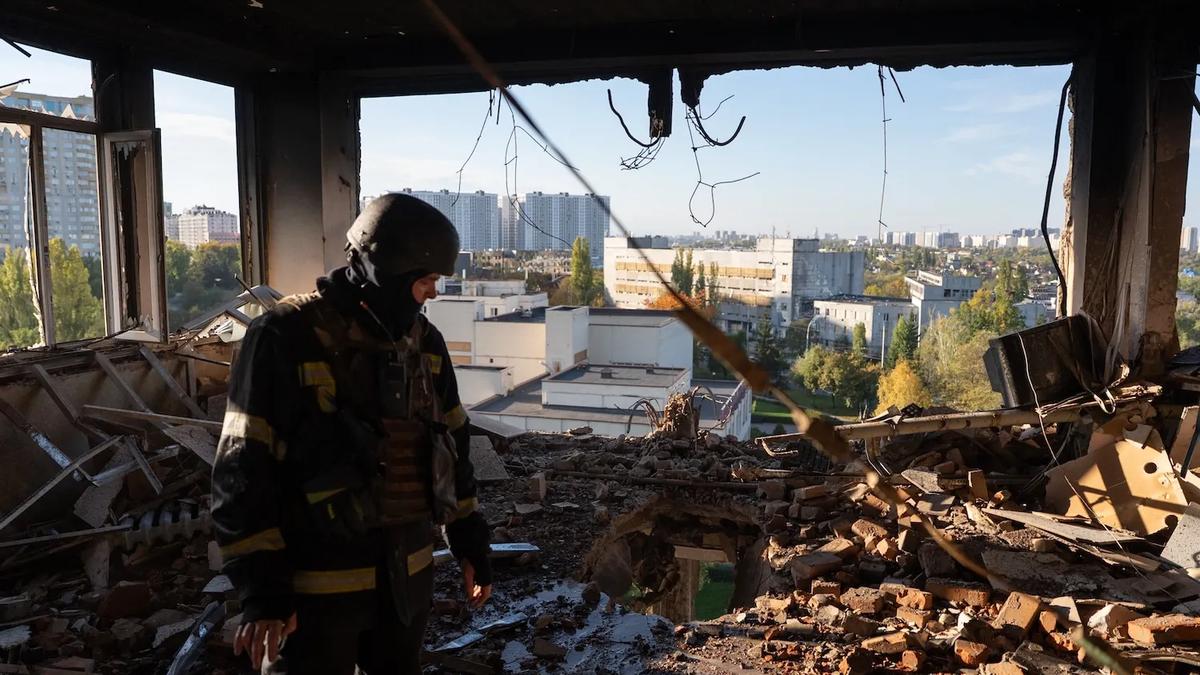
On October 20, 2026, former U.S. President Donald Trump announced he was open to talks with Russia and China about the future of Ukraine, claiming Moscow had been “fine” on the battlefield. The statement came as Russian drones and missiles intensified attacks on Ukrainian hospitals, schools, and the energy grid. In Oslo, Volodymyr Zelensky pleaded for the full restoration of Starshield, SpaceX’s military‑grade internet service, and for the delivery of Patriot air‑defence missiles, warning that half a million citizens were already without power.
Trump’s reversal is less about a sudden change of heart and more about the convergence of domestic electoral calculus, energy market pressures, and the strategic calculus of the war. With U.S. midterm elections looming, the former president faces a voter base angry over soaring gasoline and diesel prices. By criticizing Ukraine’s long‑range strikes on Russian refineries—strikes that have slashed Moscow’s export earnings—Trump signals to energy‑dependent swing states that he will protect their wallets.
At the same time, SpaceX and defense contractors stand to profit from a prolonged conflict that keeps Starshield and Patriot systems in high demand. The U.S. administration’s hesitation to fully fund these programs reflects a cost‑benefit analysis that weighs congressional approval, lobbying pressure, and the risk of escalating a direct confrontation with Moscow.
For Russia, the winter‑time barrage on Ukraine’s power infrastructure serves a dual purpose: it strains Kyiv’s civilian morale and complicates the flow of European electricity aid. By targeting high‑voltage transmission lines, Russian forces force Ukraine to rely on imports that must travel longer, more vulnerable routes, buying Moscow time to consolidate gains on the front.
Ukraine, meanwhile, has hardened its own grid, decentralising generation with renewables and shielding critical nodes. Yet the city of Kyiv remains a soft spot; all three of its power plants are offline, and the capital now depends on distant generators that are easy targets for Russian drones. Zelensky’s diplomatic outreach to the United States and the European Union is a bid to lock in the very technologies—high‑bandwidth communications, real‑time intelligence, and advanced air‑defence—that can keep the grid alive through the coming cold months.
When a substation in Kyiv is knocked out, the city’s tram network stalls, hospitals switch to backup generators, and families huddle around candles. The United Nations reports that more than 300 civilians were killed in October alone, a stark increase driven largely by attacks on energy facilities that leave hospitals without heat or power.
Beyond the capital, villages in the east and south face a different nightmare. With two‑thirds of pre‑war electricity capacity gone, farmers cannot run irrigation pumps, food processors lose refrigeration, and schools operate without lighting. The loss of reliable power forces many to migrate to larger towns, straining already‑overcrowded shelters.
Medical staff are forced to triage patients in dimly lit wards, relying on diesel generators that sputter when fuel deliveries are disrupted by Russian strikes on transport corridors. The cumulative stress has led to a rise in burnout, and the World Health Organization warns that winter‑related illnesses could surge if heating remains intermittent.
Officially, the Trump administration frames its openness to talks as a diplomatic shortcut to peace. What is omitted is the timing: the statement coincides with a spike in U.S. fuel prices and a surge in anti‑immigrant rhetoric that rallies his base. By casting Russia as a “reasonable” partner, the administration downplays the strategic advantage Moscow gains from a weakened Ukrainian grid.
SpaceX benefits from the continued classification of Starshield as a critical military asset. The company’s contracts with the Pentagon have ballooned since 2022, and any limitation on the service directly reduces its revenue stream. Similarly, manufacturers of Patriot missiles see a market that expands with each new Ukrainian request for interceptors, yet the U.S. hesitates to approve transfers that could provoke a direct clash with Russian air‑defence.
European nations publicly pledge billions in electricity aid, but the damaged transmission network limits the effectiveness of those funds. The narrative of a united West masks the reality that many EU capitals are reluctant to push the U.S. into a deeper commitment, fearing escalation that could jeopardise energy security at home.
- U.S. election fallout: If Trump’s rhetoric translates into policy, expect a slowdown in high‑tech aid to Kyiv and a possible softening of sanctions on Russian energy exports.
- Starshield negotiations: The next round of talks in Oslo will reveal whether the United States will lift technical restrictions on the satellite internet service, a linchpin for Ukraine’s command‑and‑control.
- Patriot delivery timeline: European pressure may force Washington to approve additional interceptor shipments before the winter heating season peaks.
- Russian targeting patterns: An uptick in attacks on transmission corridors signals Moscow’s intent to keep Ukraine in the dark, a tactic that could force Kyiv to seek alternative, less efficient energy sources.
- Civilian displacement data: Monitoring internal migration flows will indicate how power outages are reshaping Ukrainian demographics and could influence post‑war reconstruction priorities.
By watching these threads, ordinary readers can see how high‑level diplomatic posturing directly shapes the lights that flicker in Ukrainian homes each night.
Starshield provides encrypted, high‑speed communications that keep Ukrainian forces coordinated and allow real‑time intelligence sharing with allies. Without it, command networks become vulnerable to Russian electronic warfare.
Damaged transmission lines force electricity to travel longer routes, limiting the amount Europe can deliver and making repairs riskier. This reduces the overall effectiveness of aid despite generous funding.
Upcoming midterm elections have pushed Trump to highlight fuel price concerns, prompting him to criticize Ukraine’s strikes on Russian refineries. This political pressure translates into a more cautious U.S. stance on military assistance.
Editor's Note: Analysis based on publicly available reports and expert commentary up to October 2026.
Source referenced: FOREIGNPOLICY
This brief was synthesized by our Editorial Engine and reviewed by The Ground Narrative team.