TRENDING

Wednesday, 21 October 2026
----------------------
10 Jumada Al-Awwal 1448 AH
Political campaigns and lobby groups are paying social media creators minimal amounts to push political messages, often without disclosure. This opaque system allows powerful actors to subtly influence public opinion and election outcomes.
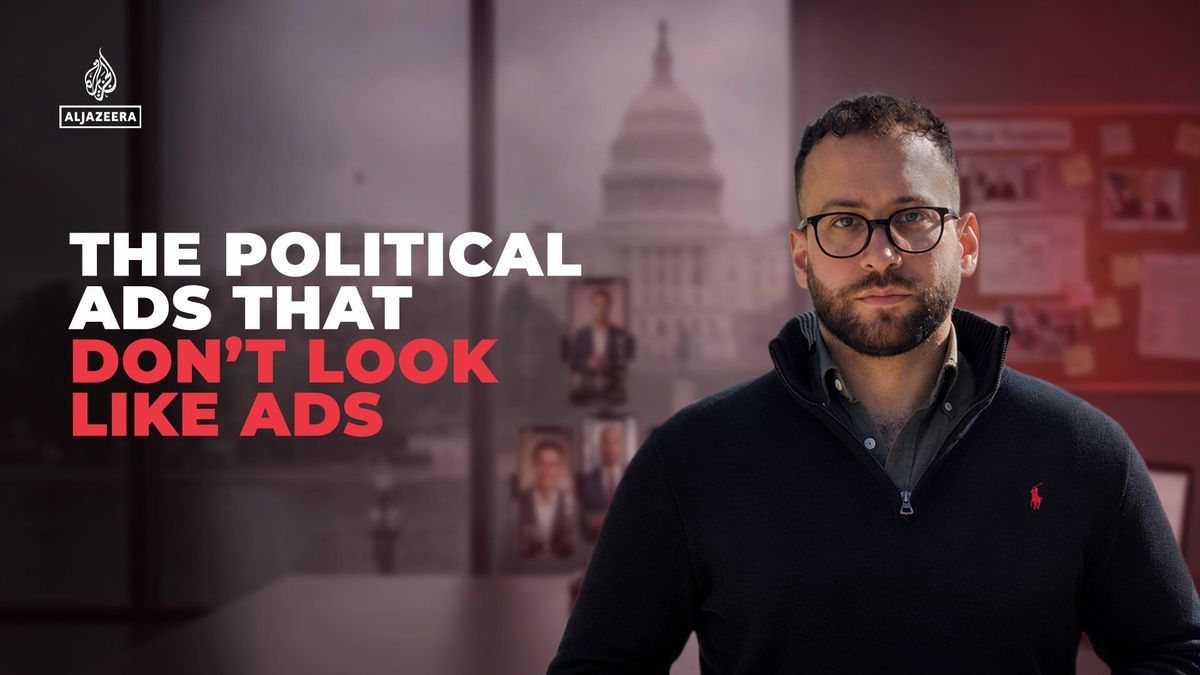
In a rapidly evolving landscape of digital advocacy, political campaigns and lobby groups in the United States have adopted a highly opaque strategy to influence public opinion, particularly targeting midterm elections. They are reportedly paying social media content creators as little as $25 to produce and disseminate videos designed to sway voters. The critical element of this tactic is its deliberate lack of transparency: the content is crafted to appear as authentic, organic posts from independent creators, rather than paid political advertisements. This makes it exceedingly difficult for the average viewer to discern that they are being exposed to sponsored political messaging, effectively bypassing traditional disclosure requirements and leveraging the perceived authenticity of social media influencers for political gain.
The shift towards covert online influence reflects a calculated adaptation by powerful actors to the digital age, exploiting the very architecture of social media and the psychology of its users. The mechanics at play are multifaceted, driven by a confluence of economic incentives, regulatory loopholes, and the inherent trust users place in individual creators over traditional institutions.
For political campaigns and lobby groups, this strategy offers an unparalleled blend of cost-effectiveness and persuasive power. Traditional political advertising, particularly on television or major digital platforms with strict disclosure rules, can be prohibitively expensive and often carries a stigma of overt persuasion. By contrast, paying a multitude of micro-influencers small sums allows for a highly granular and scalable approach. A $25 payment per video, when replicated across thousands of creators, can generate a massive volume of content that appears organic and therefore more trustworthy. This approach circumvents the public's skepticism towards traditional political ads, leveraging the parasocial relationships many users have with their favorite creators. The message feels less like an advertisement and more like a personal recommendation or an opinion from a trusted voice, significantly increasing its persuasive impact.
Social media platforms are designed to amplify engaging content, and videos from individual creators often perform well within these algorithms. This means that a single paid post, if it resonates with an audience, can quickly go viral, reaching exponentially more users than its initial investment would suggest. The platforms themselves, while often claiming to combat misinformation and promote transparency, face a constant challenge in identifying and regulating this type of covert content, especially when it comes from a vast network of small accounts. Existing campaign finance and advertising disclosure laws were largely designed for a pre-digital era, struggling to keep pace with the rapid innovation in online influence tactics. This regulatory vacuum creates a fertile ground for political actors to operate in the shadows, exploiting ambiguities to avoid accountability.
The rise of the
Political campaigns and lobby groups pay social media content creators, often small amounts like $25, to produce videos that promote specific political messages. These videos are designed to appear as authentic, independent content from the creator, bypassing traditional advertising disclosure rules and leveraging the creator's perceived trustworthiness.
The difficulty arises from the deliberate lack of transparency. The content is crafted to blend seamlessly with organic posts, without clear labels indicating it's paid political advertising. Viewers often trust individual creators more than traditional ads, making them less likely to question the source or intent of the message.
Long-term consequences include the erosion of democratic integrity as voters make decisions based on manipulated information, increased societal polarization, and a pervasive distrust in online information sources. It also normalizes a transactional relationship with truth and authenticity, potentially undermining critical thinking and informed public discourse globally.
Editor's Note: The analysis is based on the provided raw intelligence regarding US midterm elections, contextualized within broader trends of digital influence and power dynamics.
Source referenced: ALJAZEERA
This brief was synthesized by our Editorial Engine and reviewed by The Ground Narrative team.