TRENDING

Wednesday, 21 October 2026
----------------------
10 Jumada Al-Awwal 1448 AH
Oxfam’s latest study shows the top 1 % in Peru captured 42 % of new wealth from 2019‑2025, while the poorest half saw barely 1.4 %. The report uncovers how political churn and elite networks fuel the gap, leaving ordinary citizens to shoulder the cost.
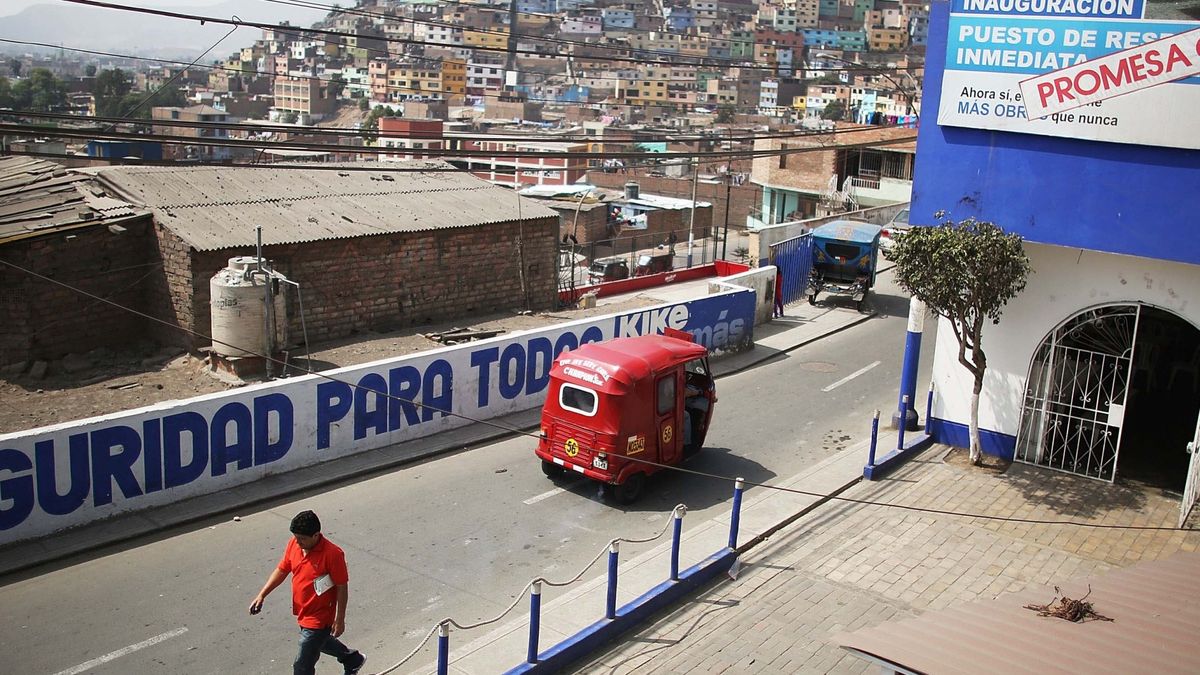
The nonprofit Oxfam released a data‑driven report indicating that between 2019 and 2025 the richest 1 % of Peru amassed 42 % of all newly generated wealth. By contrast, the bottom half of the population captured just 1.4 % of that growth. The study, produced with the Institute for Peruvian Studies, also found that 84 % of Peruvians believe powerful interests dominate politics, and roughly 70 % want the government to act against inequality. The findings arrive amid a decade‑long carousel of presidents, most recently right‑wing leader Keiko Fujimori, whose narrow victory followed a series of impeachments, protests, and a crackdown on dissent.
The concentration of wealth is not a spontaneous market outcome; it reflects a web of entrenched elites who shape tax policy, regulatory frameworks, and public contracts. Large corporations and wealthy families routinely lobby for lower tax rates and exemptions, a practice that the Oxfam survey linked to the perception that “the rich avoid paying their fair share.”
Peru has cycled through nine presidents in ten years, a turbulence that paradoxically strengthens a narrow business‑political elite. Frequent impeachments and the ambiguous “moral incapacity” clause give Congress a tool to reset executive power, often in exchange for concessions to influential donors. This churn weakens institutional checks, allowing the same circle of financiers to negotiate favorable terms regardless of who occupies the palace.
Since 2022, Freedom House downgraded Peru from “free” to “partly free,” citing crackdowns on protests and the hollowing out of anti‑corruption watchdogs. Judicial independence has been eroded, limiting the ability of courts to hold powerful actors accountable. The resulting vacuum lets both licit and illicit interests operate with impunity, reinforcing wealth capture.
The poorest 50 % of Peruvians saw less than two percent of new wealth, translating into stagnant wages, limited upward mobility, and deteriorating public services. Health clinics in rural districts remain under‑staffed, while urban informal settlements lack reliable electricity and clean water.
Indigenous communities, already excluded from formal education and legal representation, face heightened vulnerability. The Freedom House report highlighted that these groups are denied full political rights, making it harder for them to contest land grabs or demand equitable resource distribution.
When large swaths of the population perceive the system as rigged, a dangerous fatalism sets in. Survey respondents expressed that inequality feels like a “natural order,” a mindset that can dampen civic engagement and fuel sporadic protests that are met with heavy police force, further eroding trust in democratic institutions.
Official statements from the Fujimori administration emphasize macro‑economic stability and foreign investment, downplaying the stark wealth gap. By framing inequality as a long‑term structural issue rather than a policy choice, the government sidesteps responsibility for tax reforms or social spending.
Major mining and agribusiness firms have quietly lobbied for tax holidays and relaxed labor standards, banking on the political chaos to avoid scrutiny. Their contributions to campaign financing are rarely disclosed, obscuring the financial ties that bind legislators to private profit.
Foreign investors and multilateral lenders portray Peru as a growth market, highlighting GDP figures while ignoring distributional outcomes. This narrative attracts capital that fuels further wealth concentration without compelling the state to enforce progressive taxation or social safeguards.
- Legislative reforms: Watch for any bills aimed at tightening tax loopholes or strengthening anti‑corruption agencies, especially as the new Congress convenes after the 2026 elections.
- Social movements: Grassroots coalitions of labor unions, Indigenous groups, and urban community organizers are planning coordinated demonstrations demanding universal health and education access.
- International pressure: The IMF and World Bank’s upcoming reviews could push Peru to adopt more inclusive fiscal policies, but only if civil society can amplify the Oxfam findings on the global stage.
- Political realignment: The performance of Keiko Fujimori’s party in the upcoming mid‑term elections will indicate whether the electorate continues to favor elite‑aligned leadership or seeks an alternative platform.
- Media coverage: Monitor how state‑linked media frame the wealth gap versus independent outlets; shifts in narrative can signal emerging political space for reform.
By tracking these dynamics, readers can gauge whether Peru’s inequality will deepen into a permanent structural fault line or become a catalyst for a more equitable political bargain.
According to Oxfam, the richest 1 % captured 42 % of all newly generated wealth in that period, while the poorest half received just 1.4 %.
A mix of tax avoidance, lobbying for favorable regulations, weakened judicial oversight, and frequent political turnover have created a narrow elite that steers policy in its favor.
The poor face limited access to health, education, and clean water; Indigenous peoples are excluded from political rights; and widespread fatalism erodes civic participation.
Source referenced: ALJAZEERA
This brief was synthesized by our Editorial Engine and reviewed by The Ground Narrative team.