TRENDING

Wednesday, 21 October 2026
----------------------
10 Jumada Al-Awwal 1448 AH
NATO has dispatched extra patrol aircraft to the Black Sea following a series of deadly drone strikes blamed on Russia. The move reshapes regional security while ordinary sailors and grain exporters bear the brunt.
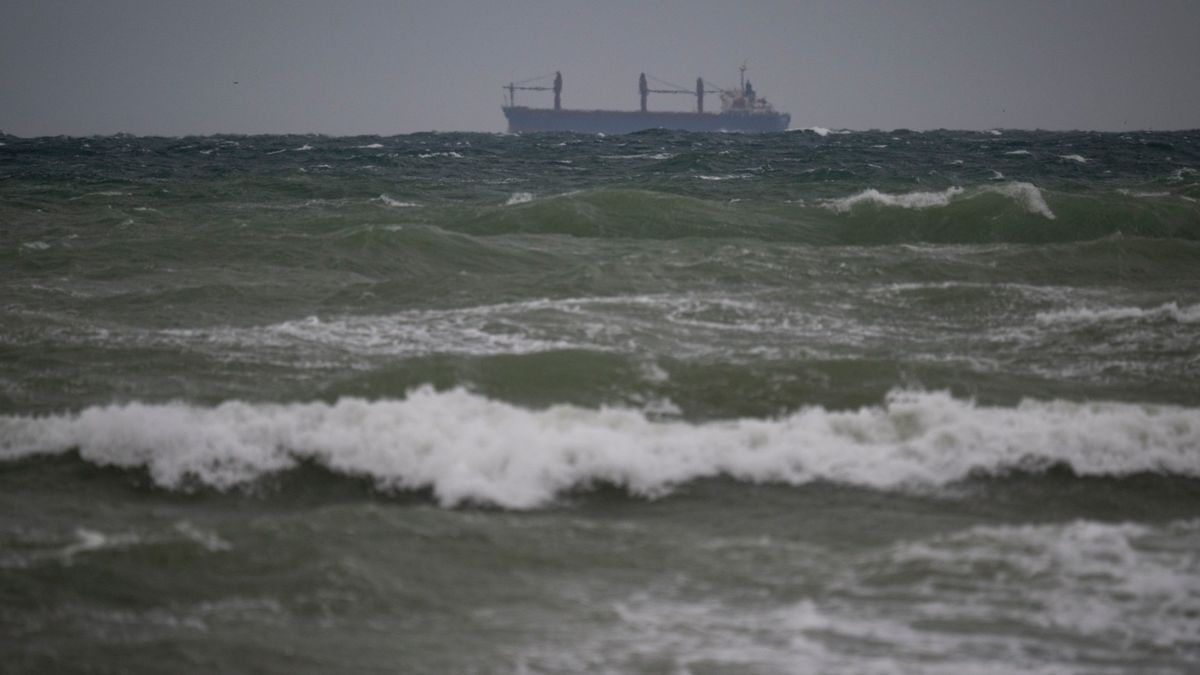
On October 5, a cargo vessel under the Romanian flag caught fire and sank after a suspected drone strike in the Black Sea. Within ten days, at least five more merchant ships were hit, seven sailors went missing, and two chemical tankers near Romania ignited. In response, NATO announced the deployment of additional maritime patrol aircraft, radar units, and intelligence teams to the region, emphasizing heightened situational awareness while stopping short of formally attributing the attacks.
The surge of unmanned attacks sits at the intersection of several strategic calculations. First, Russia seeks to pressure Ukraine by choking off grain exports that fund Kyiv’s war effort, using the Black Sea’s narrow shipping lanes as a lever. Second, the EU depends on those same shipments to stabilize global food markets already strained by droughts and Middle‑East conflicts; any disruption reverberates far beyond Europe. Third, NATO faces a credibility test on its eastern flank: member states like Bulgaria and Romania demand tangible protection, yet the alliance must balance escalation risks with the need to deter further aggression. Deploying patrol aircraft serves a dual purpose—projecting resolve without committing combat forces that could trigger a broader confrontation. The move also feeds into a longer‑term shift toward integrated sensor networks, where data sharing among allies becomes a force multiplier, reducing the cost of maintaining a constant presence while keeping the Russian navy under surveillance.
The most immediate victims are the crews of the struck vessels. Twenty‑three sailors have been reported dead or missing, leaving widows, children, and aging parents to navigate bureaucratic mazes for compensation. In coastal towns of Romania and Bulgaria, fishing families watch their livelihood shrink as insurers raise premiums on routes now deemed high‑risk.
Port cities such as Constanța and Varna rely on steady cargo flows to sustain jobs in logistics, warehousing, and ship repair. Each delayed or canceled shipment translates into lost wages for dockworkers and reduced tax revenues for municipal budgets already stretched by inflation. The ripple effect reaches inland farmers who depend on Black Sea ports to export grain, threatening seasonal income and increasing food prices for local consumers.
Beyond the Black Sea’s shoreline, the world feels the shock. Ukraine supplies roughly 20% of global wheat; any curtailment forces importing nations in the Middle East and Africa to turn to more expensive alternatives, inflating household budgets and sparking social unrest. The food supply strain compounds existing drought‑driven shortages, making the drone campaign a weapon with consequences far beyond the immediate theater.
While most analysts point to Russia as the likely perpetrator, the Kremlin publicly rejects involvement, framing the incidents as accidents or the work of “unknown actors.” This denial serves two purposes: it shields Moscow from direct retaliation under NATO’s collective defense clause and preserves plausible deniability for future covert operations.
Alliance spokespeople stress that the added patrols are defensive, emphasizing “situational awareness” rather than offensive intent. By avoiding language that suggests a direct confrontation, NATO hopes to keep diplomatic channels open with Moscow and prevent the Black Sea from becoming a flashpoint that could draw in non‑NATO states.
International coverage often highlights the potential impact on grain exports, casting the attacks as a geopolitical tug‑of‑war over food markets. This framing can eclipse the personal tragedies of missing sailors and the economic anxiety of port communities, allowing policymakers to discuss abstract supply‑chain metrics while sidelining the human stories that drive public pressure.
Observers should track three developing threads. First, the scale and composition of NATO’s air and sensor assets: whether the alliance will station permanent bases or rotate assets seasonally will indicate its long‑term commitment. Second, any shift in Russian tactics, such as moving from low‑altitude drones to longer‑range loitering munitions, could raise the stakes and force a recalibration of NATO’s rules of engagement. Third, the legal discourse around maritime drone attacks—particularly how international law interprets state responsibility for autonomous weapons—will shape future diplomatic negotiations and potentially set precedents for other contested waterways.
The alliance is responding to a spike in drone attacks on merchant vessels that threaten regional trade and grain shipments, aiming to boost surveillance and deter further aggression without committing combat forces.
Most military analysts attribute the attacks to **Russia**, which denies involvement. The Kremlin’s denial helps avoid direct NATO retaliation while still achieving strategic pressure on Ukraine.
Disruptions to Ukrainian grain exports through the Black Sea raise global wheat prices, hitting import‑dependent regions in the Middle East and Africa and worsening existing food‑security challenges.
Source referenced: ALJAZEERA
This brief was synthesized by our Editorial Engine and reviewed by The Ground Narrative team.