TRENDING

Sunday, 4 October 2026
----------------------
23 Rabi' Al-Thani 1448 AH
Israel is systematically removing millions of tons of rubble from Gaza, an operation human rights groups warn could be erasing evidence of war crimes and permanently altering the territory to prevent Palestinian return.
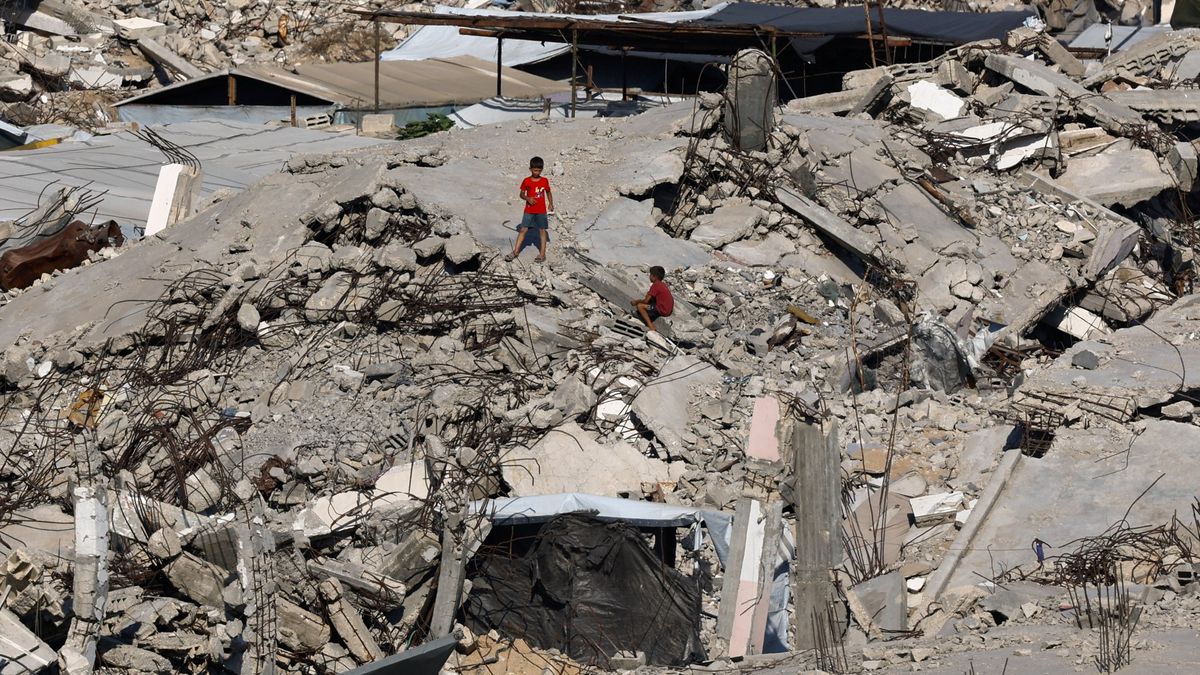
Since October 2023, the Gaza Strip has endured widespread destruction, leaving behind an estimated 68 million tonnes of rubble. In a systematic, large-scale operation, the Israeli military is now crushing, mixing, and transporting millions of tonnes of this debris out of Gaza. Approximately 10 million tonnes have already been removed, with hundreds of heavy machinery pieces and nearly 100 trucks daily moving material into undisclosed sites within Israel and the occupied West Bank.
This massive undertaking is more than just a clean-up; it represents a profound exercise of power with multiple strategic objectives. First, it leverages Israel's unchallenged military control over the enclave to physically reshape the territory. By systematically destroying and removing the physical remnants of Palestinian life—house foundations, street networks, and land boundaries—it aims to strip Palestinians of the markers of ownership and memory. This 'urban engineering' serves as an extreme form of collective punishment, making vast areas unlivable and unbuildable, thereby impeding any future return of displaced populations. Second, the operation carries significant legal implications. Human rights monitors suggest the removal and fragmentation of rubble, which may contain missile fragments, ammunition, and human remains, could be a deliberate attempt to destroy crucial evidence for future accountability, particularly concerning the International Court of Justice's ongoing genocide case against Israel. This pre-emptive erasure of crime scenes challenges the very foundation of international justice.
The primary human cost of this operation falls squarely on the Palestinian population. For families, the systematic removal of rubble means the potential permanent loss of an estimated 8,500 missing individuals, whose bodies may be crushed or scattered without forensic examination. This denies families the right to mourn, identify, and bury their loved ones, adding a daily tragedy to their initial loss. Beyond the immediate grief, the destruction of physical landmarks and historical burial sites erases collective memory and identity, deepening the trauma of displacement. The alteration of the urban landscape also directly undermines any prospect of return for hundreds of thousands of Palestinians, effectively making their homes and communities uninhabitable. This creates a de facto demographic shift, leaving entire populations in a state of perpetual limbo and dependency.
While rubble removal is an inevitable part of any post-conflict scenario, the scale, systematic nature, and lack of transparency surrounding this operation are deeply concerning. What is largely unaddressed by official statements is the potential for this process to serve as a precursor for future Israeli settlement efforts in Gaza, a long-held aspiration among certain segments of Israeli society. By rendering areas unbuildable for Palestinians and erasing land markers, the ground is literally being cleared for alternative uses. Furthermore, the international community's limited capacity or willingness to monitor and intervene in real-time allows this reshaping to proceed largely unimpeded. The absence of an independent, internationally supervised mechanism for rubble management, forensic investigation, and evidence preservation means that critical opportunities for accountability and justice are being lost with every truckload.
Readers should closely watch the ongoing proceedings at the International Court of Justice and how allegations of evidence destruction are addressed. Any future proposals for Gaza's reconstruction will be critical, particularly concerning land ownership and the right of return for displaced Palestinians; the current operation may render many such proposals moot. Observe independent satellite imagery and ground reporting for further verification of the rubble's final destinations and any subsequent land-use changes within Israel or the occupied West Bank. Finally, the response of international bodies and human rights organizations to these developments will indicate the global community's resolve, or lack thereof, in upholding international law and ensuring accountability in the face of widespread destruction and potential demographic engineering.
Source referenced: ALJAZEERA
This brief was synthesized by our Editorial Engine and reviewed by The Ground Narrative team.