TRENDING

Saturday, 3 October 2026
----------------------
22 Rabi' Al-Thani 1448 AH
The UAE, Saudi Arabia, and six other countries have condemned Israel's rejection of the Trump Gaza peace plan, which aimed to end the war in the Gaza Strip. The plan's rejection has significant implications for the region's stability and the humanitarian crisis in Gaza.
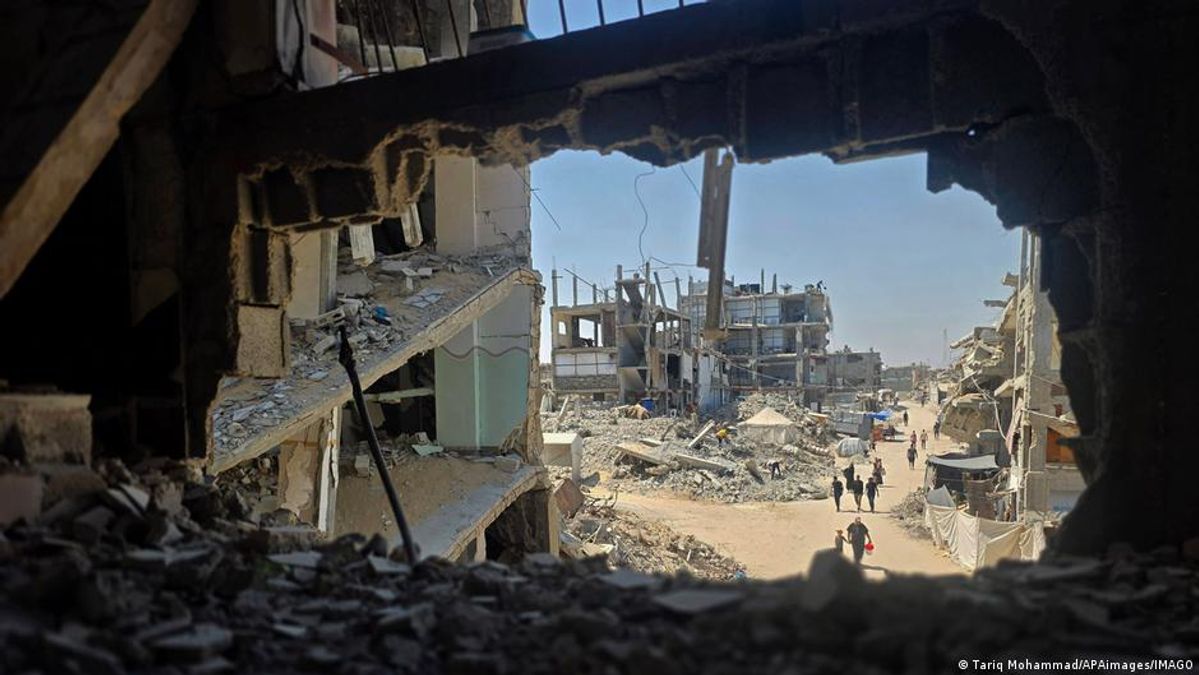
The United Arab Emirates, Saudi Arabia, and six other countries have condemned Israel's rejection of the Trump Gaza peace plan. The plan, announced last month, aimed to end the war in the Gaza Strip through a 15-point road map. Israeli Prime Minister Benjamin Netanyahu rejected the plan, stating that no military pullout will happen until Hamas is disarmed.
The rejection of the peace plan is a significant blow to the Trump administration's efforts to broker a lasting peace in the region. The plan's failure is a result of the complex power dynamics at play, with Israel, Hamas, and the US having different interests and priorities. The US has been trying to balance its relationship with Israel, a key ally, while also attempting to address the humanitarian crisis in Gaza. The UAE, Saudi Arabia, and other countries have been trying to exert their influence in the region, while also addressing their own security concerns.
The rejection of the peace plan has significant implications for the people of Gaza, who have been living under Israeli occupation for decades. The Gaza Strip is one of the most densely populated places on earth, with over 2 million residents. The ongoing conflict has resulted in significant humanitarian suffering, with many residents lacking access to basic necessities like food, water, and healthcare. The rejection of the peace plan means that the people of Gaza will continue to suffer, with no end in sight to the conflict.
What is being downplayed in the official statements is the role of the US in the conflict. The Trump administration has been trying to present itself as a neutral broker, but its actions have been widely seen as biased towards Israel. The US has been providing significant military aid to Israel, while also trying to cut aid to the Palestinians. The rejection of the peace plan is a result of this bias, with Israel feeling emboldened to reject the plan due to its close relationship with the US. The UAE, Saudi Arabia, and other countries are also downplaying their own role in the conflict, with many of them having significant economic and strategic interests in the region.
The next few weeks will be crucial in determining the future of the peace process. The US will likely try to salvage the plan, with Jared Kushner and other officials meeting with Israeli and Palestinian leaders. The UAE, Saudi Arabia, and other countries will also continue to exert their influence, with many of them trying to find a way to address the humanitarian crisis in Gaza. The people of Gaza will continue to suffer, with the conflict showing no signs of ending anytime soon. Readers should watch for any signs of a renewed peace effort, as well as any further escalation of the conflict.
Editor's Note: The analysis is based on publicly available information and may not reflect the full complexity of the situation on the ground.
Source referenced: DW
This brief was synthesized by our Editorial Engine and reviewed by The Ground Narrative team.