TRENDING

Monday, 21 September 2026
----------------------
10 Rabi' Al-Thani 1448 AH
Gaza’s walls are being repainted with murals that salute US rapper Macklemore, even as Israeli strikes continue despite a ceasefire. The art reveals how cultural gestures intersect with power, propaganda, and the daily survival of Palestinians.
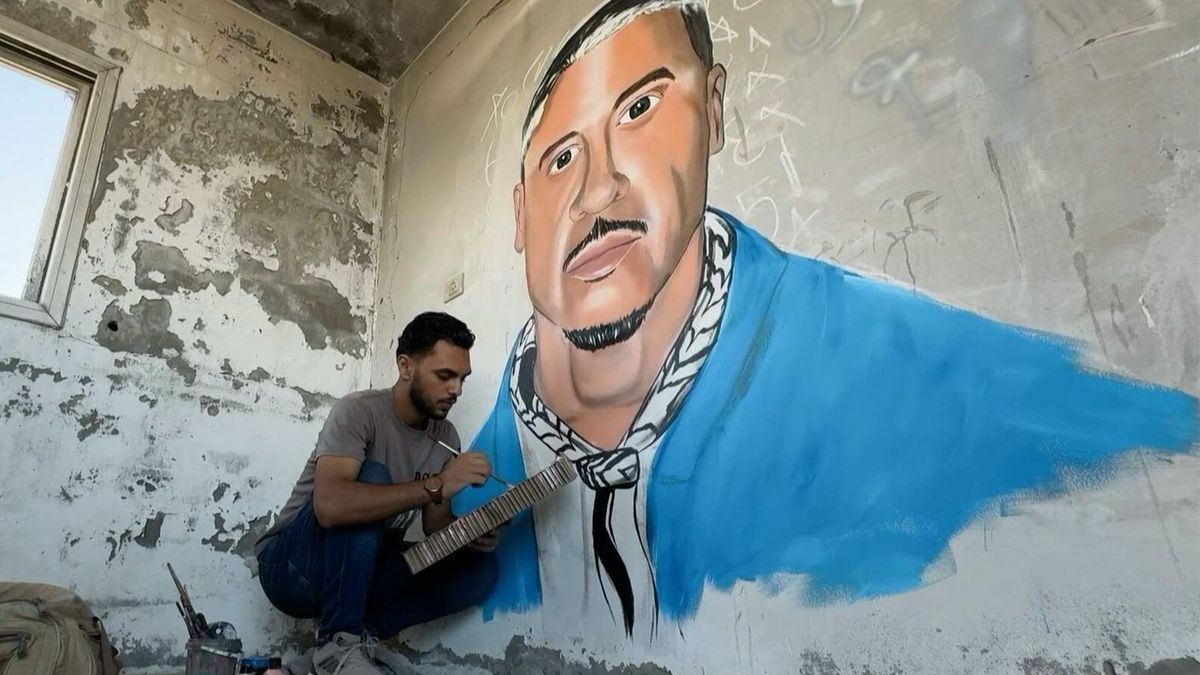
Artists in Gaza have begun covering bomb‑scarred walls with vivid murals that feature US rapper Macklemore, thanking him for his vocal support of the Palestinian cause. The work started weeks after a fragile ceasefire was declared, yet Israeli airstrikes have persisted, leaving the city’s infrastructure in ruins while the murals appear.
The gesture sits at the crossroads of several competing incentives. U.S. cultural influence—embodied by a mainstream artist—offers a low‑cost channel for soft power, allowing American audiences to see a personal, human‑scale connection to a distant conflict. For Israel, the continued military pressure serves domestic political survival; the government frames any pause as a tactical pause rather than a concession, preserving its narrative of deterrence. Hamas, meanwhile, leverages the murals to signal external solidarity, hoping to translate cultural applause into material aid or diplomatic pressure. The global music industry watches closely: aligning with a contentious cause can attract new listeners but also risk market backlash in regions sensitive to the Israel‑Palestine debate. Finally, social‑media platforms amplify the images, turning a local act of remembrance into a viral symbol that pressures governments to respond to public sentiment without altering core policy.
The artists themselves are ordinary Gazans—many of them teenagers who have lost homes, relatives, or both. Their work is a coping mechanism, a way to claim agency when most decisions are made far above their heads. Families living in the remaining shelters endure intermittent power, contaminated water, and the constant threat of another strike. Health workers, already stretched thin by years of blockade, now treat additional injuries from the renewed bombardments. The broader Palestinian economy, reliant on a crippled export sector, feels the knock‑on effect of any escalation, deepening poverty and food insecurity. Meanwhile, the tribute to Macklemore does little to alleviate the immediate material needs of these communities; it is a symbolic lifeline that underscores how ordinary lives are leveraged for international narratives.
U.S. officials have largely sidestepped the cultural moment, emphasizing diplomatic channels and security assistance to Israel while avoiding any mention of the murals. This omission serves a dual purpose: it prevents the administration from being drawn into a debate over artistic expression and it keeps the focus on strategic military aid rather than public opinion. Israeli spokespeople, in turn, downplay the significance of the murals, labeling them as isolated acts that do not reflect broader Palestinian sentiment. Corporate sponsors of streaming platforms have quietly reviewed Macklemore’s catalog for potential “controversial” content, illustrating how market forces can mute dissenting voices. The media framing—often limited to short clips of the murals—fails to explore the deeper economic desperation that drives artists to seek validation from a foreign celebrity.
Watch for three converging signals. First, any shift in U.S. congressional rhetoric that references cultural solidarity could translate into pressure on the State Department to condition aid on civilian protection measures. Second, Israeli military briefings may either intensify the narrative of “targeted” operations or, if civilian casualties rise, adopt a more defensive posture to manage international criticism. Third, Macklemore’s own platform—social media posts, concert setlists, potential collaborations with Palestinian NGOs—could become a flashpoint for broader cultural boycotts or, conversely, for a new wave of solidarity concerts that funnel funds into Gaza’s reconstruction. The durability of the murals themselves will also be a barometer: if they survive repeated strikes, they may evolve into a lasting visual archive of resistance; if they are erased, the episode may fade, leaving only a fleeting moment of global attention.
Source referenced: ALJAZEERA
This brief was synthesized by our Editorial Engine and reviewed by The Ground Narrative team.


