TRENDING

Wednesday, 4 November 2026
----------------------
24 Jumada Al-Awwal 1448 AH
On the eve of crucial US midterm elections, a strike on Iran and an abrupt cut to aid for Israel sent ripples through global power dynamics, revealing the tight interplay between domestic politics and international action.
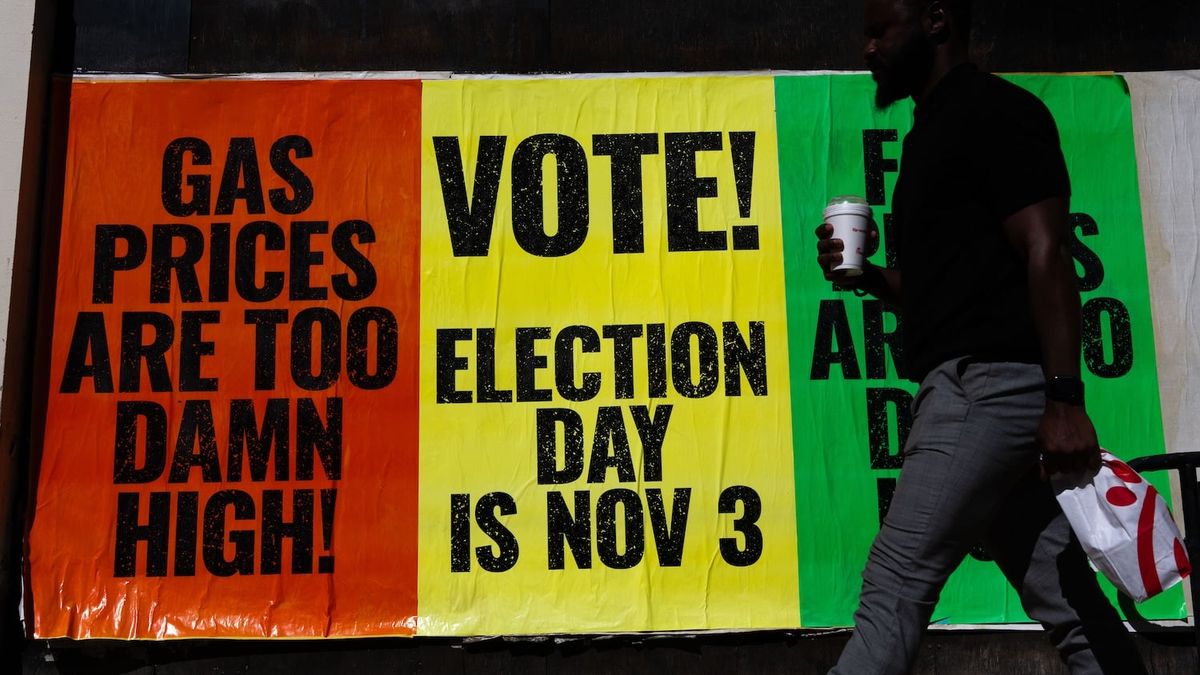
As Americans headed to the polls for critical midterm elections, the global stage saw a flurry of interconnected events. On election eve, the United States launched a strike against an anti-aircraft facility on Iran's Qeshm Island, which US officials described as a defensive measure against alleged planned missile strikes by Iran. This action followed Iran's offer to reopen the Strait of Hormuz under certain conditions, an offer that now appears unlikely to progress. Simultaneously, US President Donald Trump abruptly announced a plan to cut $4 billion in aid to Israel by year-end, a move that seemingly blindsided Israel's defense ministry despite claims of prior agreement. These developments unfolded against a backdrop of ongoing US troop repositioning and warnings to Gulf Arab countries about potential escalation in the Middle East.
Further afield, Russia confirmed its participation in new US-mediated peace talks with Ukraine in Abu Dhabi, even as it simultaneously bombed a humanitarian aid hub in Ukraine, killing dozens. Meanwhile, the United States announced the suspension of South Africa and Rwanda from the African Growth and Opportunity Act (AGOA) due to concerns over national security, human rights, and trade barriers. In Australia, the highest court began hearing challenges to a controversial law banning social Media for youth under 16, sparking a debate on digital rights and government oversight.
The events unfolding around US Election Day are a stark demonstration of how domestic political survival intertwines with international power plays. The US strike on Iran's Qeshm Island, framed by President Trump as a
The US described the strike on Iran's Qeshm Island as a defensive measure against alleged planned missile strikes. However, its timing on the eve of crucial US midterm elections suggests a potential link to domestic political considerations and the President's approval ratings regarding the conflict.
The abrupt announcement of a $4 billion aid cut to Israel could significantly impact Israel's defense capabilities and its strategic alliance with the US. While framed by the US as a policy shift, the move appears to be a politically calculated decision aimed at influencing US midterm election outcomes.
US elections often have a profound impact on global conflicts as foreign policy decisions, military actions, and international aid allocations can be influenced by domestic political pressures, electoral cycles, and a desire to project strength or address voter concerns about economic costs.
Source referenced: FOREIGNPOLICY
This brief was synthesized by our Editorial Engine and reviewed by The Ground Narrative team.