TRENDING

Monday, 5 October 2026
----------------------
24 Rabi' Al-Thani 1448 AH
The ongoing disruption in the Strait of Hormuz, sparked by US-Israeli actions against Iran, has created a global chokepoint, leading to fuel shortages and inflation across Africa. Despite bearing significant human and economic costs, African leaders remain largely silent on the crisis's origins, revealing the complex power dynamics at play.
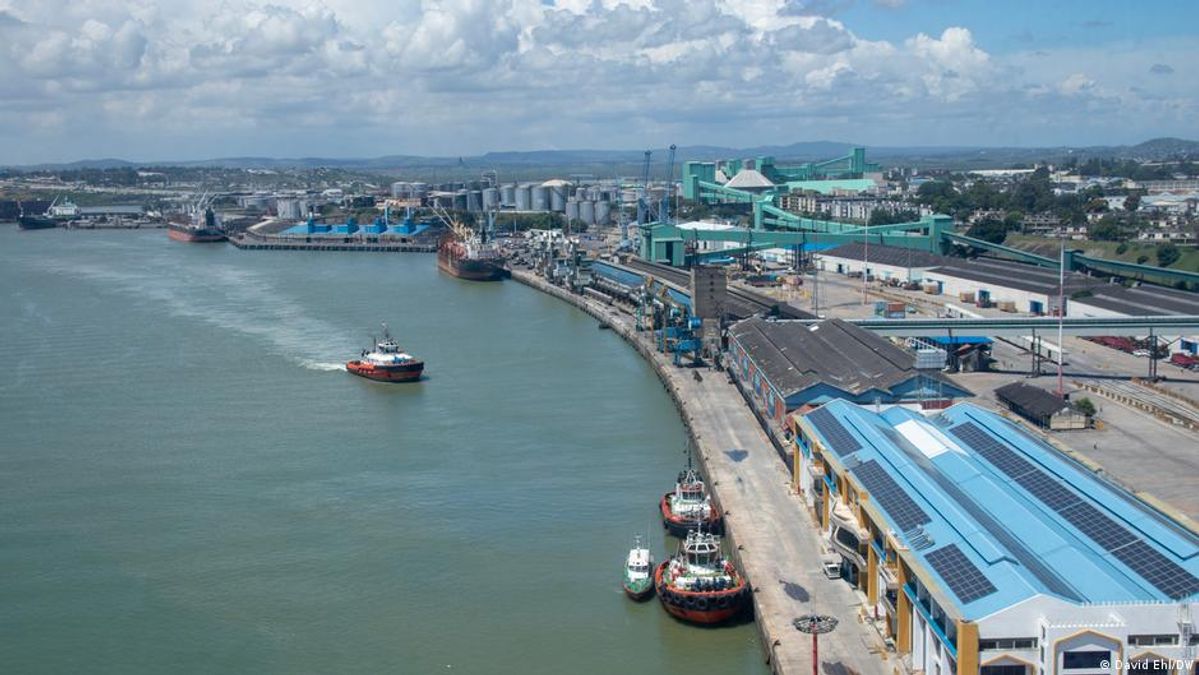
For nearly six months, the Strait of Hormuz, a critical artery for global trade, has been severely disrupted. Following initial US-Israeli airstrikes on Iran in late February, maritime traffic has dwindled, with cargo ships facing threats or direct fire from Iranian forces. This volatile situation has not only sent fossil fuel prices soaring worldwide but has also created severe bottlenecks, leading to widespread shortages and rising inflation, particularly across the African continent. From long queues at gas stations to concerns over this year's harvests due to fertilizer scarcity, the distant conflict has had immediate and tangible consequences for ordinary Africans.
The instability in the Strait of Hormuz is a direct consequence of the escalating confrontation between the United States, its allies (including Israel and Gulf states), and Iran. The initial US-Israeli actions against Iran set off a chain reaction, with Tehran responding by disrupting shipping in the vital waterway. African nations, while geographically distant, are economically intertwined with global supply chains, making them acutely vulnerable to such disruptions. However, their diplomatic response has been markedly cautious, characterized by calls for negotiation and adherence to international rules, rather than direct criticism of the primary actors. This measured approach stems from a stark power imbalance: many African governments fear the economic and political repercussions of openly blaming powerful global players like the United States for initiating the crisis. As one analyst noted, the "elephant in the room" is the initial decision by the US president and Israeli prime minister to launch strikes, yet leaders worldwide "fear the consequences of their speech." This fear underscores the enduring leverage wielded by major powers, effectively shaping the discourse even among those bearing the brunt of the fallout. The African Union, a potential voice for the continent, remains largely divided and hesitant to take a unified stance on such contentious foreign policy issues, further limiting collective action.
The human cost of the Strait of Hormuz crisis is borne disproportionately by ordinary citizens in Africa. In countries like Ethiopia, which was once a significant trading partner with Iran, fuel shortages have forced gas stations to close, leaving private citizens stranded and disrupting essential services. Even where fuel is available, soaring prices driven by global market instability translate into higher costs for transportation, food, and other necessities, fueling inflation that erodes household incomes. Farmers, reliant on fertilizers often sourced from the Gulf region, face the prospect of diminished harvests, threatening food security for millions. Beyond immediate shortages, the economic instability in the Gulf states, themselves impacted by the crisis, could lead to reduced remittances from African migrant workers, further straining household finances back home. While some nations, like Kenya, have shown a degree of resilience by re-evaluating supply chains, this is a reactive measure to manage symptoms, not to address the root cause of the disruption.
What remains largely unsaid in official statements and diplomatic communiqués from African capitals is the direct role of the US-Israeli actions in igniting the current crisis. The narrative often focuses on the need for stability and adherence to international law, implicitly or explicitly framing Iran as the primary destabilizing force, while carefully omitting the catalyst. This strategic silence is not an oversight but a calculated political maneuver. African leaders, despite understanding the origins of the conflict, choose not to "call out" powerful actors due to the potential for economic sanctions, aid reductions, or other forms of diplomatic pressure. This omission highlights a fundamental aspect of global power dynamics: less powerful nations often find themselves navigating a geopolitical landscape where their economic survival depends on not antagonizing those who hold significant sway over global finance and security. The "rules-based order" is invoked, but the power to define and enforce those rules, and to escape blame for their disruption, remains unevenly distributed.
As the crisis continues, several factors warrant close observation. The recently announced deal between Iran and Oman to establish a secure shipping route through the strait could offer a glimmer of hope for stabilizing maritime traffic, but its effectiveness and longevity remain uncertain. Domestically, African nations will continue to explore ways to diversify their energy and fertilizer sources and strengthen regional supply chains. The crisis also provides a powerful, albeit painful, impetus for accelerating the implementation of the African Continental Free Trade Area (AfCFTA). By fostering greater intra-African trade and reducing reliance on external supply lines, the AfCFTA could offer a crucial long-term hedge against global disruptions. Finally, the political landscape in the United States, particularly the outcome of upcoming elections, could significantly alter the trajectory of Middle East policy and, by extension, the stability of critical global chokepoints like the Strait of Hormuz. The continent's ability to speak with a more unified voice on such matters will also be a key indicator of its evolving role on the world stage.
Source referenced: DW
This brief was synthesized by our Editorial Engine and reviewed by The Ground Narrative team.