TRENDING

Monday, 26 October 2026
----------------------
15 Jumada Al-Awwal 1448 AH
French President Emmanuel Macron's vow to rebuild a 'different kind of forest' after devastating wildfires highlights the need for climate-resilient forestry practices in the face of increasing environmental threats.
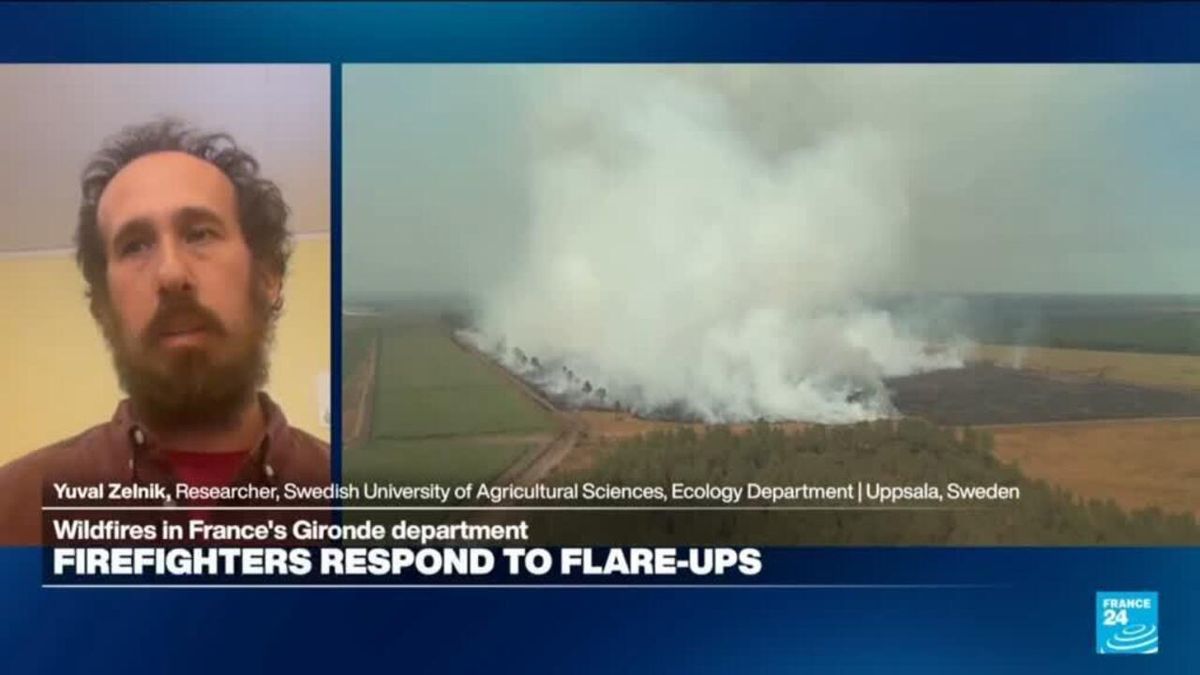
The recent wildfires in southwest France have left a trail of destruction, with French President Emmanuel Macron visiting the affected area and vowing to rebuild a 'different kind of forest'. This commitment is a significant step towards addressing the pressing issue of climate change and its impact on forestry.
The wildfires in France are a stark reminder of the devastating consequences of climate change. Rising temperatures, changing weather patterns, and increased frequency of extreme weather events are all contributing factors to the growing threat of wildfires. The impact of these events is not limited to the immediate area affected, but also has far-reaching consequences for the environment, human health, and the economy.
In the face of these challenges, there is a growing need for climate-resilient forestry practices. This approach involves adopting sustainable land-use practices, restoring degraded forests, and promoting ecosystem-based adaptation. By doing so, forests can be made more resilient to the impacts of climate change, and their ability to provide essential ecosystem services can be maintained.
French President Emmanuel Macron's vision for a 'different kind of forest' is a significant step towards achieving this goal. His commitment to rebuilding forests that are more resilient to climate change is a welcome development, and one that has the potential to make a meaningful impact on the environment.
The implications of Macron's vision extend beyond France's borders. The European Union has set ambitious targets for reducing greenhouse gas emissions and promoting sustainable land-use practices. France's commitment to climate-resilient forestry can serve as a model for other EU member states, and can help to drive a more coordinated approach to addressing the challenges of climate change.
The future consequences of Macron's vision will depend on the effectiveness of its implementation. If successful, it could lead to a significant reduction in the risk of wildfires, and a more resilient forest ecosystem. However, if the approach is not adequately funded or supported, it may not be enough to mitigate the impacts of climate change.
The recent wildfires in France have highlighted the need for climate-resilient forestry practices. French President Emmanuel Macron's vow to rebuild a 'different kind of forest' is a significant step towards addressing this challenge, and one that has the potential to make a meaningful impact on the environment. As the world continues to grapple with the consequences of climate change, Macron's vision serves as a reminder of the importance of adopting sustainable land-use practices and promoting ecosystem-based adaptation.
Source referenced: FRANCE24
This brief was synthesized by our Editorial Engine and reviewed by The Ground Narrative team.