TRENDING

Monday, 5 October 2026
----------------------
24 Rabi' Al-Thani 1448 AH
France has officially set April 18 and May 2, 2027, for its next presidential election, marking a pivotal moment as President Emmanuel Macron concludes his final term. The vote is widely anticipated to be a critical test for Marine Le Pen's far-right National Rally, with significant implications for France's domestic trajectory and its role within the European Union and global affairs.
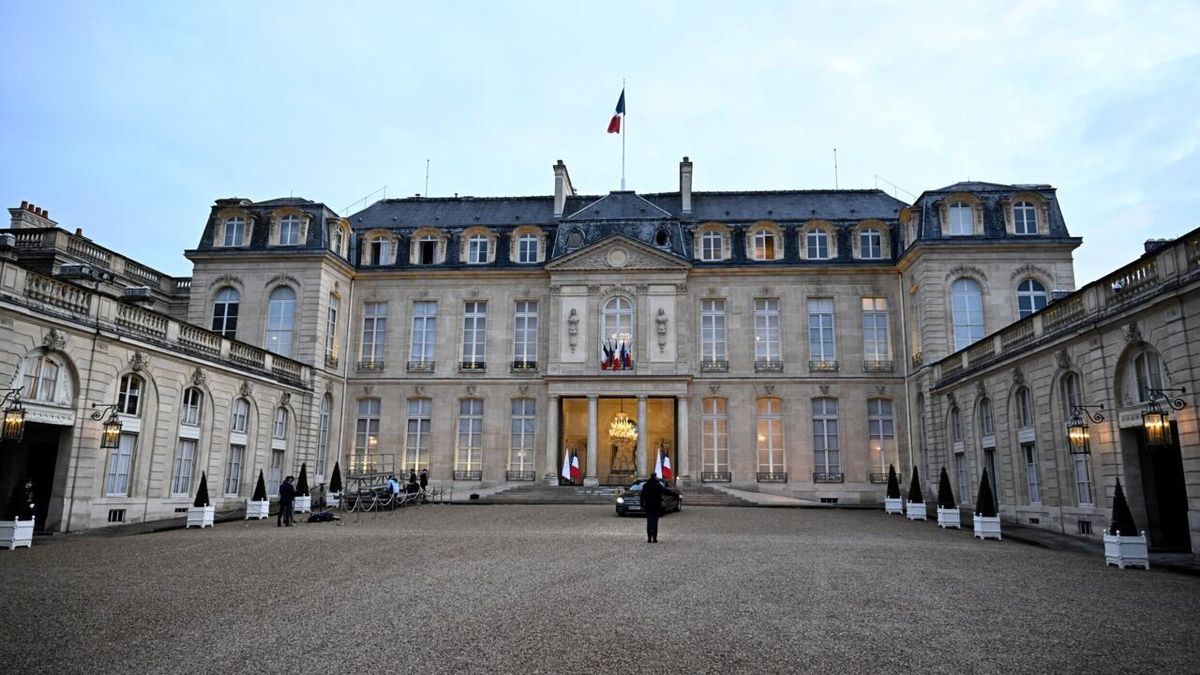
France has officially announced the dates for its next presidential election, with the first round scheduled for April 18, 2027, and a run-off, if necessary, on May 2, 2027. The announcement, confirmed by an executive source and set to be formalized by the Council of Ministers, signals the beginning of a crucial political cycle that will determine the future leadership of one of Europe's most influential nations. This election is poised to be a defining moment for France, Europe, and the broader international order, particularly as President Emmanuel Macron prepares to conclude his second and final term, leaving a significant political vacuum.
The upcoming election is widely viewed as the strongest opportunity yet for Marine Le Pen's far-right National Rally (RN) to ascend to power. Le Pen, who has twice reached the run-off against President Macron in previous elections, embodies a political movement characterized by anti-immigration policies and a Eurosceptic stance. Polls have consistently indicated the far-right's potential to lead in the first round of the 2027 vote, reflecting a broader trend of populist and nationalist sentiment gaining traction across Europe.
The strategic motivations behind the National Rally's persistent electoral efforts are clear: to fundamentally alter France's domestic and foreign policy orientation. A victory for the RN would not merely represent a change in leadership but a potential paradigm shift away from the centrist, pro-European policies that have largely defined France's direction under Macron. This shift could have profound implications for the nation's economic policies, social cohesion, and its intricate network of international alliances.
Why does this election matter on a global scale? France is a founding member of the European Union, a permanent member of the UN Security Council, a nuclear power, and a key player in NATO. Its leadership is integral to the stability and direction of the EU, particularly in tandem with Germany. A French presidency led by the National Rally could introduce significant instability into the European project. The party's Eurosceptic platform raises questions about France's commitment to deeper European integration, its role in EU foreign policy initiatives, and its participation in collective security efforts.
Such a development could weaken the Franco-German axis, which has historically been the engine of European unity and policy-making. It could also embolden other Eurosceptic movements across the continent, potentially leading to a more fragmented and less cohesive European Union at a time when it faces numerous external challenges, including geopolitical competition, economic pressures, and security threats.
Beyond Europe, a shift in French leadership could impact global diplomacy and security. France maintains significant influence in Africa, the Middle East, and the Indo-Pacific. A more nationalistic foreign policy, as advocated by the RN, could lead to a re-evaluation of existing alliances, a more protectionist trade stance, and a potentially less predictable approach to international crises. This would inevitably raise concerns among France's traditional allies, including the United States, and could alter the balance of power in various strategic regions.
Domestically, the election will unfold against a backdrop of complex social and economic challenges. The division within the French left and the perceived failures of mainstream parties have contributed to the far-right's growing appeal. Issues such as immigration, national identity, economic inequality, and the cost of living are expected to dominate the electoral discourse, providing fertile ground for the National Rally's populist messaging.
However, the path to power for the National Rally is not without obstacles. While Marine Le Pen hopes to run for president for a fourth time, her candidacy is currently subject to an appeals court decision on July 7 regarding an alleged fake jobs scam in the European Parliament. This legal challenge introduces an element of uncertainty into the far-right's electoral strategy, though the party's overall strength remains a significant factor regardless of the specific candidate. The constitution mandates that the vote must be held between 20 and 35 days before the end of Macron's current five-year term, ensuring a timely transition.
In conclusion, the setting of the 2027 French presidential election dates marks the beginning of a critical period for France and the international community. The potential for a far-right victory under Marine Le Pen presents a profound geopolitical litmus test, with the capacity to reshape not only France's internal direction but also the future trajectory of the European Union and global power dynamics.
Source referenced: FRANCE24
This brief was synthesized by our Editorial Engine and reviewed by The Ground Narrative team.


