TRENDING

Monday, 5 October 2026
----------------------
24 Rabi' Al-Thani 1448 AH
UEFA's boycott of FIFA competitions, including the World Cups, remains in effect despite FIFA's apology for its failed plan to sell stakes in the World Cup. The move highlights a deeper power struggle between European soccer's governing body and FIFA's leadership, with significant implications for the sport's future.
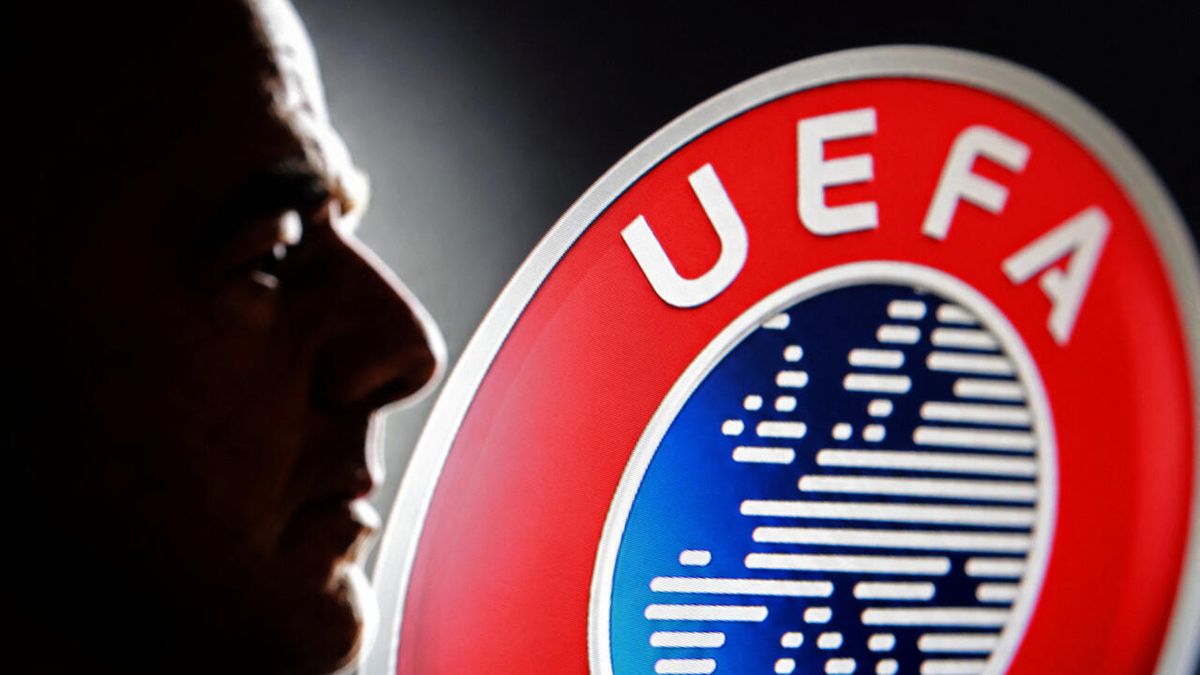
The Union of European Football Associations (UEFA) has announced that its boycott of FIFA competitions, including the World Cups, remains in effect. This decision comes after FIFA abandoned its plan to open up to outside investors and apologized for its failed proposal to sell stakes in the World Cup. Despite this, UEFA has reiterated its lack of confidence in FIFA president Gianni Infantino and stated that the conditions for withdrawing its boycott threat have not been met.
At the heart of this dispute is a struggle for control and influence within the world of international soccer. FIFA, under Infantino's leadership, has been seeking to expand its revenue streams and consolidate its power. The proposed sale of stakes in the World Cup was a key part of this strategy, but it was met with fierce resistance from UEFA, which saw the move as a threat to its own interests and the integrity of the sport. UEFA's boycott is a significant escalation of this conflict, and it reflects the deepening divisions between European soccer's governing body and FIFA's leadership.
The ongoing power struggle between UEFA and FIFA has significant implications for the fans, players, and communities that make up the world of soccer. The boycott of FIFA competitions could lead to a fragmentation of the sport, with different regions and leagues pursuing their own interests and agendas. This could result in a loss of cohesion and unity within the sport, and it could also have negative consequences for the many people who rely on soccer for their livelihoods. Furthermore, the controversy surrounding FIFA's leadership and governance has already led to a loss of trust and confidence among fans and stakeholders, which could have long-term consequences for the sport's reputation and popularity.
One aspect of this story that has received relatively little attention is the role of external investors and corporate interests in shaping the future of soccer. FIFA's proposed sale of stakes in the World Cup was seen as a way to attract new revenue streams and expand the sport's global reach. However, it also raised concerns about the potential for commercialization and exploitation of the sport, and the impact that this could have on its integrity and values. UEFA's opposition to the proposal was motivated in part by a desire to protect the sport from the influence of external investors and to preserve its autonomy and independence. As the power struggle between UEFA and FIFA continues, it is likely that the role of external investors and corporate interests will remain a key factor in shaping the future of the sport.
In the coming weeks and months, it will be important to watch for further developments in the conflict between UEFA and FIFA. UEFA's boycott of FIFA competitions could lead to a significant escalation of the dispute, and it may ultimately require the intervention of external authorities or mediators to resolve. Additionally, the role of external investors and corporate interests in shaping the future of soccer will continue to be a key factor in the sport's development, and it will be important to monitor their influence and impact. Ultimately, the outcome of this power struggle will have significant implications for the future of soccer, and it will be important for fans, players, and stakeholders to remain informed and engaged in the debate.
Editor's Note: The analysis is based on current events and may be subject to change as the situation develops.
Source referenced: FRANCE24
This brief was synthesized by our Editorial Engine and reviewed by The Ground Narrative team.


