TRENDING

Wednesday, 14 October 2026
----------------------
3 Jumada Al-Awwal 1448 AH
The Iran war's impact on global supply chains has exposed Europe's vulnerability to fertiliser shortages, sparking a debate on food security, economic sustainability, and environmental concerns.
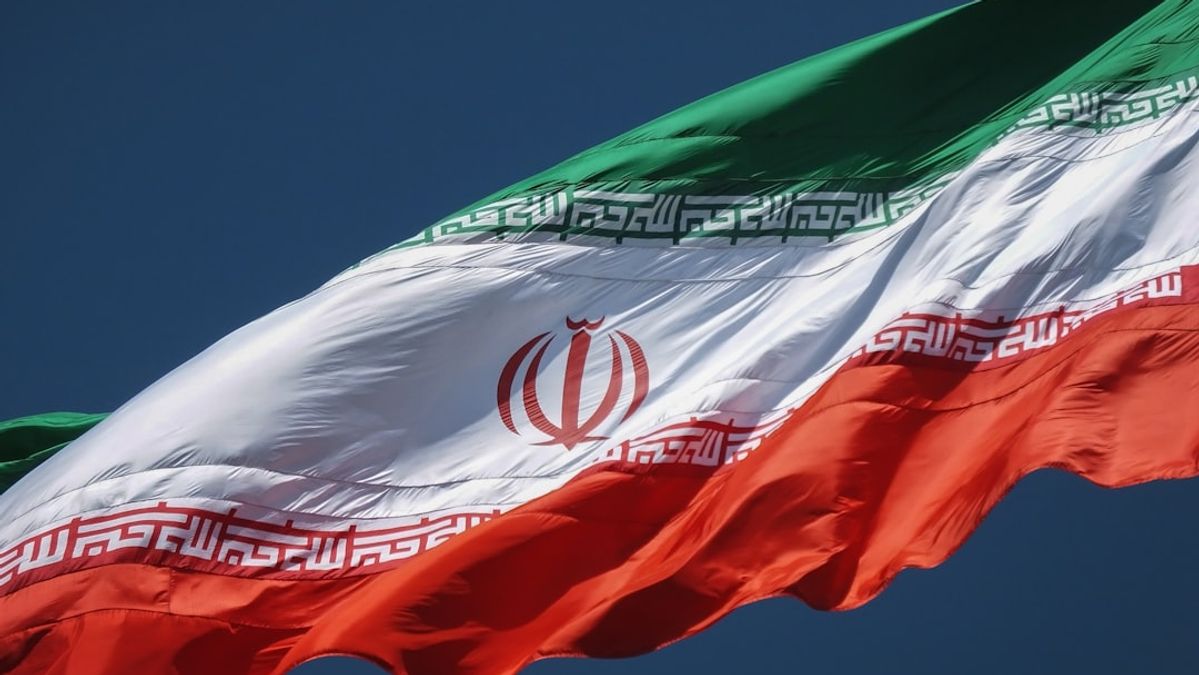
The ongoing war between the US and Iran has disrupted the Strait of Hormuz, a vital shipping route that carries approximately one-third of the world's seaborne fertiliser trade. This blockade has pushed up fuel and fertiliser costs, placing further pressure on farmers already struggling with high expenses.
Europe imports large volumes of fertiliser, with the EU importing two million tonnes of ammonia, 5.8 million tonnes of urea, and 6.7 million tonnes of nitrogen fertilisers and mixtures in 2024. While the EU produces its own nitrogen fertiliser, this depends heavily on imported gas. When conflicts in the Gulf region push up gas prices, it also makes fertiliser made inside Europe more expensive.
The European Commission has proposed a new Fertiliser Action Plan aimed at supporting farmers who face a significant rise in costs for fertilisers. The plan includes possible fertiliser stockpiles, emergency support for farmers, and measures to increase imports from countries other than Russia and Belarus. The EU is also looking at ways to support farmers who reduce their reliance on synthetic fertilisers, including through bio-based alternatives and more efficient fertiliser use.
The impact of fertiliser shortages is not evenly spread across Europe, with Ireland particularly vulnerable due to its heavy reliance on imports and lack of domestic production. Finland and Sweden, on the other hand, have maintained security-of-supply stockpiles that include fertiliser, grain, and fuel. These divisions highlight the need for a more nuanced approach to food security and economic sustainability.
Italy and France have pushed for relief from the bloc's Carbon Border Adjustment Mechanism, which adds costs to carbon-intensive imports. Environmental groups, however, have warned Brussels not to weaken nitrogen pollution rules, saying that doing so could increase pollution and health costs if excess nitrates enter water supplies.
EU officials are not expecting an immediate food price shock, but officials are concerned that higher fertiliser costs could create problems in supply chains later in the year. Fertiliser affects food prices with a delay, as gas becomes fertiliser, fertiliser then feeds crops, and crops eventually become food – so the effects are often felt up to six months after the initial disruption.
The Iran war's impact on global supply chains has exposed Europe's vulnerability to fertiliser shortages, sparking a debate on food security, economic sustainability, and environmental concerns. The EU's Fertiliser Action Plan is a response to this crisis, but its effectiveness will depend on the ability of member states to work together and address the underlying issues driving fertiliser shortages. As the situation continues to unfold, it is essential to consider the long-term implications of fertiliser shortages and the need for a more sustainable and resilient food system.
Editor's Note: The analysis is based on publicly available information and may not reflect the full complexity of the situation.
Source referenced: ALJAZEERA
This brief was synthesized by our Editorial Engine and reviewed by The Ground Narrative team.