TRENDING

Sunday, 25 October 2026
----------------------
14 Jumada Al-Awwal 1448 AH
Wildfires are ravaging southwestern Europe, forcing evacuations and straining resources. The unprecedented scale and ferocity of the blazes are a result of climate change, human error, and a complex interplay of factors.
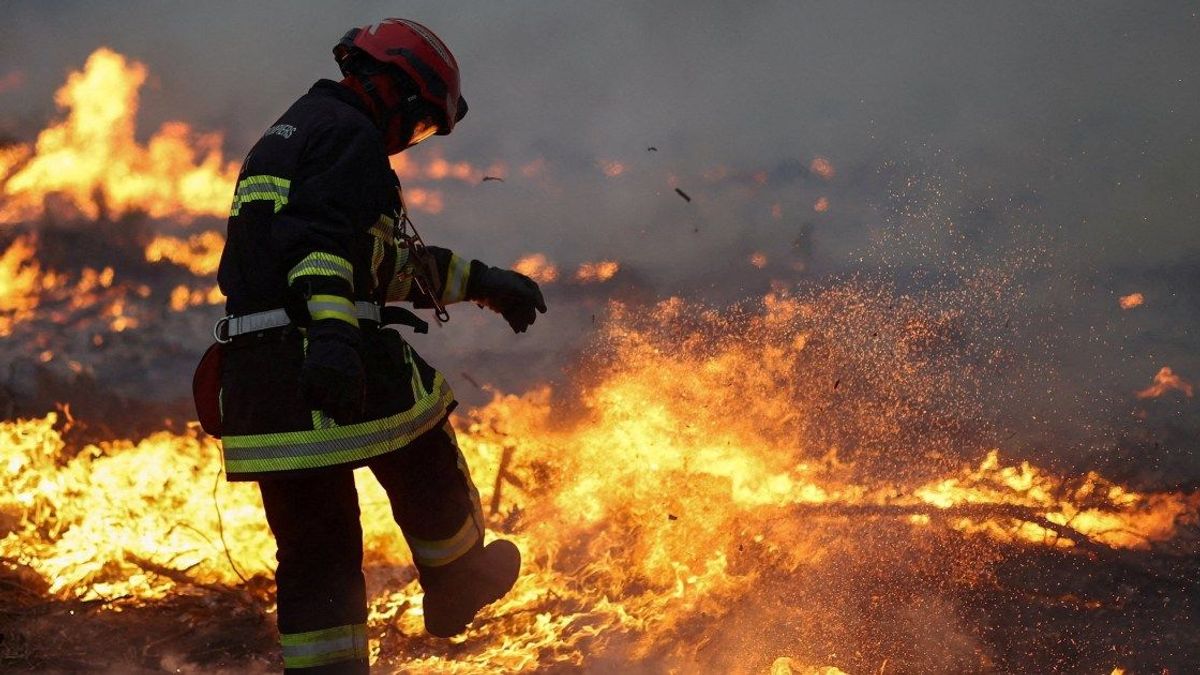
Wildfires are sweeping across southwestern Europe, leaving a trail of destruction and displacement in their wake. The unprecedented scale and ferocity of the blazes have forced the evacuation of over 325,000 people, with France and Spain being the worst-hit countries. The situation is dire, with authorities struggling to contain the fires and international assistance being sought.
The wildfires are a result of a perfect storm of climate change, human error, and a complex interplay of factors. Rising temperatures and drought have created an environment conducive to wildfires, while human activities such as land clearing, agriculture, and urbanization have increased the risk of fires. The heatwaves that have scorched Europe in recent weeks have further exacerbated the situation, creating conditions that are almost impossible for firefighters to control.
The wildfires are so bad because of the formation of pyrocumulonimbus clouds, which are thunder clouds created by intense heat from the Earth's surface. These clouds can make conditions almost impossible for firefighters, as they can produce lightning that ignites spot fires away from the source. The situation is further complicated by the fact that these clouds are unprecedented in southwest Europe, making it difficult for authorities to predict and prepare for the fires.
Authorities are struggling to contain the fires, with firefighters alone unable to fight the blaze. International assistance is being sought, with Greece and Italy sending firefighting aircraft to Spain, while Portugal has deployed military personnel and equipment. The European Union's civil protection mechanism is monitoring the situation and has been assisting. However, the situation remains dire, with authorities warning of a "war-like scenario" where they are under constant bombardment and must get everyone to safety.
The wildfires have been a common occurrence in Europe in recent years, but authorities have increasingly been struggling to contain them. The growing scale and intensity of the fires, fueled by extreme weather such as heatwaves, require policies grounded in climate science. The complex urban interface in some areas, lack of infrastructure, and lack of knowledge about how to deal with fires have also contributed to the difficulty in containing the blazes.
The wildfires in southwestern Europe are a stark reminder of the devastating consequences of climate change and human error. The situation is dire, with authorities struggling to contain the fires and international assistance being sought. The perfect storm of climate change, human error, and complex factors has created an environment that is almost impossible to control. It is imperative that policymakers and authorities take immediate action to address the root causes of the wildfires and develop effective strategies to prevent and contain them in the future.
The wildfires have significant regional implications, with the European Union's civil protection mechanism being activated to assist in the response. The situation is also having a significant impact on the tourism industry, with popular holiday destinations such as the Cap Ferret peninsula in France being affected. The economic implications of the wildfires are also significant, with estimates suggesting that the cost of the fires could run into billions of euros.
The wildfires in southwestern Europe have significant future consequences, with the risk of more frequent and intense fires increasing due to climate change. The situation is also having a significant impact on the environment, with the destruction of forests and wildlife habitats being a major concern. It is imperative that policymakers and authorities take immediate action to address the root causes of the wildfires and develop effective strategies to prevent and contain them in the future.
Editor's Note: The analysis provided is based on the current information available and may be updated as more information becomes available.
Source referenced: ALJAZEERA
This brief was synthesized by our Editorial Engine and reviewed by The Ground Narrative team.


