TRENDING

Saturday, 3 October 2026
----------------------
22 Rabi' Al-Thani 1448 AH
Europe endures its fifth major heatwave, with record ocean temperatures signaling a deeper climate crisis. This analysis dissects the power dynamics behind the warming continent and its human toll.
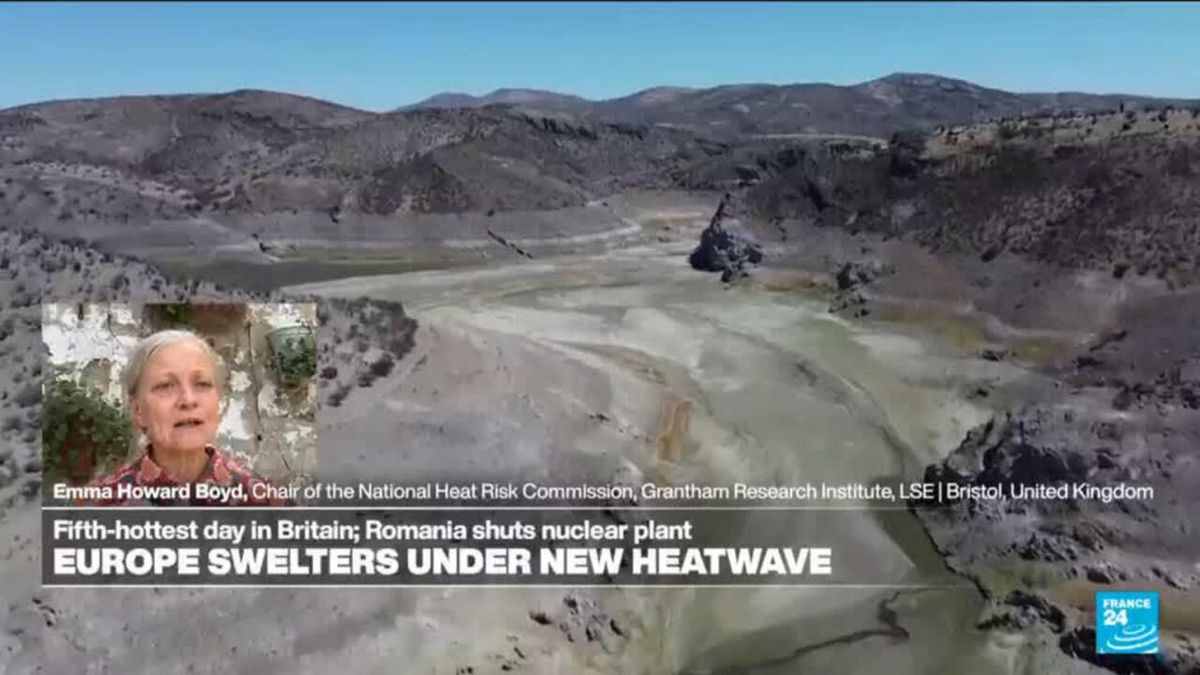
Europe is currently in the grip of its fifth significant heatwave of the summer season, with temperatures in parts of France soaring to a punishing 40 degrees Celsius. This extreme terrestrial heat coincides with alarming data from the world's oceans, where average global sea temperatures reached a record high of 21 degrees Celsius last month. These events are not isolated incidents but rather stark indicators of an accelerating global climate shift.
The relentless heatwaves sweeping across Europe are more than just weather phenomena; they are a direct consequence of global energy systems and economic structures. Governments across the continent, and indeed worldwide, face a profound dilemma: how to balance immediate economic stability, often underpinned by fossil fuel consumption, with the urgent, long-term imperative of climate resilience and decarbonization. The political calculus frequently favors short-term economic growth and energy security, making drastic, immediate climate action a difficult sell to electorates and powerful industrial lobbies.
Major energy corporations, with their vast investments in existing fossil fuel infrastructure, exert considerable influence, often advocating for slower transitions or technological fixes over fundamental systemic change. Internationally, climate negotiations frequently become mired in debates over historical responsibility for emissions and the financial burden of adaptation, slowing down effective global coordination. The real power here lies with those who control energy policy, direct investment flows, and shape the public narrative around climate action, often prioritizing established economic interests over the rapid transformation required to mitigate these escalating crises.
The immediate human cost of these heatwaves is tragically evident. Vulnerable populations, particularly the elderly, infants, and those with pre-existing health conditions, face significantly increased risks of heatstroke, dehydration, and mortality, placing immense strain on public healthcare systems. Outdoor workers, from agricultural laborers to construction crews, are forced to toil in increasingly dangerous conditions, impacting their health and productivity. Beyond immediate health crises, agricultural sectors are struggling with reduced crop yields and livestock stress, threatening food security and the livelihoods of farmers across the continent. Water scarcity intensifies, impacting both urban populations and critical ecosystems.
Economically, the burden falls disproportionately on lower-income households and nations, who often lack the resources for adequate cooling, resilient infrastructure, or recovery from climate-induced disasters. While the wealthy can often afford air conditioning, relocate, or access better healthcare, the marginalized are left to bear the brunt of an increasingly hostile environment. The 'summer of sweat' is not an abstract concept; it is a lived, often brutal, reality for millions who have little say in the policies that shape their world.
While official government statements and media reports often focus on immediate public health advisories, emergency response measures, and calls for individual responsibility (like staying hydrated), they frequently downplay or omit the deeper systemic failures. The slow pace of transitioning away from fossil fuels, the continued subsidization of carbon-intensive industries, and the inadequate investment in robust climate adaptation infrastructure are rarely highlighted with the urgency they demand.
There's a significant omission regarding the profound inequalities exacerbated by climate change: the stark contrast between those who can insulate themselves from the worst effects and those who cannot. Furthermore, the long-term destabilizing effects of climate change—such as increased migration pressures, resource conflicts, and broader geopolitical instability—are often framed as distant, theoretical threats rather than immediate, unfolding consequences of current policy inertia. The narrative often avoids confronting the uncomfortable truth that the current economic model, driven by powerful interests, is directly contributing to the planet's rapid warming.
As Europe continues to grapple with these escalating heat events, several critical areas warrant close attention. Observe how European governments attempt to reconcile immediate crisis management with their long-term climate commitments. Will the increasing frequency and intensity of these heatwaves translate into more aggressive decarbonization targets, substantial investment in climate-resilient infrastructure, and a genuine shift away from fossil fuel dependency? Or will the focus remain primarily on reactive, short-term measures, effectively kicking the can down the road?
Watch for shifts in public opinion and political pressure, particularly from communities directly affected by extreme weather, as their voices could force a more decisive policy pivot. Additionally, monitor the ripple effects on agricultural output, water resources, and energy demand, as these will directly influence food prices, economic stability, and potentially spark social unrest. The true test will be whether the political will to enact fundamental, systemic change can finally overcome the entrenched inertia of established economic interests and geopolitical rivalries.
Source referenced: FRANCE24
This brief was synthesized by our Editorial Engine and reviewed by The Ground Narrative team.