TRENDING

Monday, 5 October 2026
----------------------
24 Rabi' Al-Thani 1448 AH
The European Union's new Entry/Exit System (EES) is causing severe travel disruptions, leading to extensive queues and missed flights across the Schengen Area. Industry bodies warn of significant economic losses and damage to Europe's global tourism reputation ahead of the peak summer season.
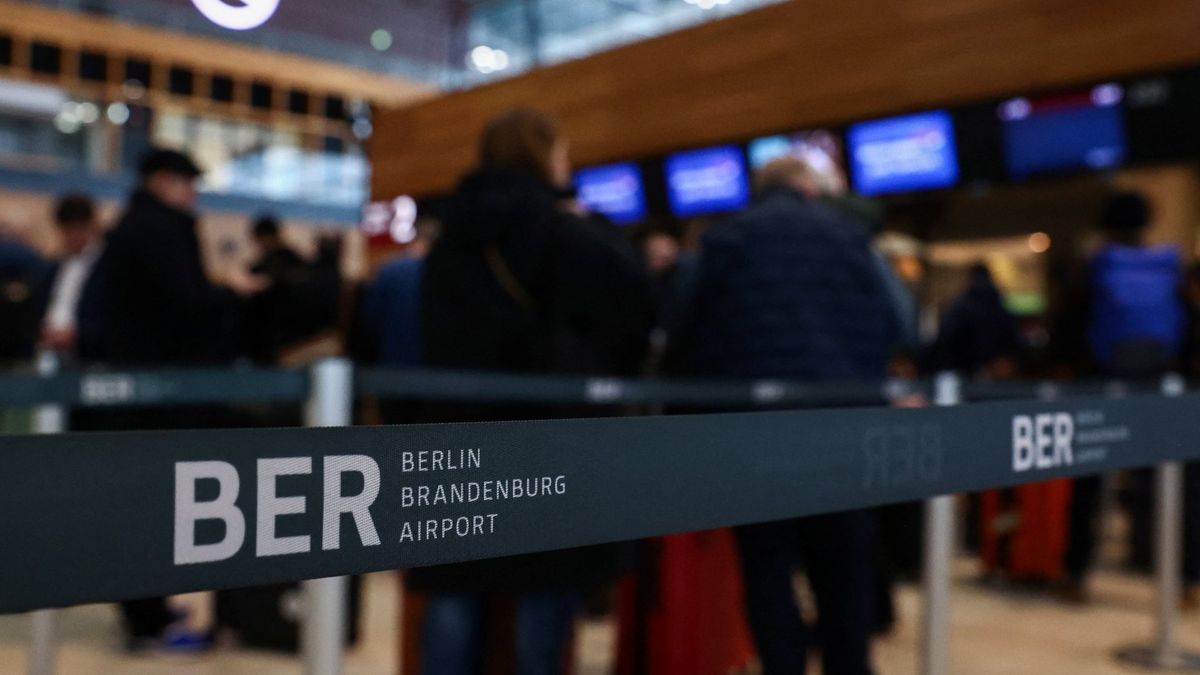
TheThe European Union's recently implemented Entry/Exit System (EES), a new digital border check mechanism, is precipitating widespread travel disruption across the Schengen Area. Industry representatives, including major European airport and airline associations, have issued urgent warnings, describing the situation as having reached a "critical point" ahead of the anticipated peak summer travel season. This operational challenge not only impacts millions of travelers but also poses significant economic and reputational risks to the EU.
The EES was introduced by the European Union with the primary objective of enhancing border security and modernizing the management of external borders. Rolled out in October 2025 and declared "fully operational" across the Schengen Area in April 2026, the system is designed to replace traditional passport stamping for non-EU citizens. Its core function is to digitally record each traveler's name, passport information, biometric data (fingerprints and facial images), and their precise dates and locations of entry and exit. This comprehensive data collection aims to provide a more robust and efficient means of tracking third-country nationals, identifying overstayers, and strengthening the overall security framework of the Schengen zone. The system represents a significant step in the EU's broader strategy to leverage digital solutions for border control, reflecting a global trend towards more sophisticated security measures.
Despite its strategic intent, the practical implementation of the EES has been plagued by severe operational issues. Reports from industry bodies, including Airports Council International Europe, Airlines for Europe, and the International Air Transport Association, detail instances of passengers enduring five-hour queues, leading to departure gates closing with planes only half-full. These disruptions are attributed to system instability, inadequate staffing levels at border facilities, and a general lack of operational capacity to handle the increased processing times required by the new digital checks. The consequences extend beyond mere inconvenience; flights have reportedly departed before many of their passengers could board, causing significant logistical and financial headaches for airlines and travelers alike.
The economic implications are particularly stark. The World Travel and Tourism Council (WTTC) has endorsed the industry's warnings, projecting that the delays could jeopardize up to 41 million arrivals and an estimated $45.4 billion in visitor spending. With European airports bracing to handle 40 million more passengers in July and August than in the preceding two months, the current challenges are expected to intensify dramatically. This potential loss of revenue threatens a vital sector of many EU economies, which rely heavily on tourism for employment and GDP contribution.
The EES crisis highlights a fundamental tension between enhanced security protocols and the imperative of facilitating international travel and economic activity. From a geopolitical perspective, the smooth functioning of the Schengen Area is a cornerstone of European integration and a symbol of its openness. Persistent operational failures at its external borders risk undermining the credibility and efficiency of this crucial free-travel zone. The EU's reputation as an "efficient, welcoming, and competitive" destination is now under scrutiny. Industry groups explicitly warn that international travelers are already reconsidering trips to Europe due to the prospect of excessive border delays. This erosion of confidence could have long-term diplomatic and economic repercussions, potentially diverting tourism and business investment to other global regions perceived as more accessible and hassle-free.
Furthermore, the situation could create internal pressures within the EU. Member states, particularly those heavily reliant on tourism, may face domestic calls to address the issue, potentially leading to friction with the European Commission over the implementation and flexibility of common EU policies. The ability of the EU to effectively manage a complex, bloc-wide digital transformation project, especially one with such direct public impact, is being tested.
In response to the escalating crisis, the aviation and tourism sectors have jointly appealed to European Commission President Ursula von der Leyen for immediate intervention. Their primary demand is for EU member states to be granted the flexibility to "completely suspend" the EES whenever passenger numbers exceed the operational capacity of border facilities, at least until the system's stability is ensured and adequate staffing is in place. This call for a temporary rollback underscores the severity of the current situation and the perceived inadequacy of existing solutions.
The path forward for the EU involves a delicate balancing act. It must uphold its commitment to enhanced border security while simultaneously safeguarding its vital tourism economy and preserving its international reputation. Failure to swiftly address the EES's operational shortcomings risks not only significant financial losses but also a broader questioning of the EU's capacity to implement complex digital initiatives effectively and harmoniously across its diverse member states. The coming weeks will be crucial in determining whether the EU can adapt its digital border strategy to ensure both security and seamless travel, thereby reaffirming its position as a leading global destination.
Source referenced: ALJAZEERA
This brief was synthesized by our Editorial Engine and reviewed by The Ground Narrative team.