TRENDING

Friday, 2 October 2026
----------------------
21 Rabi' Al-Thani 1448 AH
The European Union has imposed a €3 levy on low-value imports from China, citing unfair competition and safety concerns. The move is part of a broader effort to rebalance the trade relationship between the EU and China, which has been skewed in favor of Beijing.
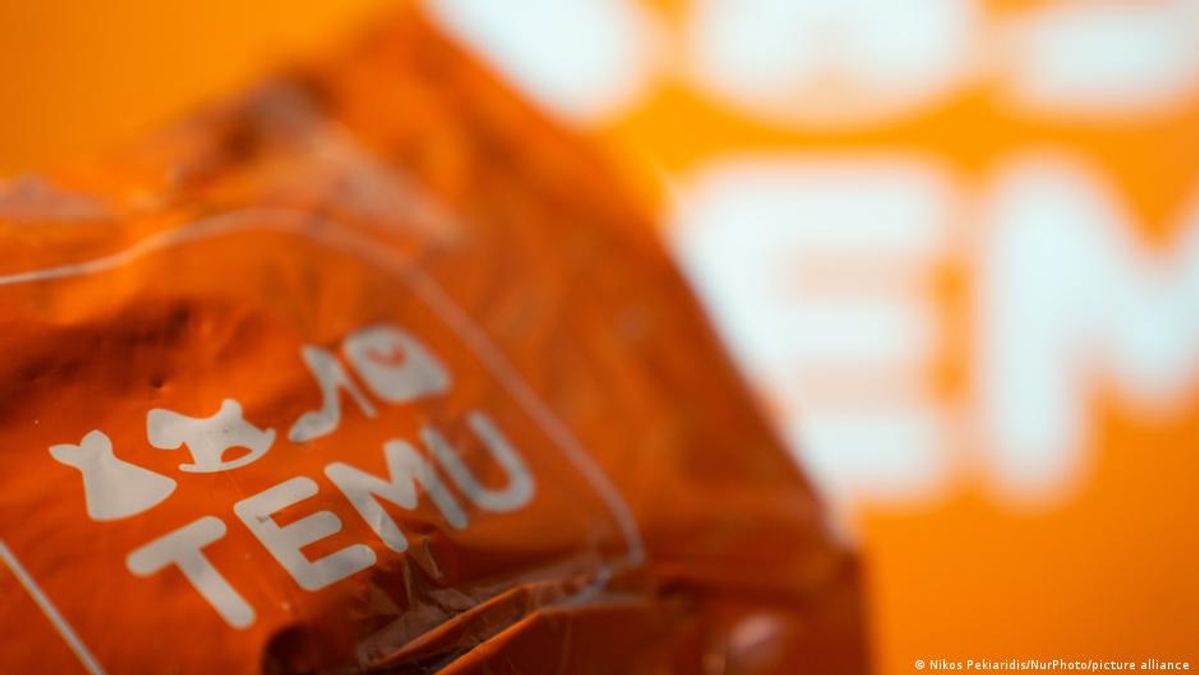
The European Union has taken a significant step in its efforts to rebalance the trade relationship with China by imposing a €3 levy on low-value imports from the country. This move is part of a broader effort to address concerns over unfair competition, safety standards, and the impact of Chinese e-commerce platforms on European retailers.
The EU's decision to impose tariffs on Chinese imports is a response to the growing trade deficit between the two economies. In 2025, the EU exported goods worth €199.6 billion to China, while importing goods worth €559.4 billion, resulting in a trade deficit of €359.8 billion. This trend is unsustainable, and the EU is seeking to address the imbalance through a combination of tariffs, regulations, and negotiations.
China has criticized several recent legislative initiatives by the EU Commission, arguing that they harm Chinese interests. The proposed Industrial Accelerator Act (IAA) is a case in point, as it aims to strengthen European industry and make "Made in EU" a key condition for receiving public funding. Under the current draft, Chinese companies would be excluded from public procurement projects in Europe, and foreign investors would be limited to a 49% ownership stake in strategic sectors such as solar power and electric vehicles (EVs).
China's response to the EU's trade measures has been cautious, with officials emphasizing the need for dialogue and negotiation to resolve disagreements. The two sides have agreed to establish a joint mechanism for monitoring trade flows, which will help restore balance in bilateral trade.
Despite their differences, the EU and China have made progress on the issue of rare earths. In response to US tariff measures, China introduced export controls on rare earth elements and permanent magnets. The EU has felt the consequences of these controls, as China is the world's largest producer of rare earth materials. However, Wang reportedly assured Brussels that existing export controls would not disrupt EU supply chains.
German Economy Minister Katharina Reiche emphasized that Germany is pursuing a pragmatic foreign trade policy, seeking to maintain strategic partnerships, reliable supply chains, and investment opportunities. Germany wants deeper cooperation with China while ensuring greater fairness and more balanced trade relations.
The EU's decision to impose tariffs on Chinese imports is a significant development in the ongoing trade tensions between the two economies. The move is likely to have far-reaching consequences, including increased costs for European consumers and retailers. However, it also sends a strong signal that the EU is committed to rebalancing the trade relationship and promoting fair competition.
The future of EU-China trade relations remains uncertain, with both sides seeking to address their differences through dialogue and negotiation. The joint mechanism for monitoring trade flows is a positive step, but it remains to be seen whether it will be effective in restoring balance in bilateral trade.
Editor's Note: The effectiveness of the joint mechanism for monitoring trade flows remains uncertain, and it is unclear whether it will be enough to address the underlying trade imbalance.
Source referenced: DW
This brief was synthesized by our Editorial Engine and reviewed by The Ground Narrative team.