TRENDING

Monday, 5 October 2026
----------------------
24 Rabi' Al-Thani 1448 AH
President Nayib Bukele is pursuing a third term in El Salvador's 2027 presidential election, following constitutional amendments by his allies that permit indefinite re-election and shortened his current mandate. This move consolidates power and sparks debate over democratic norms in Central America.
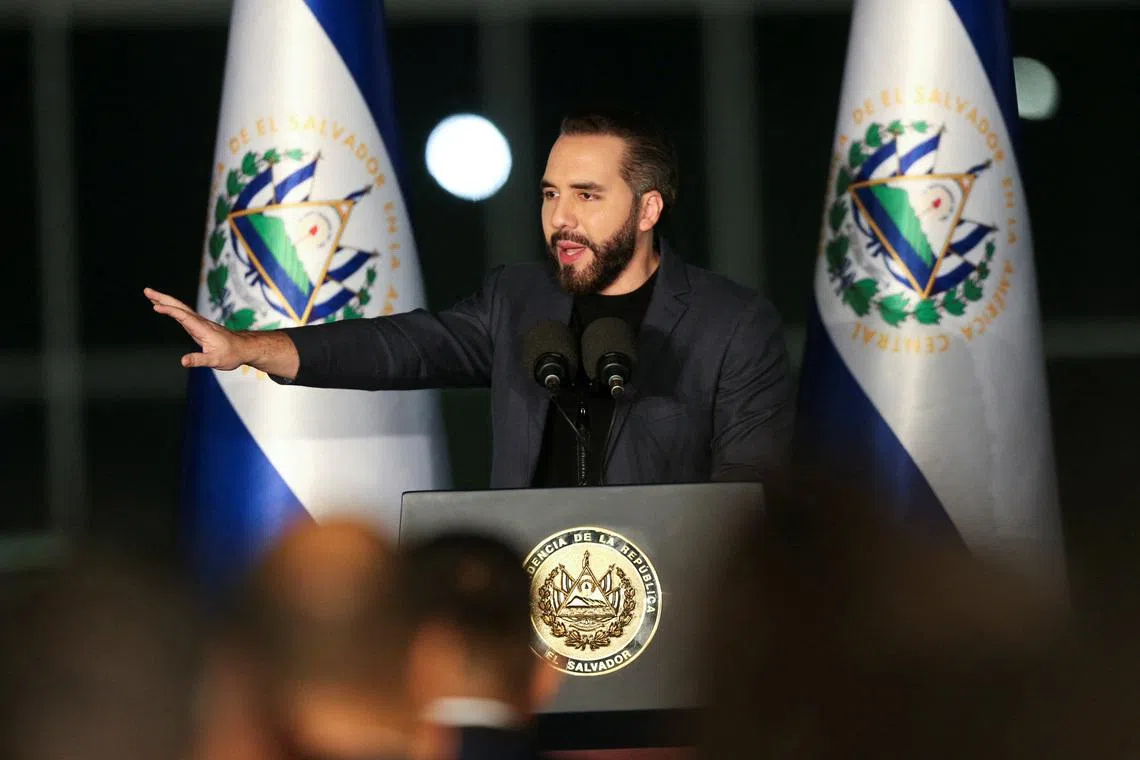
El Salvador's President Nayib Bukele has formally registered to seek his party's nomination for the 2027 presidential election, signaling his intent to secure a third consecutive term in office. This development, announced by Xavi Zablah, head of the ruling Nuevas Ideas party and a cousin of the president, on June 29, 2026, follows a series of legislative maneuvers that have fundamentally altered the country's constitutional framework regarding presidential term limits. Vice President Felix Ulloa has also registered to run alongside Bukele, with both expected to face no challengers in the party's July 12 primary.
Bukele, who initially assumed office in 2019 and is currently serving his second term, has openly expressed a desire to remain in power for an extended period, stating in December that he was open to staying for another decade. If successful in the February 2027 general election, Bukele, who turns 45 in July, would remain president until 2033, marking an unprecedented period of leadership in El Salvador's modern history.
The path for Bukele's re-election bid was cleared by his allies in the Legislative Assembly. In July 2025, lawmakers approved a constitutional amendment that not only shortened Bukele's current term, which began in 2024, but also controversially removed previous restrictions, allowing for indefinite presidential re-election. This legislative action effectively bypassed long-standing constitutional prohibitions against consecutive presidential terms, which were designed to prevent the concentration of power and safeguard democratic institutions.
These changes represent a significant consolidation of power within the executive branch and the ruling Nuevas Ideas party. By altering the fundamental rules governing presidential succession, the legislative body, dominated by Bukele's allies, has enabled a potential long-term presidency, raising substantial questions about the separation of powers and the future of democratic governance in El Salvador. Critics argue that such amendments undermine the rule of law and weaken institutional checks and balances, moving the country towards a more authoritarian model.
President Bukele's enduring popularity remains a critical factor in his ability to pursue and likely achieve a third term. His high approval ratings are largely attributed to a stringent state of emergency, implemented since 2022, which has been credited with a dramatic reduction in the country's historically high homicide rates. This security strategy, while popular domestically, has drawn criticism from international human rights organizations over concerns about due process, mass arrests, and potential abuses.
From a geopolitical perspective, El Salvador's trajectory under Bukele holds broader implications for Central America and international relations. The move towards indefinite re-election could set a precedent or inspire similar actions in other nations grappling with weak democratic institutions or strongman leaders. It also places El Salvador under increased scrutiny from international bodies and democratic governments, particularly the United States, which often emphasizes democratic governance and human rights in its foreign policy.
Concerns about democratic backsliding in El Salvador could lead to diplomatic tensions, re-evaluations of aid, or even targeted sanctions, depending on the severity of perceived democratic erosion. Conversely, Bukele's continued popularity and perceived success in tackling crime might complicate international responses, as his government could leverage domestic support to deflect external criticism. The long-term stability of El Salvador, both politically and economically, will hinge on how these constitutional changes are perceived and whether the country can maintain a balance between effective governance and adherence to democratic principles.
As El Salvador approaches its 2027 general election, the political landscape is set for a continuation of Bukele's leadership. The absence of significant internal party opposition and the legislative groundwork laid by his allies suggest a clear path to a third term. The implications of this extended mandate will likely include further consolidation of executive power, continued implementation of his controversial security policies, and a sustained debate over the health of El Salvador's democratic institutions. The international community will closely observe how El Salvador navigates this period, particularly regarding human rights, rule of law, and regional stability, as the nation potentially embarks on an unprecedented era of presidential longevity.


