TRENDING

Tuesday, 27 October 2026
----------------------
16 Jumada Al-Awwal 1448 AH
A powerful El Niño event is forecasted to bring devastating economic and climate shocks to the world, with governments and aid agencies on high alert for the potential impacts on global food systems, economies, and communities.
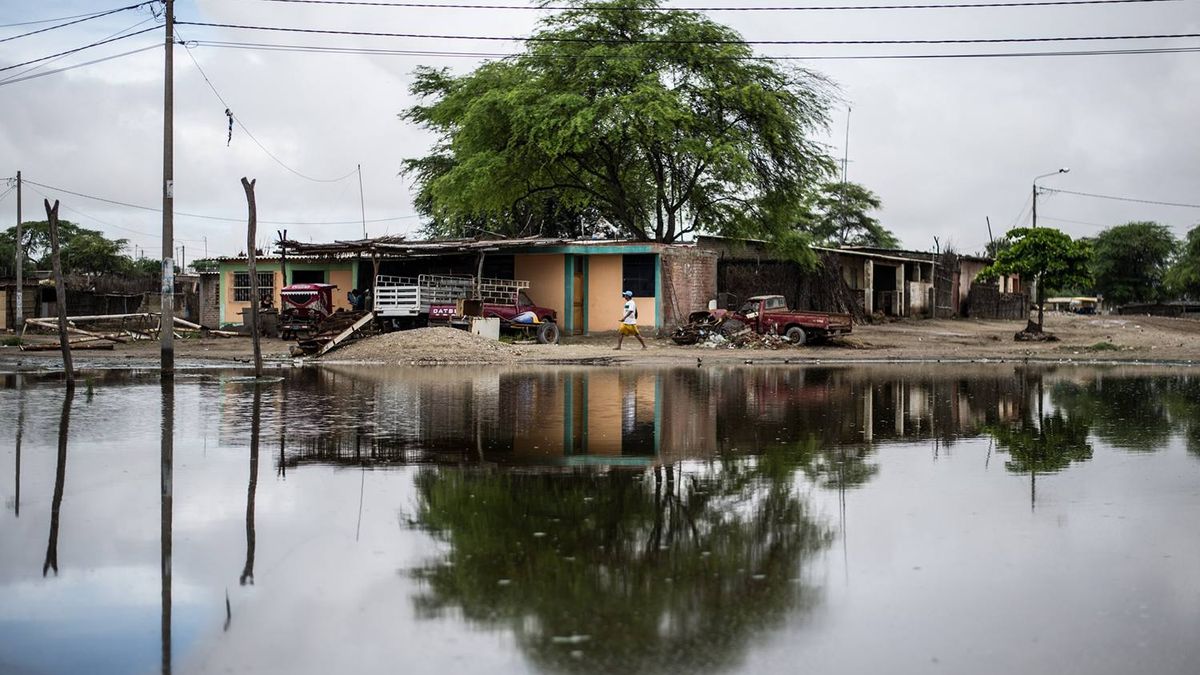
A powerful El Niño event is forecasted to bring devastating economic and climate shocks to the world, with governments and aid agencies on high alert for the potential impacts on global food systems, economies, and communities.
El Niño is a naturally occurring weather phenomenon characterized by abnormally warm Pacific waters that pump heat into the atmosphere, driving anomalous weather conditions and shifting global rainfall and temperatures. This surge in heat can fuel wetter conditions in some places and drier conditions in others, with potentially catastrophic consequences.
Prior El Niño events have cost the global economy tens of billions of dollars, with some estimates reaching trillions. This year's event is forecasted to be one of the strongest on record, with the potential to inflict a massive economic cost that disproportionately hits lower- and middle-income countries.
Emerging-market economies are particularly worried, with the African Development Bank's top climate official warning of a potential $10 billion to $20 billion toll across heavily impacted African countries. The sharpest pain will be felt at the regional level, with southern Africa, Central America, India, and Australia facing significant risks.
The agricultural sector is particularly vulnerable, with crop production impacts tending to offset each other globally. However, regional-level impacts can be devastating, with southern Africa facing some of the biggest risks. South Africa's maize sector suffered during the strong El Niño events of 1997-98 and 2015-16, with yields plunging by about 20 percent.
The timing of this El Niño, which is striking as governments are still grappling with the compounding economic fallout of the Trump administration's trade wars and the war in the Middle East, is hitting governments at a time of considerable strain. This convergence of shocks could cut their bandwidth to prepare for upcoming climate shocks.
Aid agencies are sounding the alarm, with the U.N. Food and Agriculture Organization and World Food Programme issuing a joint appeal for $202 million to help safeguard nearly 9 million people in high-risk countries from this event's potential impact.
The impact of El Niño has been enduring, with the 2015-16 event sparking more than $5 billion in humanitarian appeals across nearly two dozen countries, with more than 60 million people impacted. The event has left many communities struggling to recover since then.
A powerful El Niño event is forecasted to bring devastating economic and climate shocks to the world, with governments and aid agencies on high alert for the potential impacts on global food systems, economies, and communities. The convergence of shocks, including the compounding economic fallout of the Trump administration's trade wars and the war in the Middle East, is hitting governments at a time of considerable strain. It is essential for the international community and national-level policymakers to start acting now to mitigate the potential impacts of this event.
Editor's Note: While the exact impact of this El Niño event is uncertain, the potential consequences are significant, and it is essential for governments and aid agencies to take proactive measures to mitigate its effects.
Source referenced: FOREIGNPOLICY
This brief was synthesized by our Editorial Engine and reviewed by The Ground Narrative team.